Glorious Madagascar
You have to take the long view in conservation

Many stories in this magazine have been devoted to the wonders of Madagascar, a place unlike any other in the world. It’s where Asia meets Africa in the Indian Ocean. And it’s a place where evolution has taken place under the most unique of circumstances and created ecosystems and sustained species that are found nowhere else on Earth.
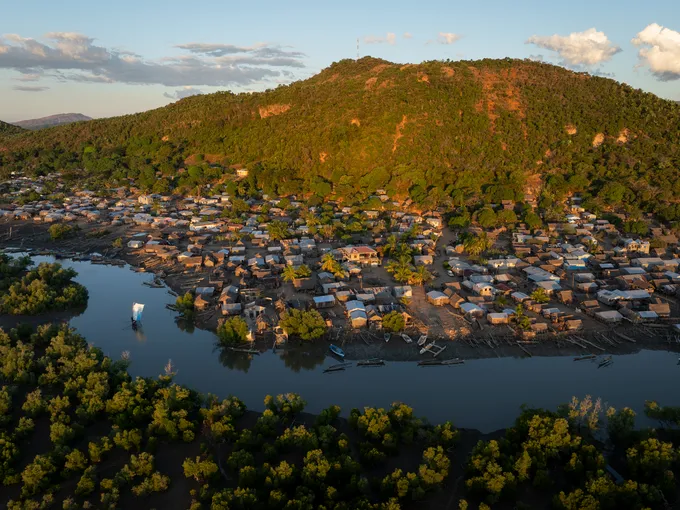
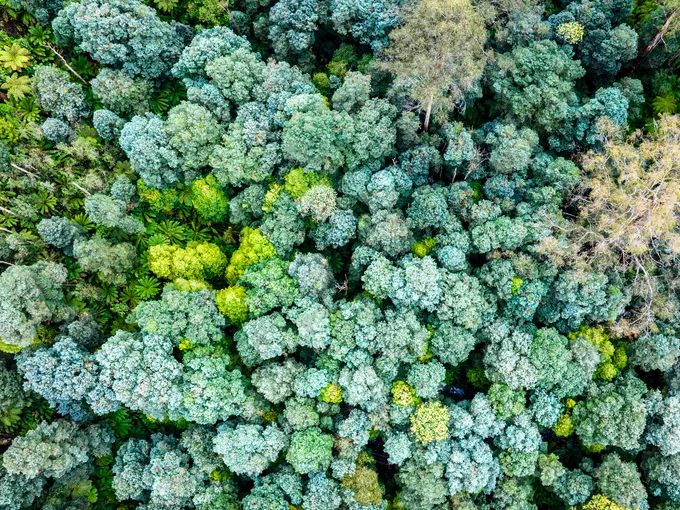
It all starts with geology, of course. Approximately 160 million years ago, Madagascar broke off from the African continent. This prolonged isolation gave rise to the most extraordinary features—rainforests and coral reefs and spiny deserts and baobab trees that boggle the mind—and to the evolution of unique, highly endemic species. Madagascar is a place with terraced rice paddies and traditional desert villages, tidal marshes, seagrass beds, mangrove forests, and more. It may not be a continent, but it feels like a continent unto itself.
The creatures found on Madagascar are wondrous.
Consider the leaf-tailed gecko, which has the ability to blend in with the bark of a tree. You can walk right up to it and not see it until it moves—as if the tree bark itself has come to life. Or sifaka lemurs (whose unique manner of hopping sideways on hind legs with arms out for balance earned them the nickname “the dancing lemur”), ring-tailed lemurs, and the many other types of lemurs found only on Madagascar.
And of course, the birds. Like the strange and wondrous helmet vanga with its bright blue, black-tipped, hooked bill and blue-black plumage banded with a deep orangey hue. Or the long-tailed ground roller that runs through the spiny forest like the roadrunner of the American West.
The first WWF Annual Conference I attended when I started this job 22 years ago was in Madagascar. It was where I got to learn about the extreme forces destroying Madagascar and the important role of the government in leading efforts to conserve as much of the island as possible, all while working with communities to design and build solutions that will last. Nanie Ratsifandrihamanana, WWF’s Madagascar country director, has been with us for 20 years. Her expertise, determination, and quick wits have helped lead our work there to new heights of success.
It has been too long—20 years—since I’ve been to Madagascar. I hope to go back sometime soon—to witness firsthand how much our program has grown, to see the breakthroughs it has made possible, and to understand what needs to be done next.
Just as you cannot understand a place without taking the long view of the conditions that led it to be what it is, you also have to take the long view in conservation—to build solutions that span governments, to build programs that last through generations, and to continue to evolve to meet the growing needs of the place.
The glories of Madagascar truly cannot be overstated. So be prepared when you open these pages for pictures of gorgeous landscapes and the most glittering array of creatures, and to learn more about why when it comes to Madagascar, WWF is playing the long game.
Carter Roberts
President & CEO, WWF-US
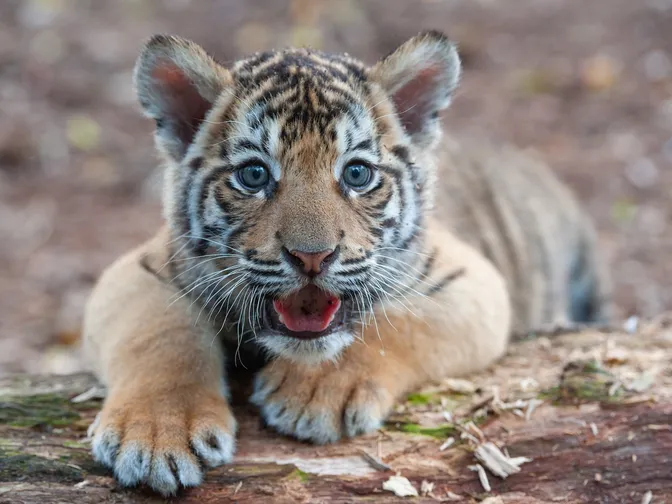
© Shutterstock/pmvtisl
Explore more
Keep reading this issue of World Wildlife magazine