How helping gorillas helps forests

© naturepl.com / Andy Rouse / WWF
EAST AFRICA
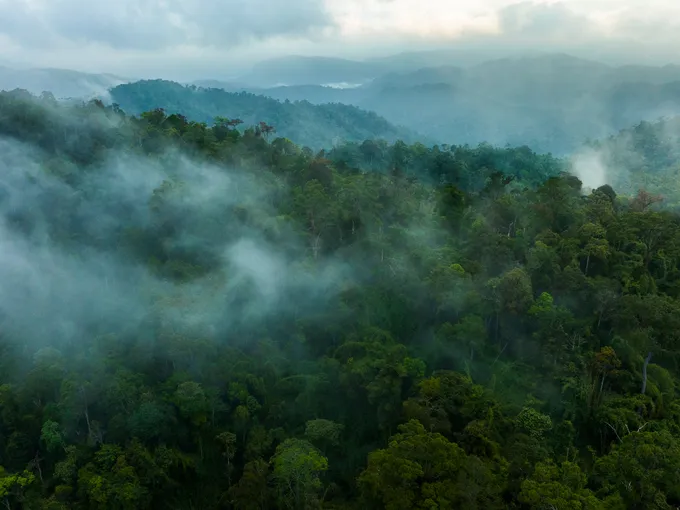
The silverback mountain gorilla is a 400-plus-pound mass of muscles built through a daily diet of about 40 pounds of leaves, stems, shoots, and fruit. Both species of gorillas—the western and eastern—play an essential role in maintaining biodiversity in their forest homes; they disperse seeds and create small clearings in the foliage as they forage, allowing a wider array of plant species to find sunlight and thrive.
But gorillas are under threat from habitat destruction, poaching, and disease. For more than 50 years, WWF has worked to protect these powerful primates—with whom we share 98% of our DNA—by strengthening protected areas and rallying local and international support for gorilla conservation.
“When we protect gorillas and their habitat, we also safeguard myriad other species,” says Allard Blom, vice president for WWF’s African Forests program. “These ecosystems help provide people and communities with food, water, medicine, and other forest products. Defending gorillas in the Congo rain forest, the second largest in the world, is important not only to protect biodiversity but also to stabilize climate and rainfall patterns that have impacts as far away as the US.”
© Vibe Images/Shutterstock
Explore more
Keep reading this issue of World Wildlife magazine