
Banking on solutions
Tackling environmental crime through financial intelligence
By
-
John Dodsworth, WWF-UK

© Chris J Ratcliffe / WWF-UK
Forests illegally cleared for profit. Gold extracted from protected landscapes. Endangered wildlife trafficked across borders. Environmental crime damages ecosystems, threatens communities, and generates enormous revenues for those responsible. Estimates cited by the Financial Action Task Force (FATF) put these criminal gains at US$110–281 billion each year. These activities also intersect with bribery, fraud, drug trafficking and forced labor, connecting the destruction of nature with wider criminal networks. Transactions that facilitate these crimes bring illicit activities into contact with the legitimate financial system. The financial incentives are substantial: a 2016 UNEP–INTERPOL assessment estimated that environmental crime had been growing by 5–7% annually, around two to three times the rate of global economic growth.
Financial institutions have an important role in identifying these connections. Yet, recognising when an ordinary-looking business relationship or payment may be linked to environmental crime requires knowledge that financial information alone often does not provide.
To help address this challenge, WWF-UK and financial crime specialist, Themis, developed the Environmental Crimes Financial Toolkit, with philanthropic support from HSBC This open-access platform enables financial institutions to recognize, assess, and mitigate environmental crime risks across their business.
“Fighting environmental crime is a dynamic challenge that no organization can solve by itself. Proactive collaboration between the private sector, government agencies, and non-profit organizations plays a fundamental role in helping prevent and combat environmental crime.”
- Nick Schumann, US Head of Financial Crime Strategy & Framework, HSBC USA
Looking beyond the transaction
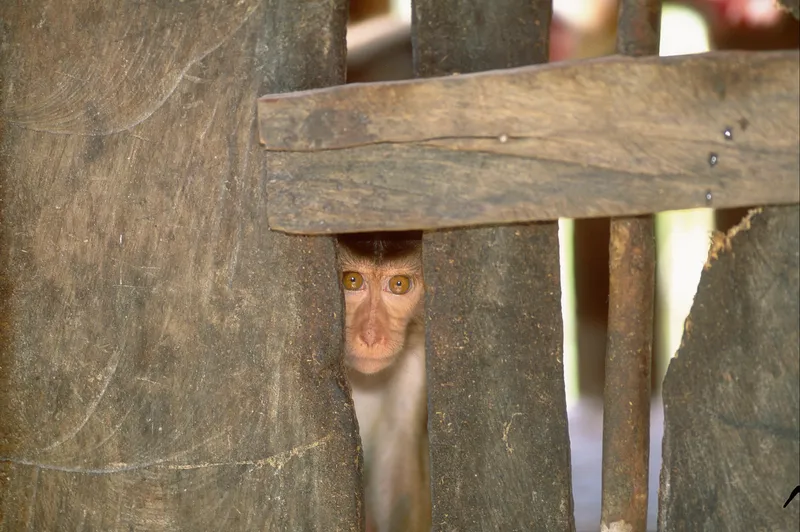
© Edward Parker / WWF
The connections between environmental destruction and the activities in a bank account are not always obvious. Illegally-sourced commodities can enter legitimate supply chains, passing through traders, processors, and exporters before reaching buyers. Along the way, criminals may use front companies, false documentation, and complex ownership structures to conceal the origins of goods and the people receiving the profits. FATF has highlighted how prevalent the mixing of legal and illegal goods with payments can help these activities escape detection.
For financial institutions, this means exposure can extend beyond a customer directly involved in illegal extraction or trade; it may arise through financing businesses further along a supply chain or processing payments connected to their activities. A transaction may appear commercially plausible, while the underlying commodity has been obtained illegally.
Turning knowledge into practical action

© Themis / WWF
The Toolkit brings together information on country and commodity risks, case studies typologies, and Red Flags to help financial institutions ask more informed questions. It supports screening when onboarding customers, reviewing existing relationships, and assessing exposure across sectors. Its resources help users explore how environmental harm can connect with financial crime, including in supply chains for timber, palm oil, cattle, and minerals.
- For a relationship manager, this could mean preparing more targeted questions about a customer’s sourcing practices.
- For a financial crime analyst, it could provide context for investigating unusual activity.
- For a risk team, it could help identify where existing assessments need closer attention.
A Red Flag is a starting point for investigation, rather than proof of wrongdoing. The practical value lies in helping staff recognize concerns, seek relevant information and make proportionate, better-informed decisions.
The research underpinning the Toolkit has also expanded, with dedicated reports examining illegal wildlife trade and illegal mining. These explore the connections between environmental and financial crimes, helping institutions understand risks that can otherwise remain unfamiliar.
Bringing expertise together
Addressing these risks requires different parts of a financial institution to work together. Sustainability specialists may understand the environmental pressures affecting a commodity or region. Relationship managers bring knowledge of the customer’s business. Financial crime teams have experience investigating suspicious transactions, ownership structures, and sources of funds.
The Environmental Crimes Financial Toolkit can provide a shared starting point for these conversations. Used within staff training, customer reviews, and risk assessments, it can help translate environmental knowledge into questions and decisions relevant to financial crime prevention.
This work also supports the wider international effort to tackle illicit finance. Environmental crime is already recognised within the FATF framework, which provides tools for pursuing the money generated by these offences. Building institutions’ understanding of environmental crime can help them apply those tools more effectively.

© Robert Patterson / WWF
Making environmental crime harder to finance
Protecting nature requires action wherever environmental crime is enabled, including within financial systems. Financial institutions can contribute by recognising suspicious activity, investigating concerns and acting on what they find.
Through the Environmental Crimes Financial Toolkit, WWF and Themis are helping make these connections more visible. The ambition is practical: better-informed financial decisions that make it harder for criminals to profit from the destruction of the natural world.
© ANDY ROUSE/NATUREPL.COM
Related content

© Souvik Kundu / WWF
Spotlight | How a hub for creativity is also a hub for conservation
Discover how Pinterest and WWF work together to stop illegal wildlife trade and inspire climate action through sustainable content and innovation.
© NACSO/WWF in Namibia
Where AI, content policy, and elephants merge: How Meta and WWF are working together to protect the herd

© naturepl.com / Jak Wonderley / Wild Wonders of China / WWF