Celebrating Dzanga-Sangha Day
A conversation with Luis Arranz, former director of the Dzanga-Sangha Protected Areas Complex
By
-
Antoinette Hovor

© Nuria Ortega
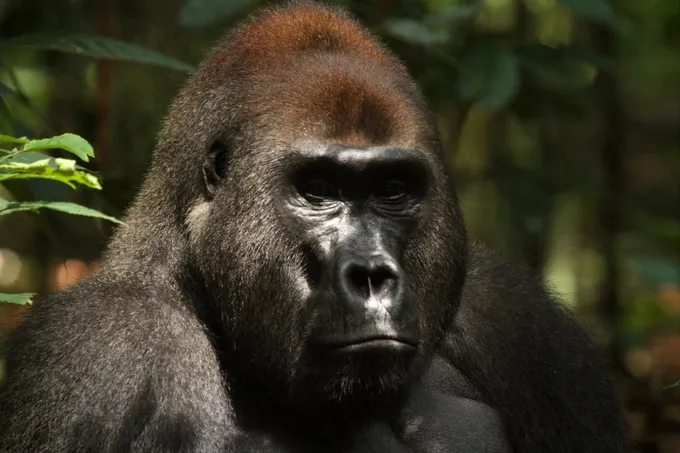
The vast tropical forests of the Dzanga-Sangha Protected Areas (DSPA) complex in the Central African Republic (CAR) provide one of the last remaining wildlife refuges for species such as the forest elephant and western lowland gorilla. WWF was instrumental in DSPA’s creation and has comanaged the complex in a unique partnership with the government of the CAR since 1990, collaborating closely with local communities and Indigenous Peoples.
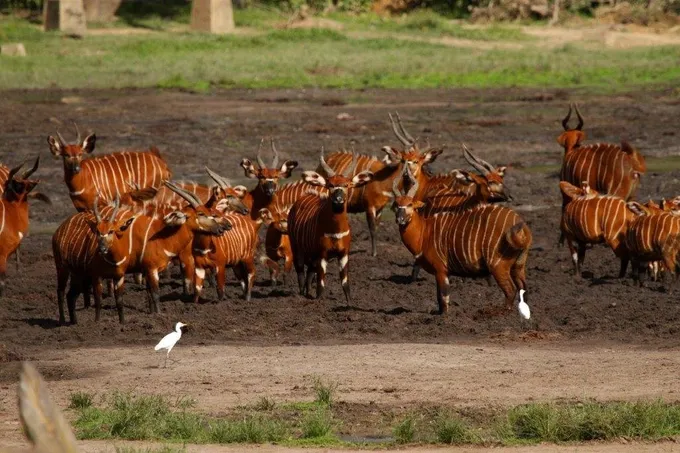
Driving conservation here is the ethos that nature and people can thrive together. This includes fostering sustainable tourism, where visitors can see habituated western lowland gorillas and observe bais (natural forest clearings), where many animals, including elephants and large flocks of birds, enjoy the rich mud and vegetation.
From 2017 to 2024, Luis Arranz served as the director of the complex, contributing to vast changes in the park’s management. He has since been serving as a key adviser for the program. In celebration of Dzanga-Sangha Day, we sat down with him to discuss memorable moments from his career and what he hopes for the future of this vital landscape.
You have had an extensive career in conservation. Can you talk about what led you to work at the Dzanga-Sangha Protected Areas complex?
In Equatorial Guinea, I helped create a network of protected areas—and I got to see elephants about 10 to 20 times. When I was looking for a new place to work, a former coworker at WWF reached out to me about Dzanga-Sangha. I had heard about how Dzanga-Sangha was a special place, where you could see elephants every day. After meeting with several people there, that drove me to start working there in January 2017.
How has Dzanga-Sangha changed in the many years you’ve worked there?
A lot has changed. When I arrived in 2017, the budget at the time was only enough to pay for a few rangers and get a couple of cars. This severely limited our services. There was no longer a community conservation program, no doctor, no health care, no education.
The Dzanga-Sangha team began with creating law enforcement because it was the most important. Then, we started to research what else we needed. We achieved a number of things, including a contract with Cornell University to study elephants, a mobile health clinic program for the Indigenous BaAka villages, and teachers to help with education.
We also worked hard to improve tourism, which some told us was impossible. The community benefits because all the tourists who travel there need BaAka guides to enter the forest. The tourism also helps us protect the elephants and gorillas. In a couple of years, we were able to receive about $1 million from the tourists alone.
© Nuria Ortega
© Nuria Ortega
What is your favorite part of working in Dzanga-Sangha?
Getting to work closely with the BaAka community. The BaAka people in Dzanga-Sangha know the forest the best—they know absolutely everything.
When people speak about conservation, about law enforcement, about community, nothing is possible if we do not work with the local people. The BaAka have lived in the forest for generations.
While hunting is not allowed in the national park, we provide education, health care programs, and sustainable livelihoods to support the community. The BaAka people can also hunt in areas surrounding the park, and people in the villages will let us know if illegal hunting—like someone trying to hunt an elephant—is taking place. We are working together, and that is important.
What qualities do you think make an effective conservation leader, and what advice would you give to someone just starting their career in conservation?
A good leader should spend time in the field, knowing the people and knowing and inviting donors to see the landscape to learn why it’s so important.
While you’re gaining experience, you are going to make mistakes. But the best way to learn is to stay in the field. You must know this work is hard, but it is necessary.
What hopes do you have for the future of Dzanga-Sangha?
The future of Dzanga-Sangha is wonderful. But we must show everyone how important it is to save Dzanga-Sangha.
What are you most looking forward to once you start retirement in a few years?
I left Spain years ago, so I will be there to spend time with my friends and my daughter. But, after being in Africa for 45 years, it’s become so important to me. If somebody asks me to help in Dzanga-Sangha, I will be ready.
To learn more about WWF’s work in Dzanga-Sangha, visit our Congo Basin page and read this WWF Magazine article.

© Nuria Ortega
How you can help
© WWF-US/Clay Bolt
Support Tribes restore buffalo to the Great Plains
The Indian Buffalo Management Act would strengthen support for Tribal Nations who are working to bring buffalo back from the brink of extinction.