Community-led science is delivering new insights into Arctic wildlife health
By

© WWF-US / Emma Barnes
Just one year into WWF’s Arctic Community Wildlife Grants Program, exciting results are already emerging—driven by local leadership, Indigenous knowledge, and a shared commitment to Arctic wildlife.
In 2025, two community-led projects received grants, including a project that expands our understanding of Pacific walrus by building on the Walrus Harvest Monitoring Program, a longstanding partnership between the U.S. Fish and Wildlife Service and the Eskimo Walrus Commission.
On St. Lawrence Island, the communities of Gambell and Savoonga have sustainably hunted walrus for thousands of years. Walrus are central to food security, community well-being, and culture, and local knowledge of their behavior, health, and movements is both extensive and precise. That knowledge now sits at the heart of new scientific research.

© WWF-US / Emma Barnes
Through this grant, communities and scientists are working together to better understand how climate-driven sea ice change is affecting Pacific walrus and the food webs they depend on. Funds support new analyses of walrus skin and muscle samples, allowing researchers to look for biomarkers that reveal how changing ice conditions influence what walrus eat and where they feed.
Pacific walrus depend heavily on sea ice as a platform for resting between dives, accessing offshore feeding areas, and providing safe space for females and calves. As sea ice thins and retreats, walrus are increasingly forced to travel longer distances or gather at overcrowded coastal haulouts—changes that can affect their health, behavior, and survival.
Indigenous subsistence hunters are essential partners in this work. Their close, lived experience with walrus and sea ice conditions shapes how data are collected and interpreted. Workshops held in Gambell and Savoonga trained dozens of Indigenous walrus hunters to collect biological samples and document habitat conditions, ensuring the research is both scientifically rigorous and culturally grounded.

© Kevin Schafer / WWF
Despite a challenging 2025 hunting season marked by poor ice and rough weather, local captains and Walrus Harvest Monitoring Program participants successfully collected 265 samples. Scientists are now analyzing this material to inform future conservation and management decisions.
Together, these efforts lay the groundwork for long-term, community-led monitoring while strengthening partnerships that support the resilience of Arctic wildlife and the people who depend on it. By combining Traditional Knowledge with western science, the Arctic Community Wildlife Grants Program helps ensure that conservation solutions reflect both the realities of a changing Arctic and the voices of those who know it best.
How you can help
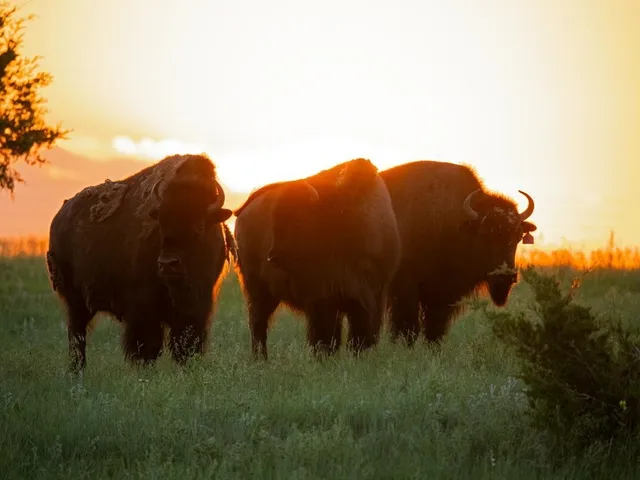
© WWF-US/Clay Bolt
Support Tribes restore buffalo to the Great Plains
The Indian Buffalo Management Act would strengthen support for Tribal Nations who are working to bring buffalo back from the brink of extinction.