Nature and accessibility
We all need nature—both access and accessibility
By
-
Sam-Mayes Mathews

© Jacqueline Lisboa / WWF - Brazil
What does access to nature mean to you?
For most of my life, all I had to do to be in nature was step out the door of my family’s home. I didn’t even have to drive to find a place to hike: Just slip on my shoes and go. In college, I had the campus green and a few favorite trails up on the mountain, along with volunteer work cleaning parks and visits to friends whose families had lake houses. Then, suddenly, I had something else—chronic health conditions that made that sort of engagement with nature difficult, if not outright impossible. Suddenly access wasn’t enough. I needed accessibility.
For those of us that live in cities where green spaces aren’t prioritized, access to nature can already be challenging: Is there a bus route nearby? Is the space safe and clean? How far away is it, and does it cost to enter? Barriers like this contribute to why ‘nature’ feels more and more like it only exists in photos of beautiful, remote rainforests and videos of tumbling baby animals in the wild.
For disabled individuals like me there’s even more to consider: How many stairs are there in the buildings and paths, and are there ramps or places to rest? How far away is parking, and are the paths well maintained or wide enough for mobility aids? Of course it doesn't stop there. There are invisible illnesses and disabilities that mean you need sunshade, access to water, or even require air of a certain quality to make physical activity safe.

© Sam-Mayes Mathews
Why accessibility to nature matters
It’s easy for people who don’t experience these barriers (like young me, who walked deer paths daily growing up) to assume “Well, everyone can’t do everything. It’s just not made for them.” But nature is for everyone, and humans have been making it accessible for as long as we’ve been around. Think about it—We domesticated plants as crops and cooked foods to make them accessible to our digestive systems. What are those if not an adaptation to a need? National parks, public beaches, and hiking trails were all established to give us entry while protecting these spaces. Yes — Everyone should have access to nature, and that access should be accessible.
Additionally, research that shows nature is key to maintaining the health of everyone, and especially for those with chronic conditions.1 There’s also evidence that forests, in addition to removing pollutants from the air, are deeply interrelated with reducing the risk of communicable and non-communicable diseases and can positively affect human stress hormones like cortisol and adrenaline. Managing and reducing stress, getting enough vitamin C and E, engaging with your community, and gentle exercise are key components to the management of many chronic conditions.
© Clay Bolt / WWF
Give an Hour
Do something good for nature this Earth Month and help us give 150,000 hours to honor our beautiful planet
How you can help
© Clay Bolt / WWF-US
Nature needs us now
If nature is this important for our health, then we also need to ask “What does access to conservation mean to you?” Yes, everyone deserves access and accessibility to enjoy nature, and that presents complex challenges, but nature also needs us now more than ever. How can each of us do our part to protect it? Just like access to being in nature, everyone deserves the chance to contribute to saving it.
Give an hour for Earth this month
World Wildlife Fund’s Give an Hour project is a unique and very accessible way to contribute. Yes, giving an hour to the Hour Bank can involve a hike or picking up trash in a local park, but it can also look like educating yourself on what might affect local species in your area or listening to a podcast about modern conservation efforts. Most of us carry a pretty powerful camera in our pockets these days, so snap a picture of any local wildlife and see what you can learn about them. Take a moment to research the green spaces in your area or check on your local watershed. Craft an email to your local government or call a friend to tell them an interesting nature fact.
The point is connection, awareness, and dedication. It might not feel like conservation, but it is. Every action counts, and what truly matters is that it matters to you. Accessibility to nature needs to improve and conservation as a field needs to address accessibility in their work, as many practices, places, and activities need to do. But the place to start is wherever you are, with whatever you can do. Every hour counts.
1 Alotiby, A. Immunology of Stress: A Review Article. J. Clin. Med. 2024, 13, 6394.
How you can help
© WWF-US/Clay Bolt
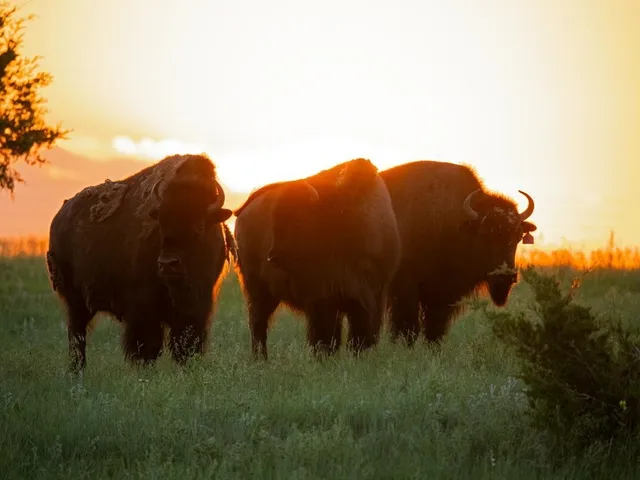
Support Tribes restore buffalo to the Great Plains
The Indian Buffalo Management Act would strengthen support for Tribal Nations who are working to bring buffalo back from the brink of extinction.