© Emmanuel Rondeau / WWF
Forests and human health
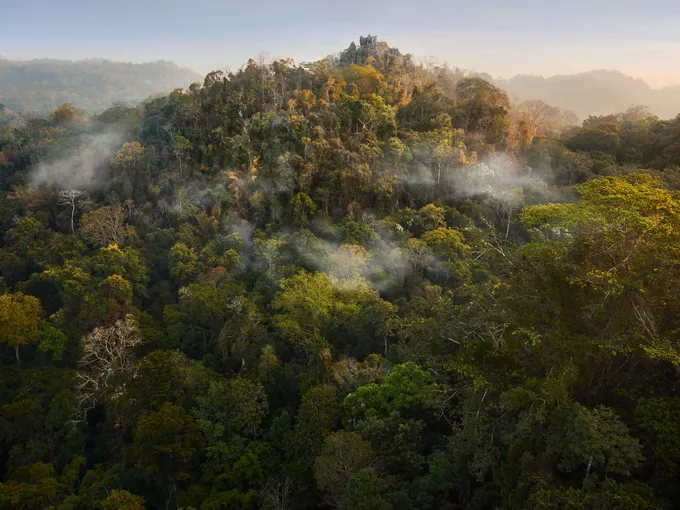
Forests are indispensable to human health. Forests provide natural resources, such as food, fiber, and fuel, that support people’s health and livelihoods. They also filter our air, regulate water cycles, and help mitigate the hazardous effects of climate change through carbon sequestration. But the relationship between healthy people and forests goes deeper.
Forests can reduce risks of cardiovascular diseases, cancers, chronic respiratory diseases, and mental health issues, resulting in better, longer, and more equitable health outcomes. In fact, preventing forest loss and degradation is our most cost-effective means of preventing infectious disease outbreaks, such as COVID-19. Forests also protect against physical hazards, such as flooding and extreme weather, and other health issues that endanger human lives.
However, the importance of forests to human health is not reflected in public funding, philanthropy, health-care systems, insurance models, or land-use planning priorities. To protect human health, biodiversity, and the global climate, decision-makers must prioritize forests and advocate for collaborative conservation as a public health strategy.
The scientific evidence demonstrates that public health and forests are entwined—at the local, regional, and global scale—and that across each of nature’s contributions to human health, forest conservation, protection, and management can improve human lives. And when we consider the public health challenges we face in our communities, counties, and countries, we must examine the health implications of how we treat our forests—and how they treat us.
News and stories
Why it matters
© 2021 lzf/Shutterstock
Reducing noncommunicable disease risks
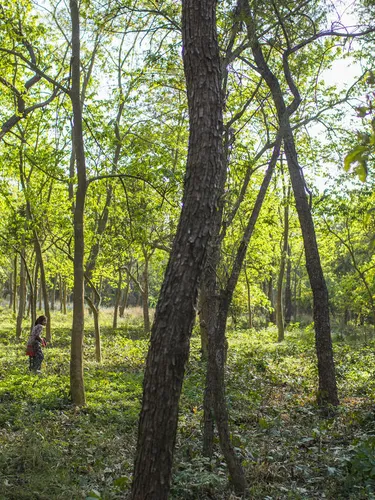
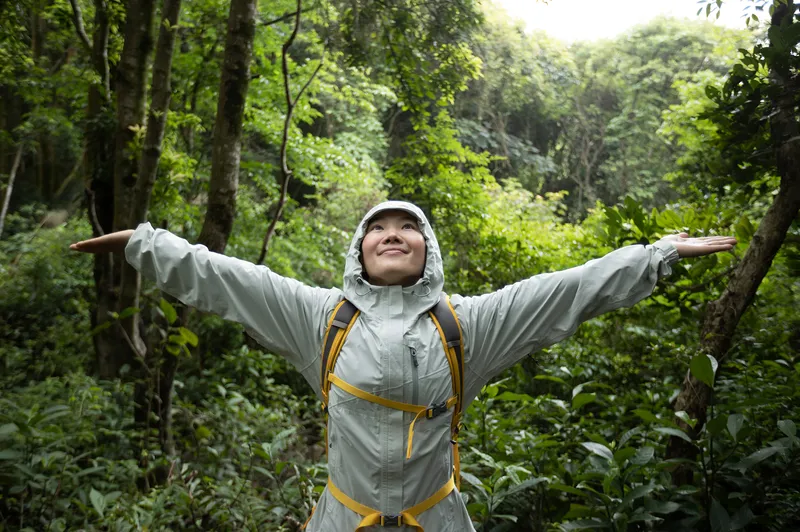
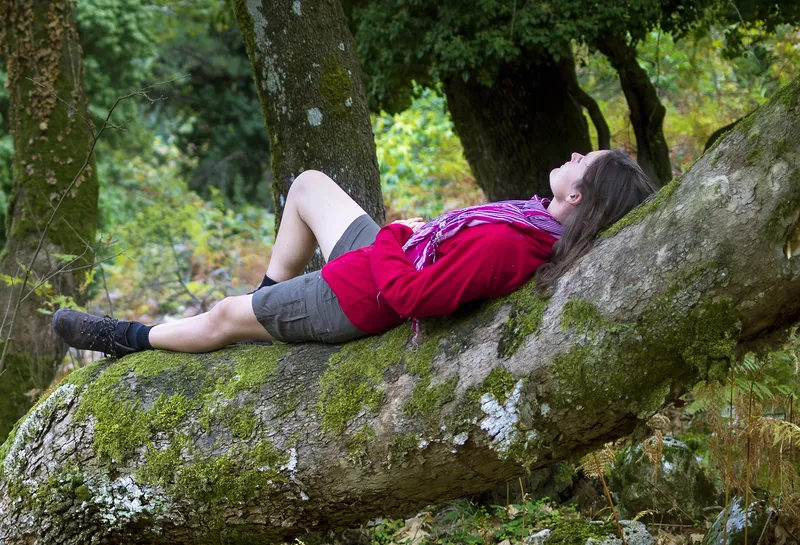
Each year, 41 million people die from noncommunicable diseases. These are noninfectious diseases that cannot be transmitted between people and include cardiovascular diseases, cancers, chronic respiratory diseases, diabetes, and mental health issues. Exposure to forests may reduce some factors that elevate the risks of noncommunicable diseases, and human stress hormones—such as cortisol, progesterone, and adrenaline—respond significantly when a person spends time in a forest.
© Shutterstock / Dr Morley Read / WWF-Sweden
Preventing the spread of infectious diseases
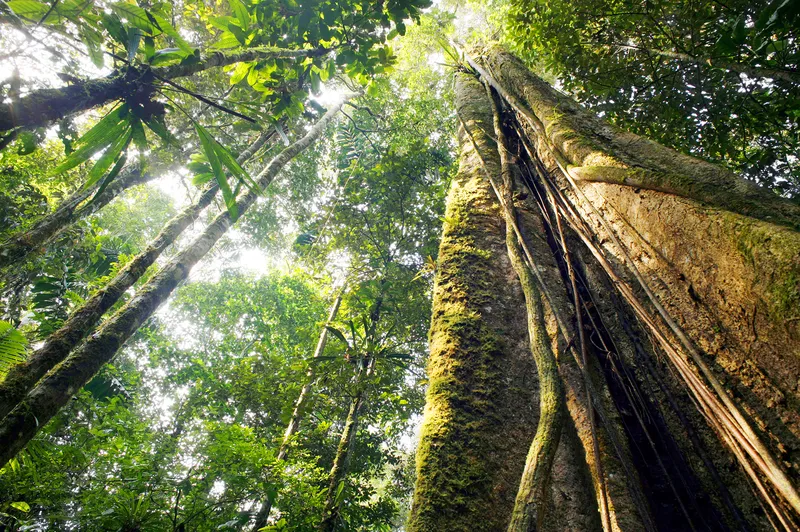
Nearly one in three outbreaks of new and emerging diseases is linked to land-use change, including deforestation. Infectious diseases are the leading cause of death in low-income countries and the leading cause of death of children aged under five years globally. Intact forest landscapes allow animals the habitat they require to maintain distinct populations and limit the ability of infectious diseases to spread among and between species. Forest loss and degradation concentrates animal populations, which has led to the emergence of novel infectious diseases that can have dramatic impacts on people and society.
© 2017 Shutterstock
Clean air and water
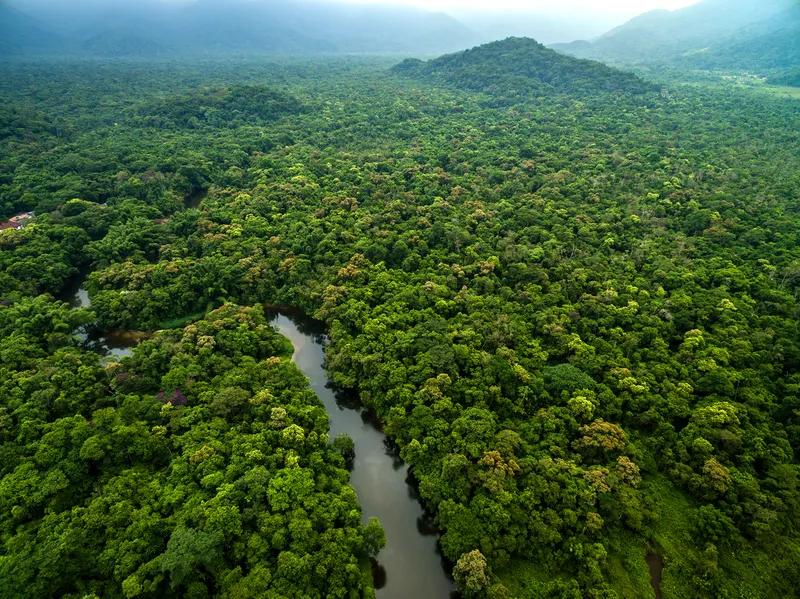
In 2015, air pollution (ambient and household) accounted for 6.5 million deaths, with noncommunicable diseases accounting for most of the disease burden. By filtering pollutants from air and water, forests help reduce the threats of pollution-related infectious diseases and noncommunicable diseases, including diarrheal disease, cancers, and respiratory diseases. Diarrheal disease is the second-leading cause of death and the leading cause of malnutrition in children aged under five years worldwide. A 30% increase in upstream tree cover is linked to a 4% reduction in the probability of diarrheal disease—similar to the effects of an improved sanitation facility.
© André Bärtschi / WWF
Nutrition and food security
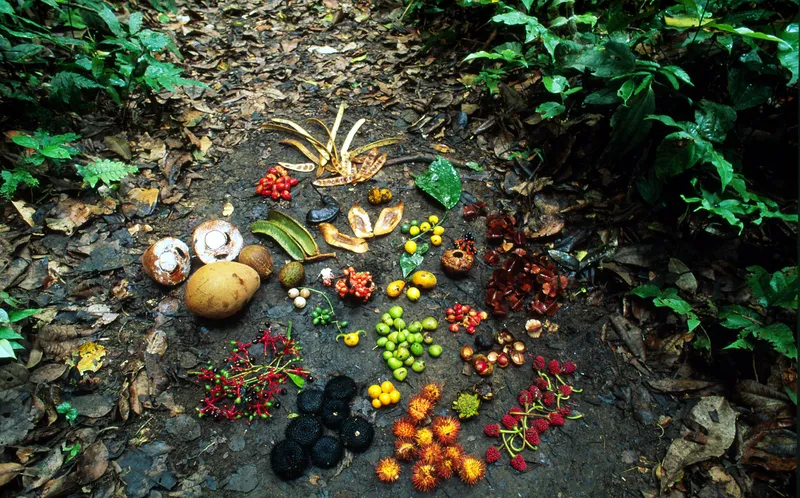
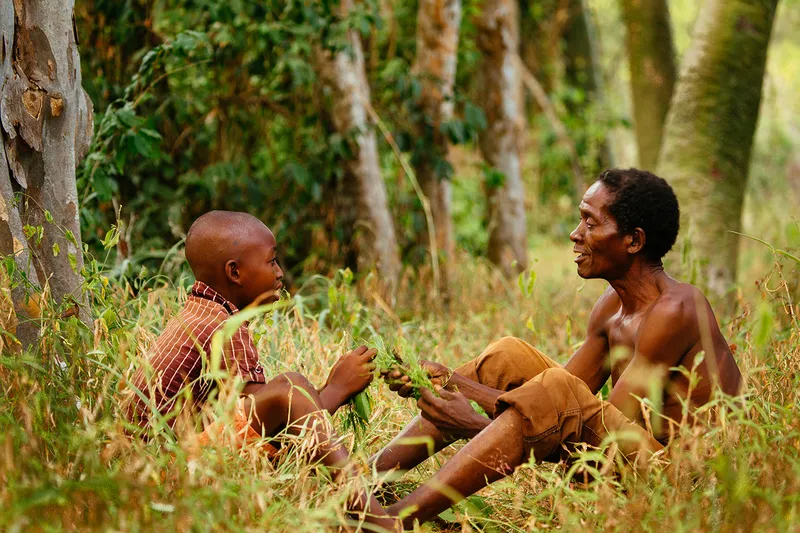
Forests can offer a nutritional safety net. Each year, 3.1 million children worldwide die from undernutrition, while those that survive with poor nutrition during the first 1,000 days of life often suffer lifelong health, social, and financial challenges. Children with adequate nutrition will have improved cognitive and physical development as well as lower risk of morbidity and mortality.
© 2014 Petar Paunchev/Shutterstock
Protection from physical hazards
Between 1996 and 2015, 1.3 million deaths were directly attributed to physical hazards such as wildfires, flooding, and extreme heat. Forests can provide protection against physical hazards in a variety of ways that can prevent death and protect human health. For example, as the planet faces a rise in extreme heat—affecting 1.7 billion people between 1983 and 2016—the cooling potential of forests is essential in battling the direct risk of heat-related illnesses such as heatstroke but also the impact that excessive heat has on exacerbating respiratory and chronic cardiovascular conditions.
© Greg Armfield / WWF-UK
Mitigating climate change and its adverse health effects
We know that our exposure to physical hazards like heat and more severe storms and floods will increase and the habitat of common vectors of infectious diseases like mosquitoes and ticks will expand. We also know the nutritional content of staple foods will decrease as CO2 in our atmosphere increases. And we know people are more vulnerable to climate change if their health is compromised. For each of these impacts, forests represent an indispensable solution to mitigating and adapting to climate change while supporting the health and well-being of people.
What WWF is doing

© Luis Barreto / WWF-UK
Recognizing forests as a public health solution
In 2019, the WWF Forest team launched the Forests and Health initiative in partnership with Johnson & Johnson, the world’s largest healthcare company, to better document how deforestation can undermine human health and economies and how we can improve efforts to curb future disease outbreaks. This cross-cutting effort is tied to many of the team’s other initiatives, including Forests Forward.
Through a combination of on-the-ground field activities and expanding recognition of the connections between forests and human health, we are confronting three gaps that have hindered the successful integration of nature and human health across policies and land-use planning:
- Need for a sufficiently rigorous evidence base and compelling case for integrating nature into how we define and support public health
- Weak integration of research and practice
- Lack of collaboration between health fields and conservation professionals
Vitality of Forests report
The WWF Forest team undertook this report to understand the science behind forests and human health. Our investigation explored five categories of potential interactions between forests and human health: noncommunicable diseases like cancer and diabetes, environmental exposure, food and nutrition, physical hazards, and infectious diseases.
We uncovered ample evidence that forests provide, prevent, and heal. While there are some hazards forests pose to human health, we found that the conservation, protection, and restoration of the world’s forests are undeniably critical to safeguarding and promoting human health while also making indispensable contributions to managing climate change and biodiversity loss.
We aim to integrate conservation into the “One Health” paradigm—a holistic approach to environmental, animal, and human health—to sustain nature and keep communities healthy and resilient for the long term. We're working with communities, governments, and partners in areas like Thirty Hills, Indonesia, and the Congo Basin to support human health and well-being. Our efforts include community-designed solutions to reduce deforestation, such as better access to health services. WWF hopes to shift the narrative on who truly benefits from forests and who suffers the full costs of deforestation when we consider its effect on our health.
Preventing disease and deforestation
As outbreaks and pandemics threaten global health and economies, WWF scientists and other experts are studying the origins of zoonotic diseases and why they’re increasingly transmitted to humans from other animals—a phenomenon known as spillover. Research shows that land use—specifically deforestation—can increase the risk and spread of infectious diseases, including COVID-19, Ebola virus, malaria, and Lyme disease. By better understanding spillovers and their connection to forest loss and fragmentation, WWF, governments, communities, and other partners can work together to support forest stewardship.