People and wildlife are partners in Rio Grande resilience
By
-
Madalen Howard

© Diana Cervantes / WWF-US
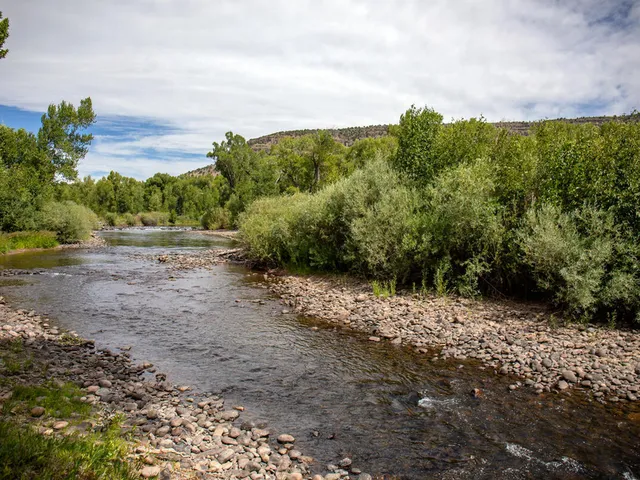
The Rio Grande has sustained people and wildlife of the American southwest for millennia. After decades of overuse, drought, wildfire, and the loss of beaver populations (an ecosystem engineer), the systems that have kept the Rio Grande flowing unraveled. Today, a different story is unfolding: The headwaters of the Rio Grande are being restored, by taking a page out of nature’s book.
The health of the entire Rio Grande basin begins in its headwaters. When its headwaters are cared for, they store and filter water, recharge aquifers, support wildlife, and ensure water makes it to the river’s 15 million downstream users. For farmers, healthy headwaters mean more reliable water supplies in dry months. For communities, they mean cleaner, safer drinking water. For wildlife, like beavers, trout, and sandhill cranes, they mean continued existence.

© Diana Cervantes / WWF-US
Restoration that’s built to last
With support from WWF, Rio Grande Return and Trout Unlimited are working to restore the headwaters of the Rio Grande. Across nine miles of the Rio Cebolla--a major tributary to the Rio Grande found high in the Jemez Mountains of New Mexico--the Rio Grande Return crew has installed over 200 artificial beaver dams (known as analogs) and other low-tech, restoration structures.
Made of branches, sediment, and logs, the beaver dam analogs mimic natural beaver dams to help the stream’s water flow slow down, spread water onto its floodplain, and soak water back into the land in order to “keep the sponge wet” (a metaphor used to describe how full stores of groundwater in the headwaters function like a wet sponge; surface waters stay flowing when the sponge is wet, a dry sponge is prone to wildfires!)
The crew, assisted occasionally by volunteers, has also planted 120,000 willows and more than 1,000 cottonwoods, both of which are native tree species that serve as sources of food and construction materials for beavers!
One of the most remarkable parts of nature-based solutions is what happens after the first steps. People may plant willows and build beaver dam analogs, but then wildlife takes back the reigns. Beavers move in, adding new dams and keeping water on the land. Trout thrive in the cooler, deeper pools, sparking recreational fishing that fuels local economies. Field mice return (we’ve even seen the endangered New Mexico Meadow Jumping mouse move back into one of Rio Grande Return’s restoration sites!) to nest and forage, scattering seeds and shaping the landscape. This is restoration that lasts because it’s built on nature’s own systems, not on perpetual human maintenance.

© Diana Cervantes
© Bex Young / WWF-US
Keeping waters flowing
Healthy rivers depend on more than habitat restoration: They need flowing water. That’s where Trout Unlimited plays a critical role. Through innovative water leasing agreements, Trout Unlimited works with farmers to keep streams flowing during dry months in the winter and summer, factoring humans into the nature equation.
Instead of water being fully diverted away from the channel where fish, like cutthroat trout, need it to swim to their mating and hunting grounds, leases allow water to remain in-stream, because farmers can volunteer to be paid to release their unused water back into the channel.
Together, Rio Grande Return’s nature-based restoration and Trout Unlimited’s water leasing ensure that the headwaters fueling the Rio Grande continue flowing. Both are rooted in the philosophy that people and wildlife are partners in resilience. By working alongside beavers, birds, fish, and each other, we protect the standards of living we all cherish. Solutions exist when people trust nature’s blueprint and work with wildlife.

© Diana Cervantes / WWF-US
© WWF-US/Diana Cervantes
Keep our water flowing
Freshwater systems across the US are increasingly in crisis. Ask your members of Congress to invest in programs that restore rivers, lakes, wetlands, and watersheds.
How you can help

© Sevda Ercan/iStockphoto/Getty Images
See our green tips
Here are practical tips to reduce your environmental impact, save water and energy, and protect nature.