Securing nature and humanity's future
ARPA Comunidades

© Zig Koch / WWF
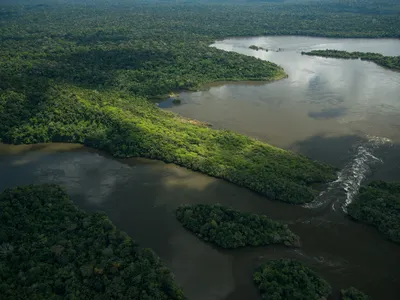
The Amazon rainforest—home to one in 10 known species on Earth—is one of the most biodiverse places on the planet. It stores vast amounts of carbon, regulates the global climate, and sustains food and water supplies. Without it, communities in the forest—and around the world—face serious consequences.
Safeguarding the Amazon and the thousands of families that live there requires more than commitment—it demands long-term, stable investment. That's why WWF and its partners have worked in the region for more than two decades. First, through ARPA (Amazon Region Protected Areas), which was created by the Brazilian government, WWF, FUNBIO, and other partners in 2002 to preserve forests and support the consolidation of more than 150 million acres of protected areas in the Amazon.
In 2014, ARPA evolved into ARPA for Life, an initiative that secured $215 million in funding to protect this vital ecosystem and ensure a future where people and nature thrive.
Despite growing awareness of the Amazon’s importance, conservation efforts remain critically underfunded. Today, ARPA for Life is changing that, driving lasting policy reforms and ensuring protected areas are well-managed, sustainably financed, and supportive of the communities that depend on them.
A model for lasting conservation
Through the Project Finance for Permanence (PFP) model, ARPA for Life unites governments, institutions, and local communities to protect 154 million acres of Amazon rainforest—an area nearly 1.5 times the size of California.
Since its inception, ARPA for Life has harnessed the power of partnerships, uniting public institutions and private philanthropists towards a transformative vision, helping build stable governance that has endured political shifts. Thanks to their early investments, ARPA has grown into the largest tropical forest conservation initiative in history.
Building on this strong foundation, we are now accelerating progress—channeling the momentum of past successes into a bold new chapter that deepens impact and catalyzes the next phase of work to protect the Amazon.
Conservation by communities, for communities
This next phase, ARPA Comunidades—launched in November 2025 by the government of Brazil, Brazilian communities, and a broad coalition of partners, including WWF—is scaling impact—by connecting forest protection with community prosperity and empowering local people to lead and benefit from conservation.
Together with local partners, through ARPA Comunidades, we are:
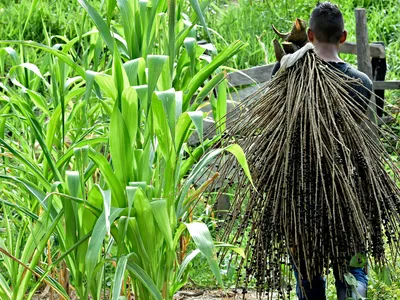
- Strengthening forests and livelihoods: Expanding access to markets, tools, and services that help communities earn income and improve quality of life by producing non-timber forest products—like tonka beans and acai—sustainably.
- Empowering local leadership: Strengthening community organizations that manage protected areas and benefit from the forest’s natural resources.
- Reducing deforestation: Supporting locally led efforts to create and safeguard protected areas in the most at-risk regions and strengthen the bioeconomy, which will reduce pressure on standing forests in sustainable use reserves.
By investing in sustainable forest economies, ARPA Comunidades is helping protect standing forests, increase their value to society, and create new opportunities for people who depend on them.

© Zig Koch / WWF
Protection for life
For 20 years, ARPA has evolved to meet the Amazon’s changing challenges—adapting strategies, strengthening protections, and inspiring similar models in Bhutan, Peru, and Colombia. Together with Heritage Colombia and Peru's Natural Legacy, ARPA for Life ensures durable conservation for 12% of the entire Amazon.
With ARPA Comunidades, that impact is expanding, linking forest protection with community well-being and sustainable development.
None of this progress would be possible without partners who helped turn an ambitious idea into a world-changing model. Today, continued philanthropic support and collaboration are essential—not just to protect the Amazon, but to secure our planet’s future for generations to come.
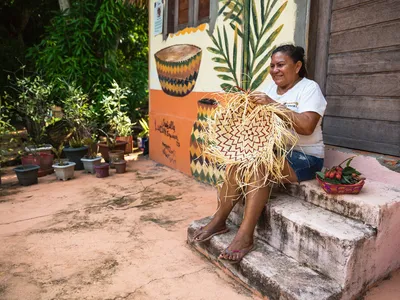
"There's nothing bigger than ARPA. It's the biggest conservation project of all time."
- Carter Roberts, President and CEO of WWF
© WWF/Tatiana Cardeal
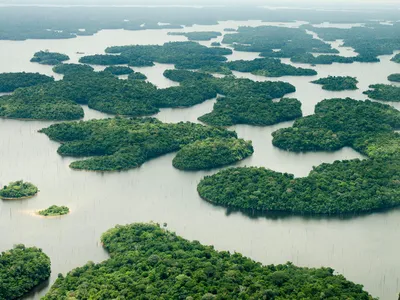
"Amazonia is vital for the world’s global biodiversity, climate goals, and for the viability of all humanity. Since 2001, the Gordon and Betty Moore Foundation has supported partners in Andes- Amazon countries to help conserve over 400 million hectares in the Amazon. ARPA Comunidades will ensure communities have what they need for sustainable livelihoods and strong environmental stewardship, and we are proud to support Brazil’s leadership and ambitious program for the benefit of people and planet."
- Avecita Chicchón, Program Director of the Gordon and Betty Moore Foundation
© WWF-US / Ricardo Lisboa
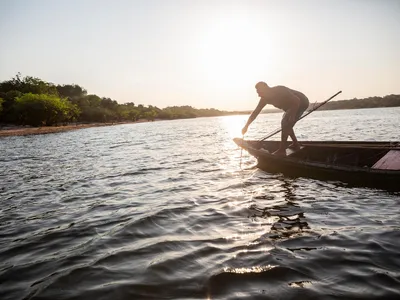
“I think what WWF-US is doing with Project Finance for Permanence (PFP) initiatives in the Amazon, Bhutan, and elsewhere is helping countries understand that there are multiple ways to sustainably finance protected areas. At the end of the day, a protected area is really just a paper park unless there is also money attached to it—then you can invest in management and truly protect the area. It’s an exciting trend, and the GEF is glad to be a part of it."
- Carlos Manuel Rodriguez, CEO and chairperson of the Global Environment Facility
© WWF/Tatiana Cardeal
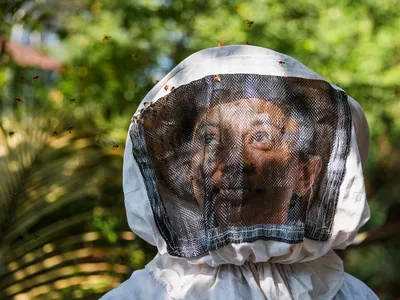
“The Amazon is one of the most important areas in the world for biodiversity and climate and supports the lives of millions of Indigenous Peoples and local communities. The Bezos Earth Fund is committed to helping Brazil to protect this critical region while also reducing the drivers of deforestation by finding alternative paths to prosperity for the people living in the Amazon."
- Cristián Samper, Managing Director and Leader of Nature Solutions at the Bezos Earth Fund
© WWF/Tatiana Cardeal
“ARPA for Life is the backbone for conservation across the country, enabling the value of nature to supersede partisan political views. It ensured that the sovereign pride communities have in their great ecosystems endured through elections and shifting political priorities."
- Rosa Lemos de Sá, CEO, FUNBIO & Carter Roberts, President and CEO, WWF
(Source: Co-authored WEF Article)
© Zig Koch / WWF
“Empowering communities is critical to protecting forests. We’re pleased our grant will support ARPA Communities, which combines conservation with inclusive sustainable development. This aligns directly with Walmart and Walmart Foundation’s Nature Goal to help protect, restore, and more sustainably manage 50 million acres and 1 million square miles of ocean. We look forward to seeing the impacts of this work and hope to see similar models scaled to other critical regions.”
- Julie Gehrki, President, Walmart Foundation
© Adriano Gambarini / WWF Living Amazon Initiative
Get in touch
If you’re interested in learning more about how you can support this work, please contact the Philanthropy team at [email protected]
Learn more
How you can help
© WWF-US/Clay Bolt
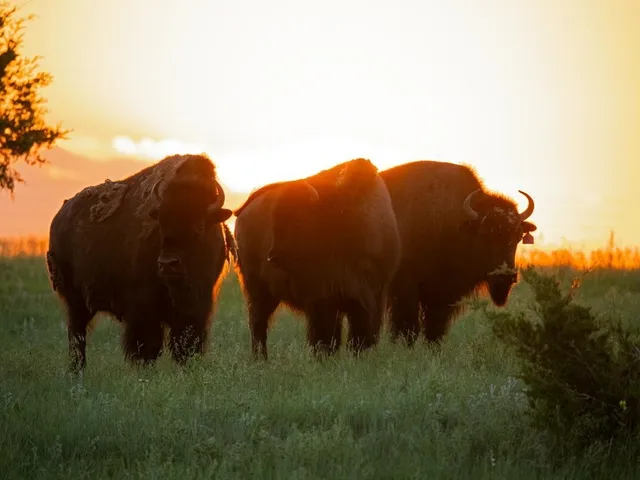
Support Tribes restore buffalo to the Great Plains
The Indian Buffalo Management Act would strengthen support for Tribal Nations who are working to bring buffalo back from the brink of extinction.