What Americans know about grasslands, our largest ecosystem
A new survey shows a little knowledge goes a long way
By
-
Danielle Brigida

© WWF-US/Clay Bolt
Key takeaways
- A new survey finds only 31% of Americans initially identified grasslands as one of the country's top three most important ecosystems.
- After receiving more information, that number grew to 68%
- Grasslands, though essential for planetary health, are disappearing: they need our awareness and help
America's largest ecosystem has a visibility problem. Nearly half of Americans know little to nothing about grasslands, the sweeping landscapes found in every state, even though they support abundant wildlife, food systems, water supplies, and rural economies. The good news? There's a great opportunity to change that.
A new national poll reveals just how important awareness is—especially for grasslands, the wide-open landscapes dominated by grasses and other flowering plants, with too much rainfall to be a desert and not enough rain to be a forest.
At the start of the survey, only 31% of respondents ranked grasslands among the top three most important ecosystems in the country. By the end, after receiving basic information about what grasslands do and the threats they're facing, that number climbed to 68%. More than double, in the span of a single survey. America's Grasslands Coalition released results of a survey conducted by GlobeScan in April 2026.
-
31% at start of survey
ranked grasslands among the top three most important ecosystems in the country
-
68% by end of survey
ranked grasslands among the top three most important ecosystems in the country

© Chris Boyer/Kestrel Aerial/WWF-US
Grasslands are much more than scenery
Grasslands don't announce themselves the way forests or oceans do. They have a quieter presence: deep root systems, swaying grasses, vibrant flowering plants, fertile soils, and open skies. They can feel like the space between ecosystems. But that assumption is costing us one of our most important and vibrant habitats.
Grasslands are quietly disappearing. US grasslands, including prairies, savannas, and shrublands, currently cover nearly 1 million square miles. And yet they are disappearing at an alarming rate, with only about half of the country's historic grasslands remaining. Grassland birds are in the steepest decline of any bird guild in the US,1 and grassland destruction is also one of the primary drivers of pollinator decline in North America. The causes are familiar—plow up of grasslands for row crops, energy development, invasive species, and urban development. Unlike deforestation, the loss tends to happen incrementally, field by field, without the imagery that draws sustained public attention.
The survey reflects that invisibility: only 24% of respondents identified grasslands as one of the three most threatened ecosystems, placing them near the bottom of the list, despite the dire trajectory that scientists are observing.
What changes when people learn more
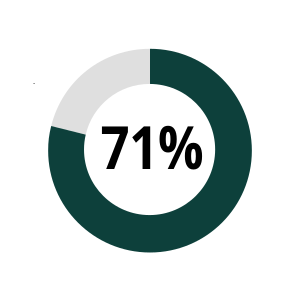
said they were likely to support grasslands conservation efforts
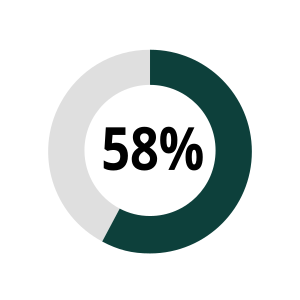
believed their own actions could make a difference
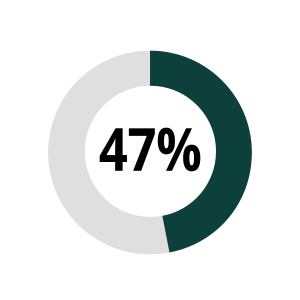
said the future of grasslands affects them personally

© WWF-US/Clay Bolt
Building grassland connections
It is striking not only how little people know, but how quickly their appreciation changes with information.
After people learn more about grasslands—including the human and ecological systems they support and what we are losing—their sense of urgency shifted substantially. Seventy-one percent said they were likely to support grasslands conservation efforts, 58% believed their own actions could make a difference, and 47% said the future of grasslands affects them personally. The survey suggests that with greater awareness, these numbers will only grow.
That potential is exactly why the America's Grasslands Coalition, including a leadership team of 10 conservation organizations, is launching a national campaign to enhance the awareness and conservation of this amazing ecosystem. Running in multiple waves this summer and into 2027 and beyond, the effort aims to close the awareness gap the survey identified, connecting Americans to a landscape many of them have never thought much about, but would surely miss. With grasslands found in nearly every community across the US, everyone has an opportunity to get to know them better and care for them.
© WWF-US/Clay Bolt
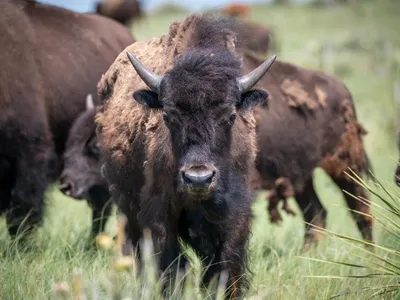
Support Tribes in restoring bison to the Great Plains
Ask Congress to strengthen federal support for Tribal Nations’ work to bring buffalo back from the brink of extinction.
Act nowMeet the wildlife of America's grasslands
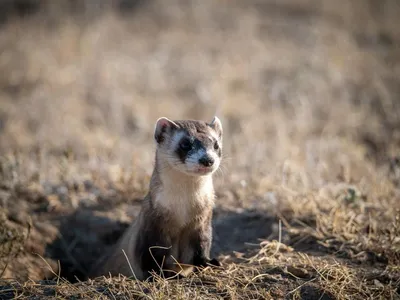
Black-footed ferret
© WWF-US/Clay Bolt
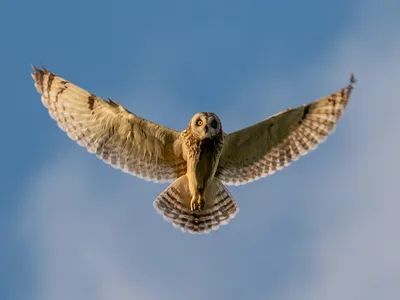
Short-eared owl
© WWF-US/Sarah Mosquera
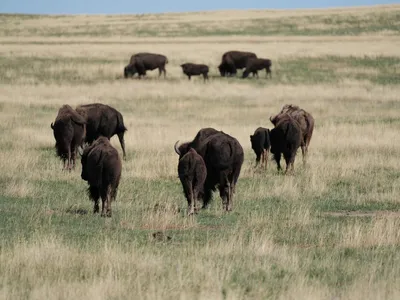
Bison
© WWF-US/Alexander Nicolas
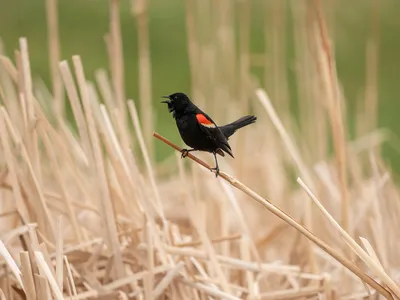
Red-winged blackbird
© WWF-US/Sarah Mosquera
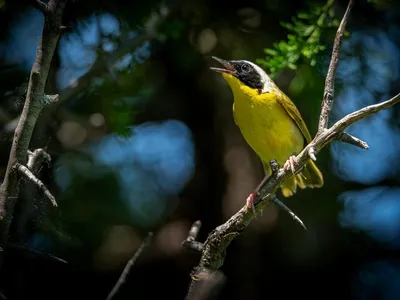
Common yellowthroat
© WWF-US/Clay Bolt
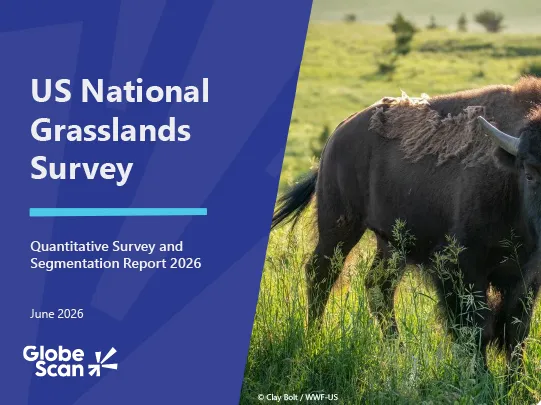
US National Grasslands Survey report
Read the full report on the survey conducted by Globescan in April, 2026
© WWF