Why ranger mental health should be a conservation priority
Including mental health services for rangers in conservation planning is critical, according to a new paper
By
-
Callie Cho

© Greg Armfield / WWF-UKd
In South Africa, a ranger lost his life to poachers while defending wildlife. In Nepal, a ranger died after being crushed by an elephant he had spent years caring for—an animal with whom he had a deep connection. Now, his colleague must step into his role, carrying not only the responsibility of protection but the weight of grief. These stories are not isolated. Across the globe, rangers return from the field struggling to readjust to everyday social settings, shaped by trauma that rarely stays behind when a patrol ends.
Rangers are dedicated people who serve as critical guardians of wildlife and wild places. They work for the state, volunteer their time, and include members of Indigenous Peoples and local communities. Rangers spend hours traversing forests and wild landscapes to track endangered species, stop poaching, support nature‑based tourism, respond to human-wildlife conflict, educate children about nature, and assist communities—especially during disasters. This work is often based in remote, high-risk environments, as they maintain the protected and conserved areas on which both nature and people depend, often at immense personal cost.
But despite their importance, rangers are consistently overlooked and under-resourced.

© WWF-US/Mac Stone
A new paper published in Conservation Letters describes the essential need for including mental health services for rangers in conservation planning.
“Rangers already face immense pressure from poor training, limited equipment, and inadequate welfare,” said Rohit Singh, a coauthor of the paper and WWF’s senior director of field conservation and wildlife policy. “Without mental health support, this strain only deepens—placing global conservation ambitions, including protecting 30% of the Earth by 2030, beyond reach.”
© WWF-US/Aaron Gekoski
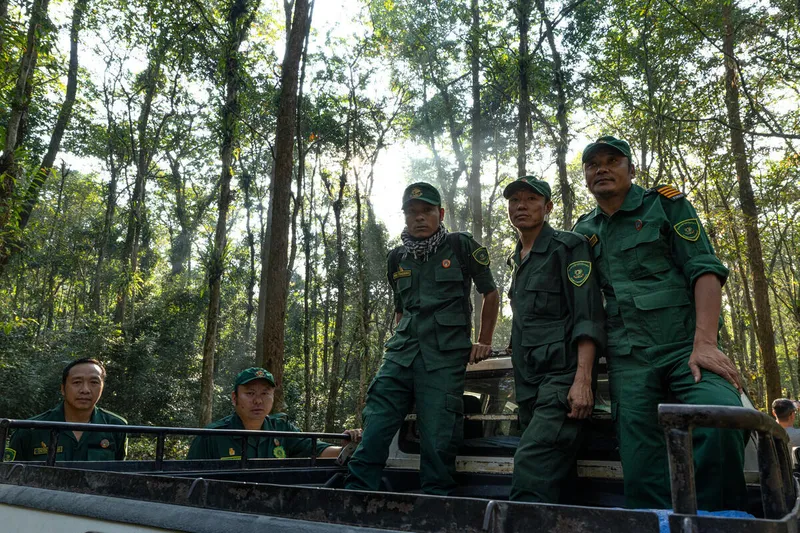
Fulfilling a multi-faceted role, rangers are often placed in risky situations, facing armed conflict, dangerous animals, rough terrain, or working in border and conflict areas. The constant pressures of the job can take a serious toll on rangers’ mental health, leading to trauma, grief, burnout, and isolation. One of the big stressors identified is loneliness, as rangers are often posted in remote locations away from their families for long periods of time. When rangers do not get the support they need, it can affect their well-being, their ability to make good decisions, and their relationships with local communities—ultimately harming conservation efforts. Supporting rangers’ well-being is not optional; it is essential for the well-being of the planet and its protectors.
To solve this issue, rangers need to be recognized as essential planetary health workers, given clear job standards, and provided with basic protection. While there has been significant focus on the physical fitness of rangers, mental fitness is equally critical for the safe and effective delivery of their duties. As such, rangers should also receive training to build mental strength and coping skills before they start work and throughout their service, based on local conditions. To make this possible, ranger programs need reliable, long-term funding, so salaries, staffing, equipment, healthcare, and facilities are properly supported. Programs also need stronger management, including clear mental health policies, access to professional support, good supervision, and peer support systems. The Universal Ranger Support Alliance (URSA) Employment and Welfare Standards recognize these necessities and promote a holistic approach to addressing the working conditions of rangers.
As a first step, URSA, in partnership with the International Ranger Federation, hosted the first-ever global workshop focused on ranger mental health. Bringing together case studies from different parts of the world—including India, Nepal, Pakistan, Kenya, and Australia—the workshop helped build a shared understanding of the mental health challenges rangers face, as well as the pressures on communities living alongside wildlife. Through talks and group discussions, participants learned practical ways to support wellbeing and discussed how these approaches could work in different cultures and settings. This workshop marked an important first step toward giving rangers the mental health support they need and deserve.
How you can help
© WWF-US/Franck Gazzola
Reconnect with nature and yourself
Explore calming videos, inspiring stories, nature prescriptions, and other resources that highlight how time outdoors can support mental health and well-being.