Why FernGully still matters for conservation


© Edward Parker / WWF | FernGully
For many of us, the animated film FernGully: The Last Rainforest was an introduction to the magic, fragility, and importance of the world’s forests. Long before terms like “biodiversity loss” became more acknowledged, FernGully told a powerful story about what’s at stake when nature is taken for granted and what’s possible when people choose to protect it.
Today, that message feels more urgent than ever.
Forests are home to most of the world’s biodiversity on land and play a critical role in regulating our climate, supporting livelihoods, and sustaining life on Earth. Yet they continue to face immense pressure from deforestation, degradation, and climate change. At WWF, we work alongside communities, governments, and partners around the globe to conserve and restore these vital ecosystems because protecting forests means protecting our future.
Stories like FernGully have a unique ability to inspire that mission. They spark curiosity, empathy, and a sense of responsibility, especially in young audiences who may be learning about these issues for the first time. For many in the conservation field, those early moments of inspiration can shape a lifelong path:
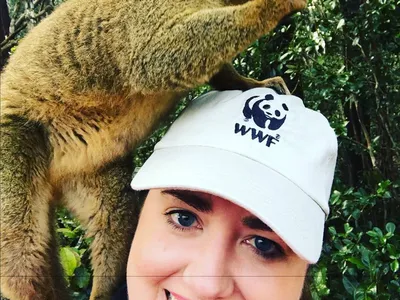
"FernGully was one of about four movies I had on VHS (and we didn’t have cable), so I watched it constantly as a kid — and it stuck with me. Looking back, that movie was why I fell in love with nature and it opened my eyes to how important it is to protect the natural world."
-Alanna Anctil, Deputy Director, Events, World Wildlife Fund
© Alanna Anctil
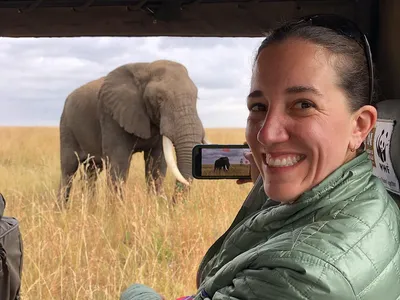
“Like a lot of people, I grew up watching FernGully: The Last Rainforest. What stayed with me was the feeling that nature is full of wonder, and that losing it would mean losing something irreplaceable. The movie still resonates because it reminds us that when we protect nature, we protect ourselves. I think it helped my generation see forests not just as scenery, but as living worlds worth protecting.”
-Danielle Brigida, Senior Director, Wildlife Communications, World Wildlife Fund
© Danielle Brigida
"FernGully was my first introduction to nature on a greater scale, and the mosaic of life who are connected to it, far beyond just humans. I could see the lifeline it represented for creatures big and small and the responsibility of humans to help protect it."
-Kassidy Jones, Communications Specialist, Private Sector Engagement, World Wildlife Fund
© Kassidy Jones
“After watching FernGully as a child, my uncle surprised me with a symbolically adopted acre of the Amazon as a birthday gift. This movie instilled a sense of wonder about one of Earth’s most beautiful but threatened habitats, and years later, this childhood fascination would be the throughline to the work I do today”
-Susan McCarthy, Director, Media & External Affairs, World Wildlife Fund
© Susan McCarthy

“As a kid, I remember feeling a deep solidarity to the fairies and the animals in FernGully trying to protect their rainforest from destruction. I even later dressed up as Batty for a childhood characters party in college! Fast forward several decades and I have focused my career on conserving the world’s tropical forests, in no small part thanks to the impression this movie had on me.”
-Brittany Williams, Senior Program Officer, Forests, World Wildlife Fund
© Brittany Williams
Film and storytelling remain powerful tools for change. By connecting the magic of movies to real-world issues, they help bridge the gap between awareness and action, and can turn inspiration into tangible conservation efforts.
The partnership between WWF and FernGully offers an opportunity to revisit beloved stories through a modern lens and reach new audiences, while also shining a light on the real forests and communities that need our attention today. Because sometimes, the stories that stay with us the longest are the ones that inspire us to act.