Yucatán Peninsula, Mexico
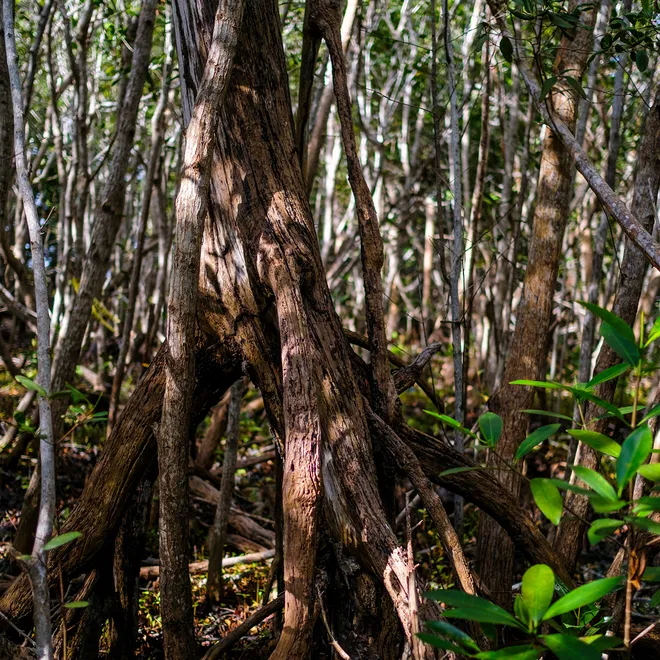
© Jason Houston / WWF-US
The Yucatán Peninsula, on the southeastern tip of Mexico, is a unique natural landscape known for its high levels of biodiversity, vital ecosystem services, and rich cultural and historical heritage.
It is home to myriad endemic species, like the Yucatán black howler, as well as many endangered species, including the tapir and white-lipped peccary. It is also where you can find iconic keystone species, like the jaguar. The peninsula hosts the largest underground aquifer in the world, the main source of drinking water for the 5.1 million people living in the landscape. The region also contains the Selva Maya, the second-largest contiguous tropical rainforest in the Americas.
Natural resources and ecosystems across the Yucatán Peninsula face increasing pressures from major infrastructure development and poorly planned urban expansion; aquifer pollution due to solid waste and unsustainable production practices; deforestation driven by livestock and agriculture expansion; and unsustainable fishery practices. Severe weather patterns driven by climate change also intensify the threats to natural habitats and water supplies. There is an urgent need to support local populations and ecosystems to enhance their resilience to climate change and reduce human-driven pressures to secure this unique landscape and its ecosystem services.
Together with partners, WWF has developed a holistic landscape strategy to advance a sustainable development model and generate measurable impacts for climate, people, and nature. Priority interventions focus on:
- Supporting sustainable fisheries
- Enhancing protected area management
- Restoring wildlife connectivity corridors
- Promoting regenerative and traceable agricultural and livestock value chains
- Promoting responsible real estate and infrastructure development—especially at the coastline
- Scaling wastewater treatment in freshwater recharge areas
Snapshot
-
60% of the country's mangrove forests
This covers more than 540,000 hectares.
-
Home to the Maya people
This is the largest Indigenous population in North America.
-
World's largest underground aquifer
The Yucatán Peninsula hosts the world’s largest underground aquifer.
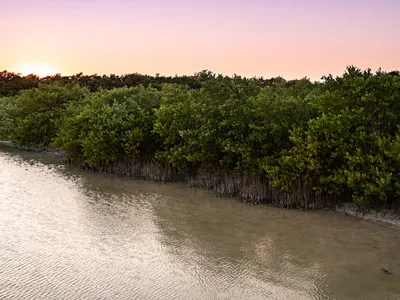
Healthy mangroves west of Dzilam de Bravo, Mexico. Many of the mangroves here died when a road bisected the landscape, cutting off regular water flow. Restoration efforts to address this loss are underway.
© Jason Houston / WWF-US
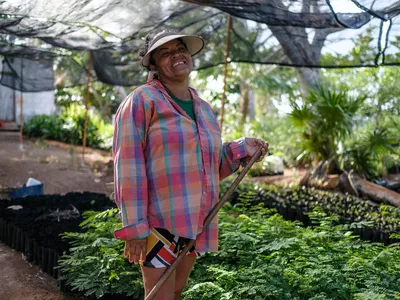
A worker at a nursery that supplies seedlings used in restoration and reforestation projects in Yucatán, Mexico.
© Jason Houston / WWF-US
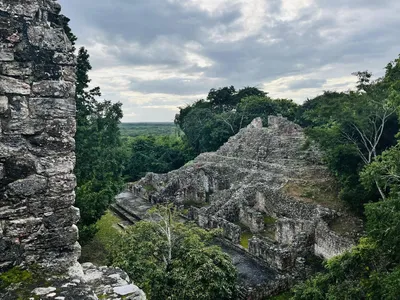
Becan—an archeological site in the Selva Maya rainforest near Calakmul, Campeche, Mexico.
© WWF-US / Carolin Planitzer
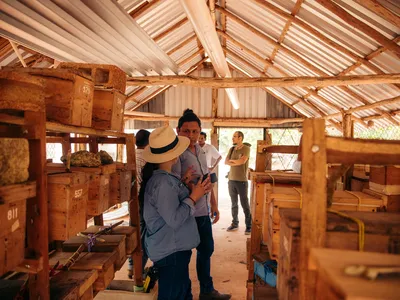
Stingless bee hives in Biocultural Reserve Del Puuc, Yucatán State, Mexico.
© Julian Hahne
Featured species
Melipona
The Melipona is a rare, stingless bee endemic to the Yucatán Peninsula. The bees are known for nesting in large, hollowed-out trees and produce a sweet and sometimes acidic, citrus-flavored honey. Their honey is commonly used for healing, and harvesting in the region dates to the Maya civilization. In the Maya language, the Melipona bees are known as Xuna'an kab, which means "bee woman” or "lady bee.”

© Nat Pix