© Becca Skinner / WWF-US
Impact investing
Wild innovations.
Bold investments.
WWF Impact supports investment solutions to solve some of the most pressing environmental challenges facing people and the planet. We seek to identify innovations and business models that have been neglected by mainstream markets but have the potential to help combat climate change. The companies we support aim to be leaders in delivering measurable benefits to the ecosystems and communities in which they operate.
Our primary area of focus is the food system. New food production methods and circular approaches are needed to feed a growing population, reverse biodiversity loss, and facilitate adaptation. WWF’s decades of experience and global network position us to identify the strategies and solutions that are poised to succeed and make a dent in these intractable challenges.
Through impact investing, we amplify our conservation work. When WWF Impact invests, the world changes faster.
Our approaches
Catalytic Investing
We provide catalytic capital to early-stage companies advancing positive social and environmental change.
WWF Impact raises and deploys impact-driven funding in the form of equity-investments into early-stage companies operating in nascent sectors that, while overlooked by mainstream venture capital, can generate profound planetary benefits. We anticipate that as our portfolio companies grow, they will seek to demonstrate market viability and gain traction addressing global conservation challenges.
Market Partnerships
We partner with investment managers to identify and accelerate sustainable approaches driving environmental benefits at scale.
Spurring sustainability across mature markets requires investment in large-scale production and supply chain improvements. WWF Impact is partnering with experienced asset managers to support investment into companies that are uniquely positioned to deliver conservation benefits that prioritize human and planetary health. We serve as impact advisors to fund managers building portfolios that are grounded in holistic impact, aligned with scientific best practices, and centered around communities.
Our strategy
WWF Impact invests in spaces where market innovations are critical for accelerating conservation efforts and solving the most pressing environmental challenges.
© Pierina Bellota / WWF-Perú
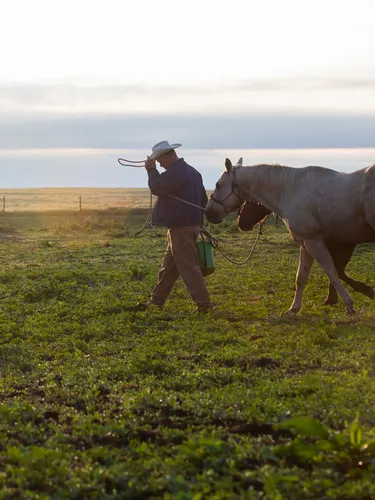
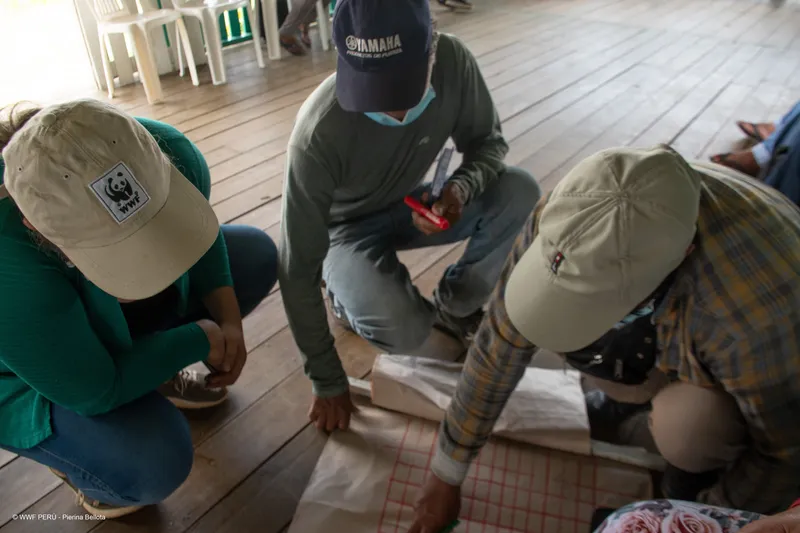
Regenerative Agriculture
Our agricultural system is responsible for keeping the world's population fed and clothed, but our resources are growing increasingly strained. The environmental impacts of agriculture are significant – food production accounts for nearly a third of GHG emissions, 70% of the world’s freshwater consumption, and drives 80% of global deforestation.i Many agricultural jobs are unsafe, and farmers operate on razor thin margins while input costs continue to rise. The headwinds of climate change only increase these risks.
WWF Impact promotes agricultural approaches that mitigate GHG emissions, enable efficient land and resource use, and benefit farm communities. We make catalytic investments in farm-level interventions that scale solutions in line with WWF’s goals of preventing conversion and deforestation and protecting biodiversity, climate, freshwater, and livelihoods.
We are especially interested in technologies that address the following:
Livestock feed and animal health
Manure management
Farmworker livelihoods
Climate resilience and productivity for small- and medium-sized farms
These focus areas empower farmers and ranchers with new tools to increase profitability and benefit the environment. This strategy supports the livestock sector in integrating new technologies for establishing regenerative production, mitigating emissions, and re-valuing waste streams. We aid farmers by advancing technologies that improve efficiency and reduce the physical burdens of farmwork.
© Elizabeth Dalziel / WWF-UK
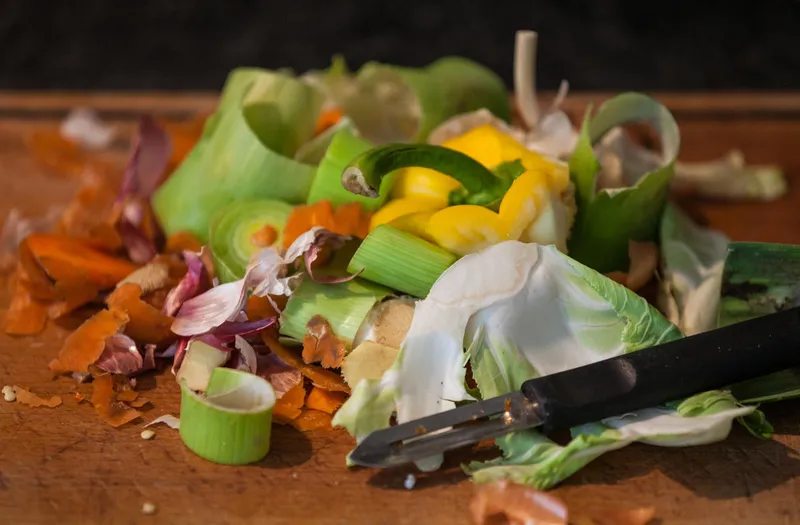
Food Circularity
Nearly 40% of the food we grow globally is wasted, amounting to roughly 2.5 billion tons of food every year. This represents a significant loss of resources and has a negative environmental impact, with food loss and waste contributing an estimated 10% of human generated GHG emissions.ii At the same time, access to affordable and nutritious food for all remains a challenge: the World Food Programme estimates that in 2022, nearly 828 million people face acute food insecurity.iii
WWF Impact’s Food Circularity portfolio will target waste and distribution inefficiencies across the food supply chain while prioritizing human health and wellbeing. We invest in innovations that directly address food waste, food loss, waste-to-feed, and sustainable food packaging to promote circularity in developing and developed markets. This approach will help reduce the environmental impact of food, redirect surplus food to benefit communities, and support solutions that are based in—and/or can be scaled to—geographies experiencing significant waste disposal challenges and rapid population growth.
WWF Impact supports business models that recover and revalue food waste, helping stakeholders view unused food as something that offers profitable environmental and social benefits. Examples of these spaces include:
Upcycling opportunities and byproduct valorization
Technologies to naturally extend the shelf life of fresh food items
Improved food access, donation systems, and distribution of surplus food
Innovations that reduce farm loss and support more efficient harvesting & distribution processes
© Jeff Siebert / WWF-US
Aquaculture
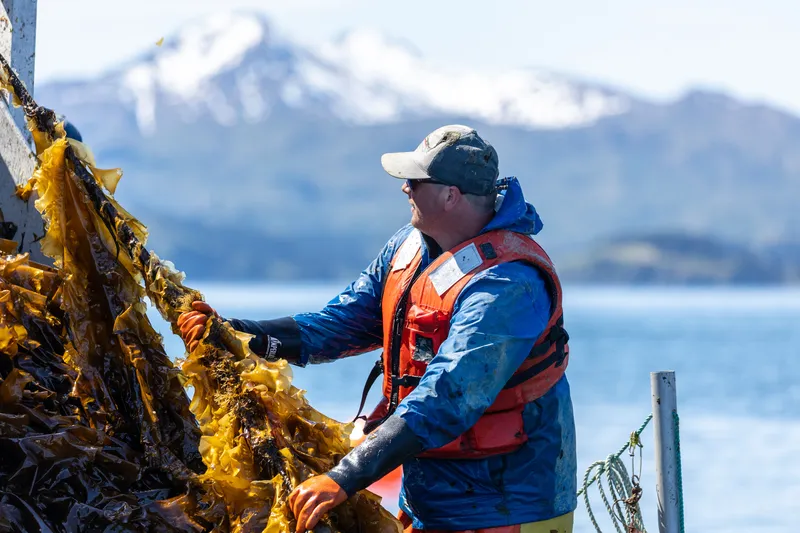
Aquaculture represents a scalable opportunity to provide significant local ecosystem benefits, help offset terrestrial agricultural emissions, and improve livelihoods in coastal communities.iv As seaweed grows, it takes up excess carbon and nitrogen, creates habitat, and reduces the impacts of acidification. Post-harvest, this versatile crop can be used as a net-neutral animal feed, both displacing resource intensive feed commodities and improving animal health. The sector is also exploring fertilizer, biostimulant, and bioplastics applications for seaweed, thereby helping to reduce the land use, freshwater consumption, and emissions of existing terrestrial supply chains. Furthermore, seaweed farming can serve as an income diversification tool for fishermen reliant on fleeting and fluctuating wild stocks. In nascent seaweed markets, however, access to capital is a substantial bottleneck to scale; investors have historically been reluctant to back seaweed ventures due to the constraints of annual farming cycles and the lack of technological innovation. Therefore, there is an opportunity for WWF to invest catalytic capital in these overlooked spaces and help farmers and processors build new markets.
WWF Impact is helping growth-oriented startups kickstart sea farming in regions with little existing production volume but significant potential. Our investments in this space share an overall approach to sustainable seaweed that addresses barriers to scale -- reduce production costs through technological innovation at the farm-level, build new markets for value-added seaweed products, and improve public acceptance for ocean farming.
WWF Impact is focused on four high leverage areas within the aquaculture industry:
Novel nursery and hatchery production methods
Scalable, low-cost farm designs
Processing and extraction innovations
Animal feed, biostimulant, and materials product development
© Luis Barreto / WWF-UK
Sustainable Forestry
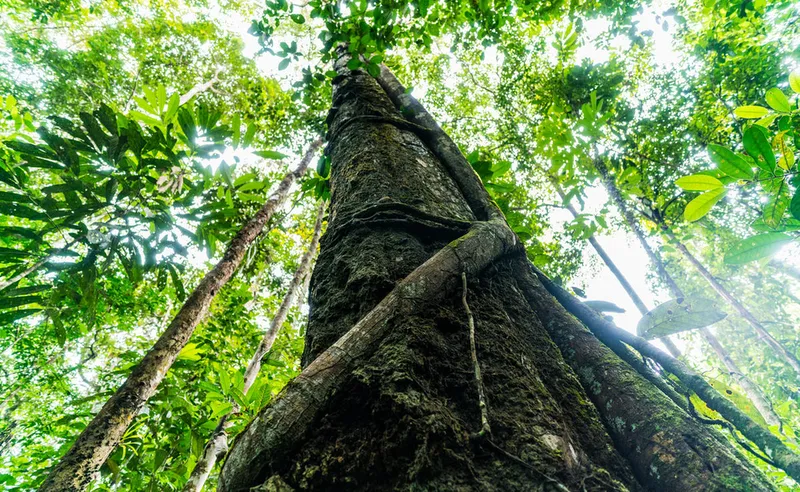
The role of forests cannot be overstated – from providing critical habitats and supporting biodiversity, to sequestering carbon and keeping our air clean, forests are fundamental for global climate and community resiliency. WWF will support innovations that facilitate sustainable forest management, agroforestry, and prevent deforestation across a variety of sectors and geographies.
© WWF-Brazil / Adriano Gambarini
Natural Capital
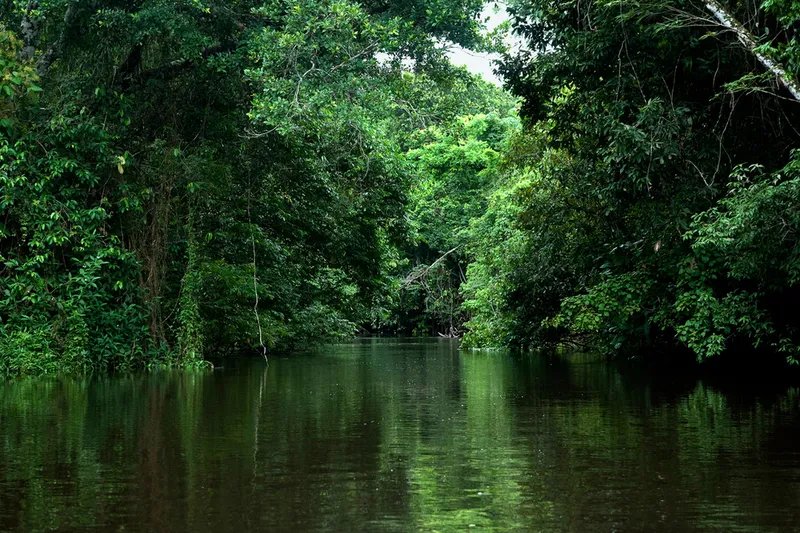
We can attribute many of our daily products, activities, and well-being to natural capital and the environment. WWF will support startups pioneering new business models and technologies that adequately value ecosystems. This portfolio will play an important role in protecting biodiversity, demonstrating the value of ecosystem services, and ensuring benefits accrue to local populations.
News and stories

Our team
WWF Impact draws upon the programmatic expertise of our Food, Climate, Agriculture, and Aquaculture leadership, as well as from our core investment teams, to design and execute our impact strategy. Our Impact Advisory Panel (IAP) guides our work and is comprised of experienced leaders from multiple industries, ranging from climate research, financial markets, and development finance. Backed by the team and expertise of WWF, we make investments that have the potential to accelerate change. Our decades of experience and global networks position us to help identify cutting edge companies with business models that drive lasting impact at scale.
Experts




Get in touch
Calling all changemakers, innovators, and entrepreneurs. Do you have an idea, innovation, or company with an environmental mission or goal that aligns with our strategy? We want to hear from you!
Send us an email at [email protected] with your pitch deck and more information about your company.