Mobilizing finance for nature
'Nature finance' is money invested in protecting and restoring the natural systems we depend on—forests, rivers, oceans, and more. It includes public, private, and philanthropic capital directed toward conservation and sustainable use of resources.

© Day's Edge Productions / WWF-US
What is nature finance?
'Nature finance' is money invested in protecting and restoring the natural systems we depend on—forests, rivers, oceans, and more. It includes public, private, and philanthropic capital directed toward conservation and sustainable use of resources.
Why finance for nature matters
We all want a thriving global economy and a healthy planet. The two are inseparable. From the food on our plates and the water in our taps, to jobs, health, and stable supply chains, nature underpins human progress and prosperity.
But nature is under urgent threat. Forests are shrinking, oceans are warming, and wildlife populations are declining at alarming rates. The stakes for business are clear, with more than half of global Gross Domestic Product (GDP)—nearly $60 trillion—at risk of disruption if ecosystems continue to decline. And one of the biggest obstacles to reversing this decline isn’t a shortage of ideas—it’s the lack of funding, sourced, blended, and deployed at the right scale, in the right places, and at the right moments when it matters most.
The nature finance gap
Every dollar spent on conservation generates long-term returns for communities, businesses, and the natural resources that sustain them. And yet, the world is currently investing only about 20% of what’s needed to safeguard ecosystems and the rich variety of life they support. The shortfall—the “nature finance gap”—is estimated at around $900 billion every year.
Closing this gap opens the door to real solutions:
- Financing sustainable supply chains: Companies may pledge to eliminate deforestation from their supply chains, but farmers often lack the resources to make that shift. With financing, producers can adopt sustainable practices that keep forests standing while maintaining livelihoods.
- Scaling nature-positive innovation: Entrepreneurs are developing products and services with the potential to drive rapid progress on the most pressing environmental challenges of our time. Without access to long-term, patient capital, many never reach scale. Targeted investment can unlock innovations that deliver both economic and environmental benefits.
- Turning debt into conservation opportunity: Governments may want to conserve critical ecosystems and grow eco-tourism, but debt burdens can crowd out those investments. Debt restructuring tied to conservation commitments frees up funding to protect nature while supporting economic stability.
- Unlocking capital through environmental markets: Communities or governments wanting to restore or protect large areas often face years of slow fundraising. By securing payments for the environmental outcomes—like carbon storage, clean water, or protecting key species—these efforts can unlock upfront capital, enabling restoration and protection at a greater scale and speed.
Who pays?
Until now, most conservation funding has come from public budgets and philanthropy. While vital, they can’t close the gap without help from the private sector.
Financial institutions and companies have a crucial role—and a big stake—in protecting nature. A growing number of companies and investors recognize that healthy forests, rivers, and oceans are the foundation of secure supply chains and resilient economies—and that only credible, well-structured finance can keep those systems intact.
The real opportunity lies in blending finance from these different sources—combining concessional and commercial capital—to create solutions that deliver both environmental and economic returns.
WWF’s new strategy: Nature finance and investment (NFI)
To help meet this challenge, WWF has launched a new Nature Finance and Investment (NFI) strategy, debuting at Climate Week 2025 at the Nature Hub in New York.
With the launch of the NFI strategy, WWF is moving to accelerate and scale the flow of capital into the world’s most vital natural places. The NFI team’s mission is to bring more private and upfront financing to high-priority conservation goals, ensuring that funding reaches the ground where it can make the greatest impact. WWF’s unique assets—scientific expertise, global reach, and trusted partnerships—position us to lead this effort.
WWF’s approach and pillars of action
NFI develops financing solutions that build on—and expand—WWF’s long record of mobilizing capital for conservation.
WWF Impact: WWF is building a portfolio of early-stage investments in high-impact enterprises that mainstream markets often overlook. With an early focus on food systems—farms, fisheries, and supply chains—WWF Impact funds ventures that cut deforestation, reduce emissions, and improve livelihoods.
Nature-friendly debt: WWF has a long history of supporting innovative deals that reduce national debt in exchange for ecosystem protection, which continues through the Debt for Nature Coalition. WWF is now expanding its focus on debt capital markets to mobilize more funding for nature through sovereign, corporate, and project lending.
Financing nature-based solutions (NbS): WWF is building and supporting a portfolio of nature-based carbon removal projects designed to reduce emissions, regulate water flows, and strengthen communities' ability to cope with climate shocks. Built on decades of work in these landscapes, these projects show how high-quality nature markets can deliver measurable environmental and community outcomes alongside credible returns for investors and lenders.
Public finance: Building on WWF’s global reach and close collaboration with local governments, WWF will identify opportunities and provide advice and advocacy to expand public budgets for nature. This includes supporting policy tools, mobilizing financing solutions, and strengthening the economic rationale for conservation.
Partner with us
Finance for nature isn’t just charity. It’s an investment in our collective future.
WWF is mobilizing solutions, but no single organization can do it alone. We’re seeking partners from the corporate, private finance, public finance, and philanthropic sectors to help us close the nature finance gap and secure a thriving world where people and nature prosper side by side. Join us. For Nature. Now.
How you can help
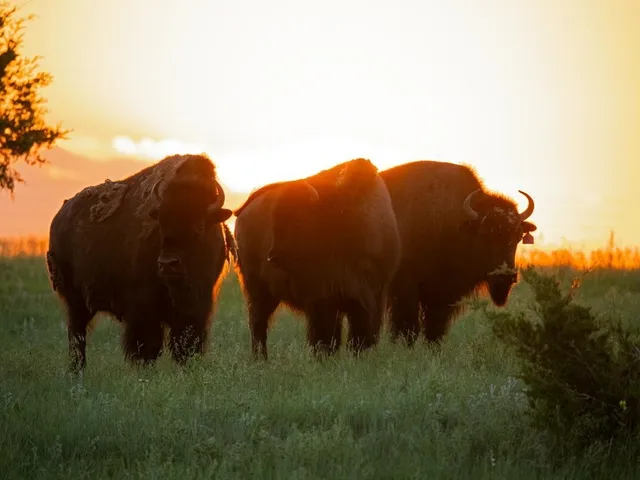
© WWF-US/Clay Bolt
Support Tribes restore buffalo to the Great Plains
The Indian Buffalo Management Act would strengthen support for Tribal Nations who are working to bring buffalo back from the brink of extinction.