Restoring waterways for jaguars in the Peruvian Amazon
© naturepl.com / Karine Aigner / WWF
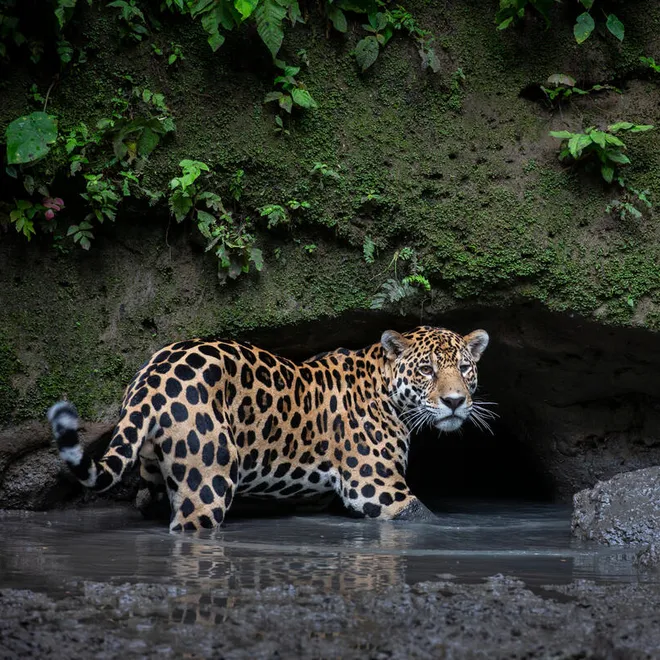
Madre de Dios, a region in southeastern Peru known as the country’s biodiversity capital, covers 19.5 million acres of forest—12% of the Peruvian Amazon—and is home to endangered species like the jaguar. Despite its rich ecosystems and vast network of rivers and lagoons, the region faces increasing threats from prolonged dry seasons, droughts, fires, and climate change.
These pressures weaken the Amazon’s resilience to climate stressors and degrade water sources for wildlife and communities. For decades, both people and wildlife have relied on the area’s streams for water, and with intensive use, deforestation, and fires, these riparian zones have become progressively degraded. Furthermore, water scarcity in the region has intensified conflicts among people, livestock, and wildlife, especially in ranching areas where competition for water drives negative interactions with jaguars.
To address these challenges, WWF Peru and the Wildlife Adaptation Innovation Fund created three climate-smart and conflict-free “safe zones” for jaguars to access water sources that are protected from livestock intrusion and damage. The sites for these safe zones were selected because they were adjacent to known jaguar hotspots, were traversed by over 39.5 acres of streams, have high wildlife activity from other species like tapirs, deer, peccaries, howler monkeys, and ocelots, and were in need of riparian restoration due to drought, fires, and degradation from livestock. The safe zones, which cover 75.5 acres of riparian area, successfully safeguarded and restored critical water sources for jaguars and other wildlife, increasing water availability and improving habitats.

© WWF-Peru
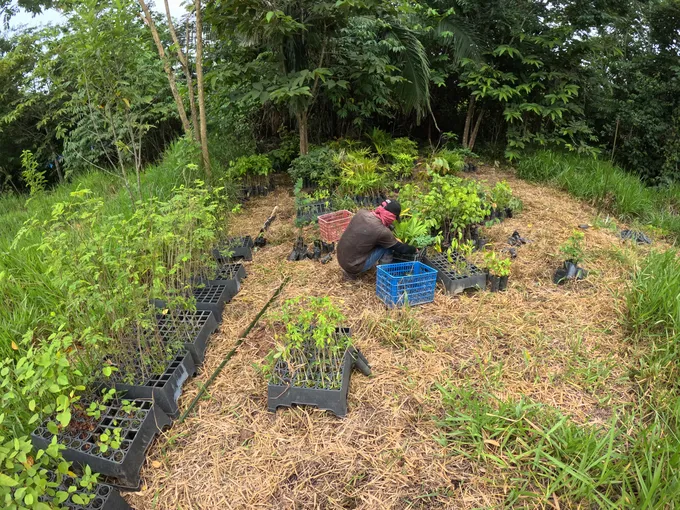
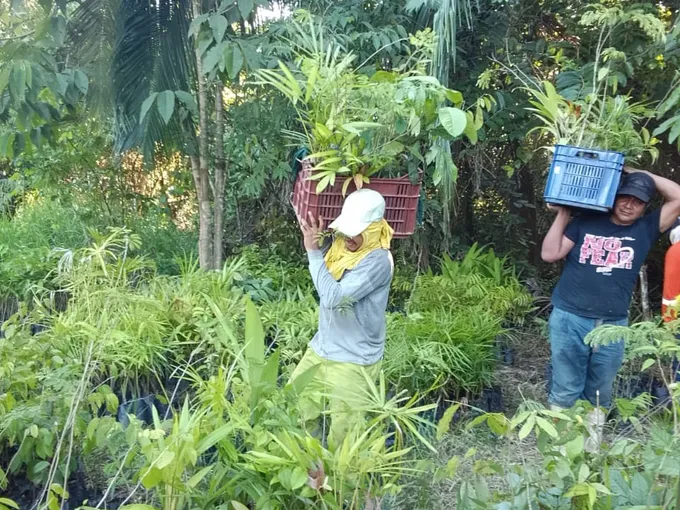
Restoration techniques within the safe zones varied from active methods like reforesting 30 acres of degraded riparian area with 5,000 native seedlings to passive strategies such as installing 2.7 miles of protective electric fencing along adjacent livestock pastures. The electric fences allowed for the streams’ natural regeneration by preventing livestock encroachment and damage with low-voltage shocks. These fences serve a dual purpose of deterring jaguars from entering livestock farms as well, further reducing human-wildlife conflict. To prevent injury to small wildlife that may travel beneath the fence, such as tortoises, and those that may perch on top, like monkeys, the bottom and top wires remain unelectrified.
© WWF-Peru
© WWF-Peru

© WWF-Peru
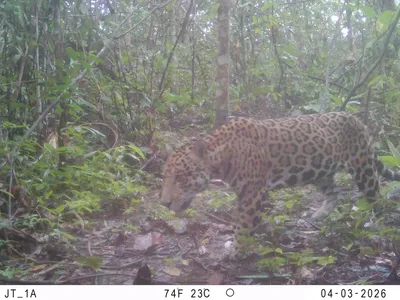
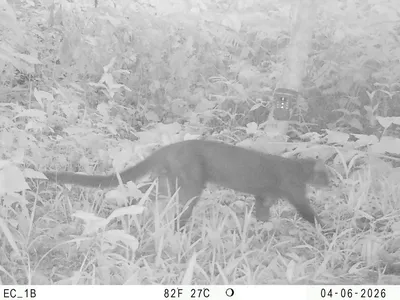
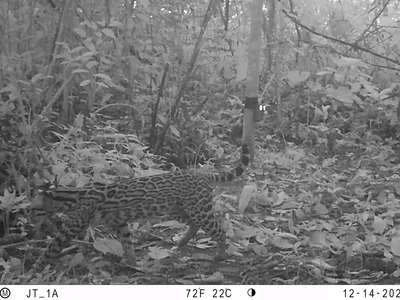
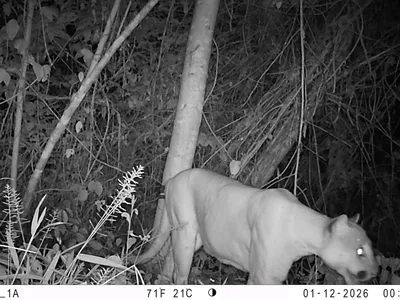
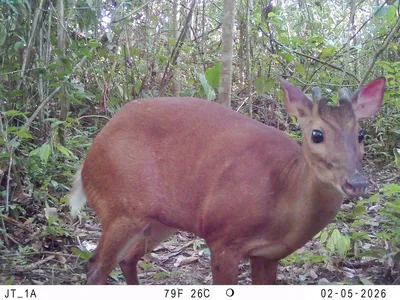
Camera traps were installed in the safe zones to monitor jaguar presence, prey dynamics, and potential interactions with livestock. By the end of the project, camera traps didn’t record any livestock in the newly restored safe zones. During post-project monitoring, jaguars were detected multiple times by camera traps in the safe zones. Before the project, camera traps hadn't detected any jaguars in the project area—only nearby. Their increased presence in the area shows that the safe zones are operating successfully by acting as a main water source for wildlife.
Caught on camera
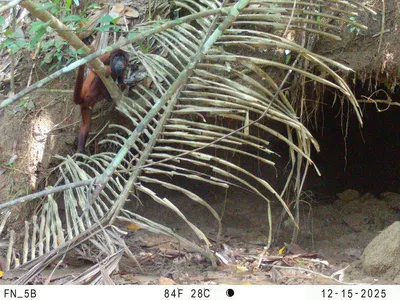
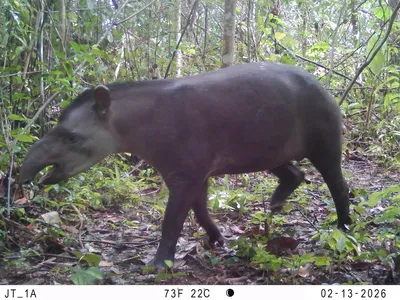
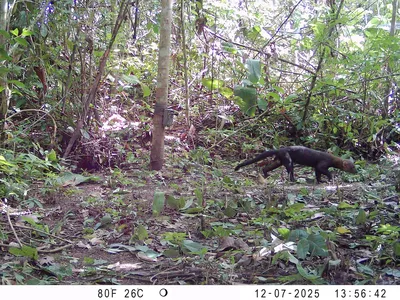
A jaguar, jaguarundi, ocelot, puma, red deer, red howler monkey, tapir, and a tayra recorded on camera traps in the safe zones.
© WWF-Peru
© WWF-Peru
© WWF-Peru
© WWF-Peru
© WWF-Peru
© WWF-Peru
© WWF-Peru
© WWF-Peru
Ranchers and community members living near the safe zones were engaged and trained in the monitoring and oversight of the interventions and helped oversee the enforcement of conservation measures in the safe zones, ensuring their long-term sustainability. Financial mechanisms were also developed to sustain the long-term maintenance of the electric fences, ecosystem restoration efforts, and riparian habitat protection, such as payments for ecosystem services, conservation agreements with livestock producers, and partnerships with ecotourism supply chains. Partners such as the Tahuamanu Livestock Association, local technical institutes, and universities supported implementation, knowledge-sharing, and future scaling of this nature-based solution.

© WWF-Peru