Budgerigar/Budgie
Melopsittacus undulatus
The risk associated with keeping this species as a pet is low. Budgies are suitable pets if well cared for, but you can learn more below to check if it is a suitable pet for you.
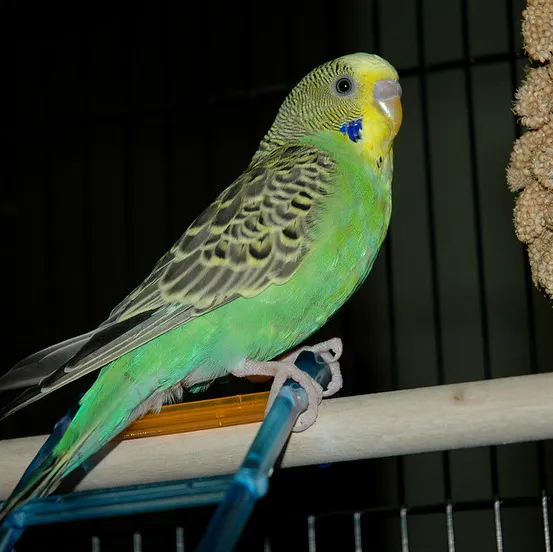
© Sascha Grant / Flickr.com / Creative Commons
Assessment results
Low risk

Conservation | Low risk
This animal is most likely not threatened by extinction, and/or the exotic pet trade does not impact the wild population. Please check that the animal you want comes from a reputable seller or rescue center that follows best practices when they source their animals.

Legality | Low risk
This animal is not currently protected by any national laws or import restrictions. Exotic pet ownership, however, is regulated at the state, county, or city level, so check your jurisdiction to see if you can own it.

Human and public health | Low risk
It is likely that this animal is a potential threat to human or public health, either due to potential zoonotic diseases or due to physical attributes that can harm humans. Learn more about animal-related illness and injuries.

Invasiveness | Low risk
This species would not likely impact native biodiversity or habitats. However, never release a pet into the wild for any reason.

Animal welfare | Moderate risk
Care, diet, and housing needs of this species are either insufficiently known or difficult, making it hard to ensure it has a good quality of life for its lifetime. Learn more about the challenges with exotic pet welfare.
⚠️ Important considerations
- Budgies are an introduced species in many parts of the world due to escaped pets. Ensure you have a secure location to keep your pet and take it to a rescue shelter or trusted home if you can no longer keep it.
- Active and playful birds, budgies need a large cage for flight with plenty of toys and perches of different sizes, shapes, and textures for good foot health. They need plenty of time to exercise and socialize outside of their cage.
- Budgies can be prone to goiters and tumors due to nutritional insufficiencies and are sensitive to poor air quality.
- Ensure you have access to a veterinarian that specializes in birds and consult them about proper habitat setup, diet, and care. Find an avian vet near you.
Basic information
Taxonomy:
Psittaciformes, Psittacidae
Lifespan:
5-8 years in the wild, 7-18 years in captivity
Weight:
1-1.5 oz
Size:
6-8 in (15- 20 cm) long, 10-14 in (25- 35 cm) wingspan
Native range and habitat:
Semi-arid to semi-humid regions of Australia, though most species found in the pet stores now have undergone decades of captive breeding
Diet:
Omnivores that eat seeds, fruit, berries, and insects. In captivity, a pelleted diet is nutritionally balanced and should be paired with some seeds, vegetables and fruits.
Activity and behavior:
- In the wild, they are nomadic within dry habitats to find food and shelter, and food availability determines their flock size.
- They are social birds that are best kept in pairs in captivity and love to interact with their owners and play with toys.
© WWF-Japan