Assessed exotic species
There are several factors to consider when determining if an exotic species would make a suitable pet. These include potential risks related to conservation, legality, human and public health, animal welfare, and invasiveness. Prior to making a purchase, it’s important to understand if there are risks associated with keeping that species and what to watch out for.
Click on each species to see whether it makes a suitable pet based on WWF’s assessment around the five potential risk themes. The assessment results follow a stoplight system, with categories of low risk (green), medium risk (brown), or high risk (red) species. Learn how WWF assessed species.
What if your species isn't listed? Use the Exotic Pet Suitability Checklist.
The exotic pet suitability assessment is generalized to apply to a species as a whole. However, many potential risks around exotic pet ownership are specific to an individual animal or their owner. Know the origin of the animal you plan to buy and ensure you can care for it for its lifetime. Use the Situational Checklist to assess whether your situation adds or reduces risks associated with keeping a particular animal.
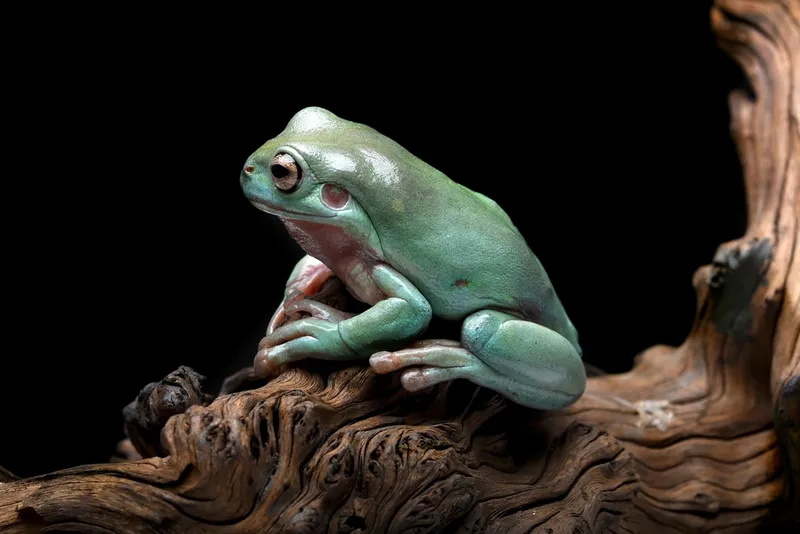
© Shutterstock
Low risk
These low-risk species can be a suitable pet if well cared for. Prospective owners should do more research to ensure it is a good pet for them.
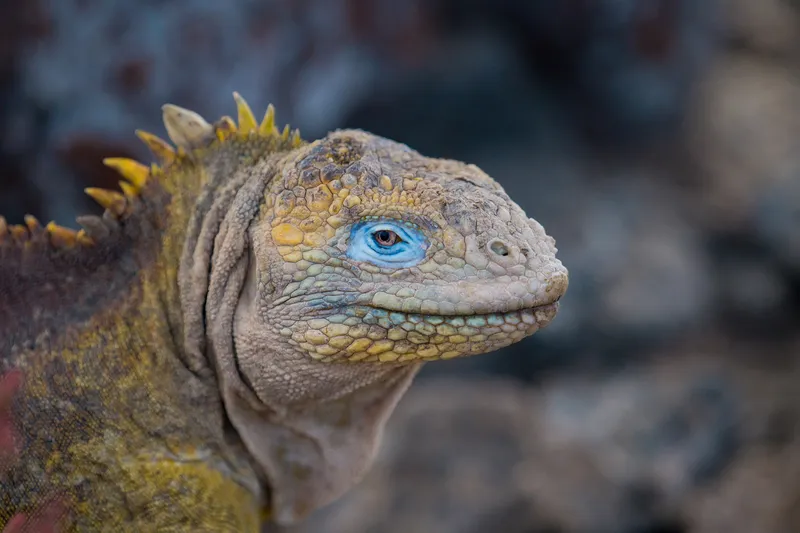
© M. BRIEF/ NATURAL HABITAT ADVENTURES
Moderate risk
Prospective owners of these moderate-risk species should research if they can safely keep the animal for its lifetime, including housing, proper food and veterinary care, and be sure it came from a legal source and is allowed in their jurisdiction.
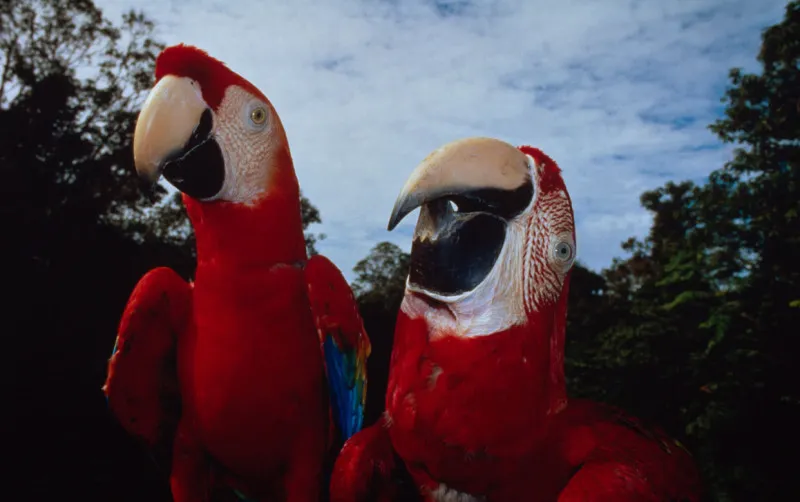
© Michel Roggo / WWF-Canon
High risk
These high-risk species are not suitable pets.