Guinea pig
Cavia porcellus
The risk associated with keeping this species as a pet is low. Guinea pigs are suitable pets if well cared for, but you can learn more below to check if it is a suitable pet for you.
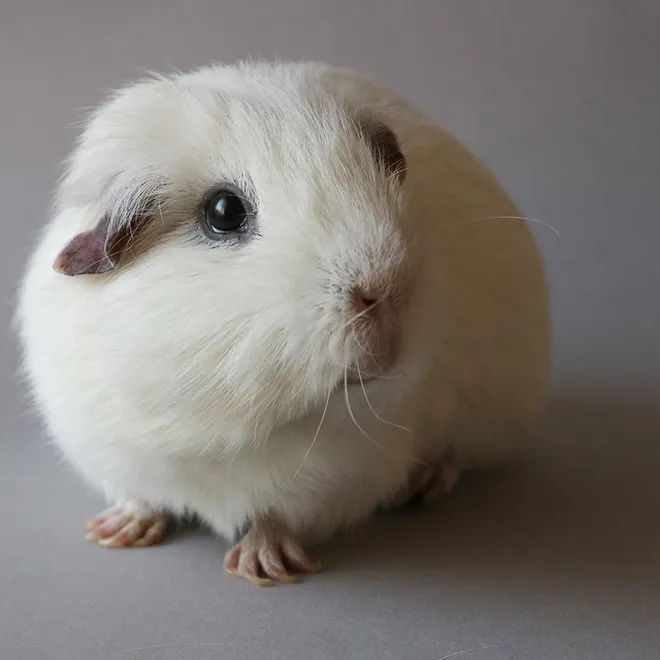
© Art Prof / Flickr.com / Creative Commons
Assessment results
Low risk

Conservation | Low risk
This animal is most likely not threatened by extinction, and/or the exotic pet trade does not impact the wild population. Please check that the animal you want comes from a reputable seller or rescue center that follows best practices when they source their animals.

Legality | Low risk
This animal is not currently protected by any national laws or import restrictions. Exotic pet ownership, however, is regulated at the state, county, or city level, so check your jurisdiction to see if you can own it.

Human and public health | Moderate risk
It is likely that this animal is a potential threat to human or public health, either due to potential zoonotic diseases or due to physical attributes that can harm humans. Learn more about animal-related illness and injuries.

Invasiveness | Moderate risk
This species could negatively impact native biodiversity or habitats. However, never release a pet into the wild for any reason. Learn more about invasive species.

Animal welfare | Moderate risk
Care, diet, and housing needs of this species are relatively easy to meet for its lifetime to ensure it has a good quality of life.
⚠️ Important considerations
- Most experts consider them to be domesticated, and they are not naturally found in the wild.
- They need time outside their cage for adequate exercise and mental stimulation, but can become stressed from excessive contact with owners and need a quiet environment.
Basic information
Taxonomy:
Rodentia, Caviidae
Lifespan:
In captivity, the average lifespan is 4-8 years.
Weight:
1-3 lbs (0.5- 1.4 kg)
Size:
8-16 in (20- 40 cm)
Native range and habitat:
Domesticated and does not exist naturally in the wild. There are many other members of the same genus that do.
Diet:
They are herbivores that feed on leafy vegetables, grasses and fruits. Forage barley and timothy hay are commonly used in captivity, along with pellets formulated for guinea pigs containing plant materials (barley and alfalfa) and necessary vitamins and minerals (such as vitamin C).
Activity and behavior:
- Guinea pigs are very social and prefer to live among other guinea pigs, but adults should only be housed together if they are a same-sex pair that was raised together.
- They are most active during the day, and spend much of their time grooming, foraging, and surveying their surroundings
- Guinea pigs have an extensive range of vocalizations that have different meanings. When they are very happy, they jump and twirl in the air. This is known as popcorning.
© WWF-Japan