Yellow canary
Serinus canaria
The risk associated with keeping this species as a pet is low. Canaries are suitable pets if well cared for, but you can learn more below to check if it is a suitable pet for you.
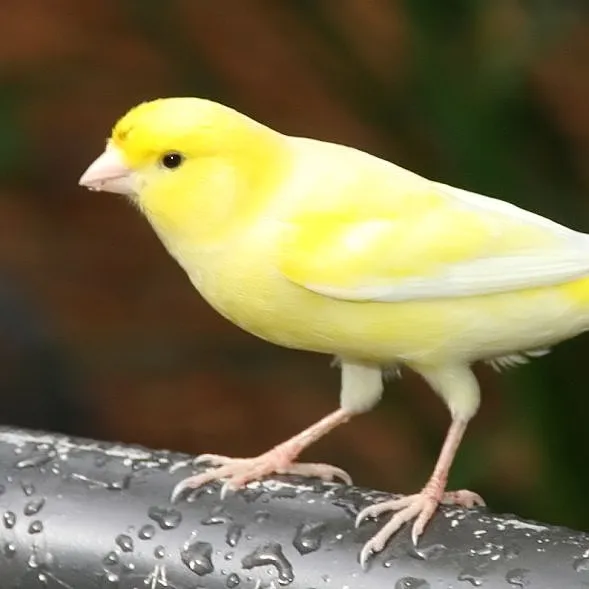
© Wikimedia Commons/David J. Stang
Assessment results
Low risk

Conservation | Low risk
This animal is most likely not threatened by extinction, and/or the exotic pet trade does not impact the wild population. Please check that the animal you want comes from a reputable seller or rescue center that follows best practices when they source their animals.

Legality | Low risk
This animal is not currently protected by any national laws or import restrictions. Exotic pet ownership, however, is regulated at the state, county, or city level, so check your jurisdiction to see if you can own it.

Human and public health | Moderate risk
It is likely that this animal is a potential threat to human or public health, either due to potential zoonotic diseases or due to physical attributes that can harm humans. Learn more about animal-related illness and injuries.

Invasiveness | Moderate risk
This species could negatively impact native biodiversity or habitats. However, never release a pet into the wild for any reason. Learn more about invasive species.

Animal welfare | Moderate risk
Care, diet, and housing needs of this species are either insufficiently known or difficult, making it hard to ensure it has a good quality of life for its lifetime. Learn more about the challenges with exotic pet welfare.
⚠️ Important considerations
- Canaries are non-destructive and relatively easy to care for but do not enjoy being handled, and their housing and diet needs require additional knowledge and effort. They need as large of a cage as possible, or ideally an aviary, to allow for plenty of exercise and space to fly between perches of various sizes and textures. They also enjoy investigating, and various objects can be hung around their cage and rotated daily for enrichment. Canaries can be prone to health issues related to poor diet, a dirty environment, drafts, or poor air quality.
- Ensure you have access to a veterinarian that specializes in birds and consult them about proper habitat set up, diet, and care. Find an avian vet near you
Basic information
Taxonomy:
Passeriformes, Fringillidae
Lifespan:
5-15 years
Weight:
12- 30 g
Size:
4-8 in (10- 20 cm) long, 8-9 in (20-23 cm) wingspan
Native range and habitat:
Macaronesian islands (Aszores, Madeira, and Canary)
Diet:
Seeds and a small amount of insects; in captivity, a high quality canary specific seed diet coated with vitamins, supplemented with some vegetables greens and fruits
Activity and behavior:
- They are a relatively solitary bird, and are okay with any housing arrangement except two males together in a single cage
- All males can sing starting between 3-6 months unless they become ill

© WWF-Japan