White’s tree frog/Australian green tree frog
Litoria caerulea
The risk associated with keeping this species as a pet is low. White's tree frogs can be suitable pets if well cared for, but you can learn more below to check if it is a suitable pet for you.
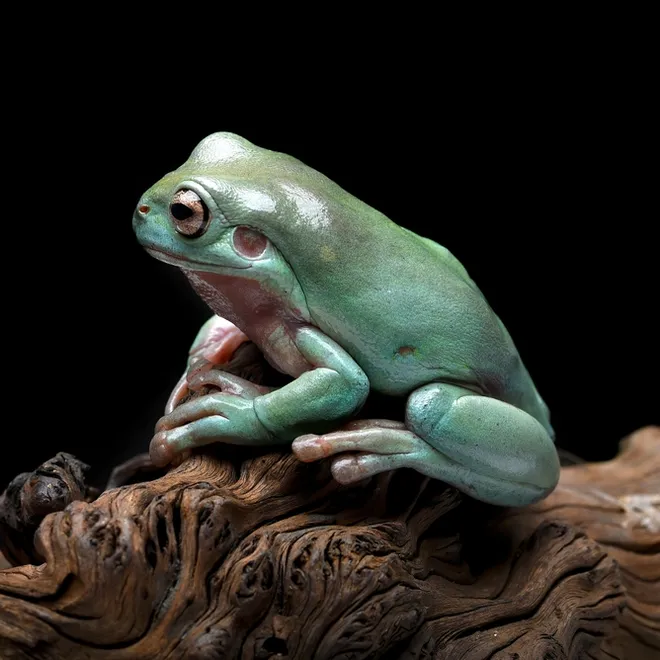
© Shutterstock
Assessment results
Low risk

Conservation | Low risk
This animal is most likely not threatened by extinction, and/or the exotic pet trade does not impact the wild population. Please check that the animal you want comes from a reputable seller or rescue center that follows best practices when they source their animals.

Legality | Moderate risk
It’s likely that the animal has some national legal protections or import restrictions; however, exotic pet ownership is regulated at the state, county, or city level, so check your jurisdiction to see if you can own it. Keeping these protected or prohibited species can have legal consequences for the owner, including fines or bans on pet ownership or sale. Learn more about relevant exotic pet trade and ownership laws.

Human and public health | Low risk
It is likely that this animal is not a threat to human or public health, but make sure to practice good hygiene when handling any animal.

Invasiveness | Low risk
This species would not likely impact native biodiversity or habitats. However, never release a pet into the wild for any reason.

Animal welfare | Moderate risk
Care, diet, and housing needs of this species are either insufficiently known or difficult, making it hard to ensure it has a good quality of life for its lifetime. Learn more about the challenges with exotic pet welfare.
⚠️ Important considerations
- White's tree frog housing and dietary needs require additional knowledge and effort. They need proper temperatures of 75-85ºF during the day and 65-75ºF at night with 70-90% humidity, a normal day/night light cycle, places to hide, and a shallow untippable bowl of dechlorinated water they can sit in.
- They can harbor salmonella and may not be suitable for young children or immuno-compromised individuals. Always practice good hygiene and hand washing around pets.
- They should not be handled, and if you must, non-powdered gloves should be worn since they have very sensitive skin.
- As with all pet amphibians, ensure there is access to a veterinarian that specializes in amphibians and consult them about proper habitat setup, diet, and care. Find an amphibian vet near you.
Basic information
Taxonomy:
Amphibia, Hylidae
Lifespan:
Up to 6 years
Weight:
2-5 g
Size:
1-2.5 in. (2.5- 6.3 cm)
Native range and habitat:
Freshwater, temperate, and terrestrial habitats of central to southeastern United States
Diet:
Insectivores that mainly consume flies, mosquitoes, and other small insects. In captivity, they should be fed a variety of gut loaded insects with vitamin and mineral supplementation.
Activity and behavior:
- White's tree frogs are an active species especially when the weather is moist and at night since they are nocturnal.
- They can be found in large groups during the breeding season but are solitary most of the year.

© WWF-Japan