Legislation on possession and trade of live animals
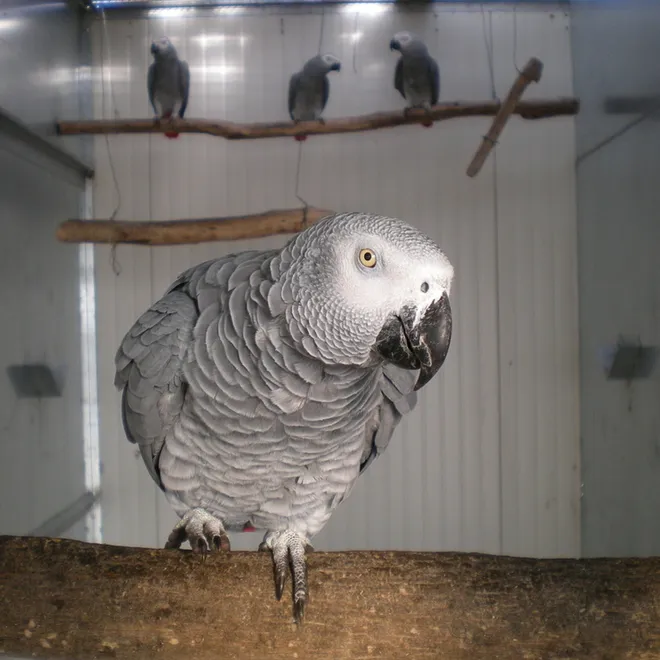
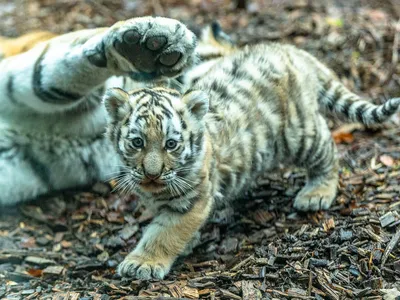
© Adriano ARGENIO / WWF-Italy
Whether to protect the public or wildlife, a number of laws exist at the federal, state, and local levels around collecting, owning, or trading certain species and any wild animals. Some animals cannot be imported to the US because they are considered damaging to agriculture, forestry, or wildlife, or because they can cause serious human disease or ecological damage.
The U.S. Fish and Wildlife Service (USFWS) and U.S. Department of Agriculture (USDA) are the relevant regulatory agencies in the U.S. They have many resources owners can reference to ensure they are following such laws, including on traveling across international borders with pets that may be subject to regulation. All wildlife imported into and exported from the U.S. must be declared to USFWS and follow their requirements.
Exotic pet ownership in the US is regulated at the state level, and sometimes even at the county or city level. Certain species that are endangered and protected by federal law, however, cannot be kept as pets no matter what state you are in. These laws are incredibly important from a conservation perspective. They help ensure that species populations in the wild are maintained as they may not be able to withstand unsustainable levels of trade. If these species experience further capture from the wild, they could become threatened or endangered. The hierarchy of laws around pet keeping can be confusing, but following laws and ordinances will protect you from legal consequences and fines and protect wildlife and your community. In some cases, offenders can be banned from keeping, selling, or importing pets.