Conservation of species in the wild
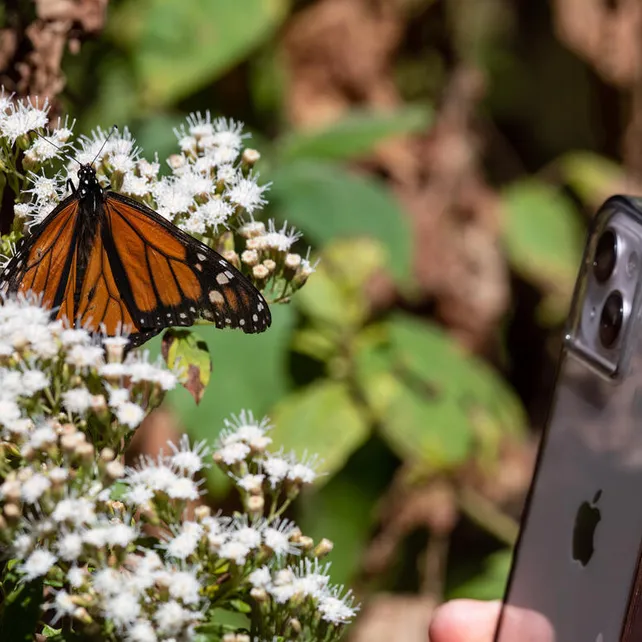
© WWF-US / McDonald Mirabile
You might wonder where your pet was born or where their ancestors and relatives are from. Ancestry.com doesn’t exist for exotic pets, but your pet store, rescue center, or breeder should be able to show you where their animals come from. Sourcing animals for the pet trade is a complicated topic - they can be harvested directly from the wild, raised in “ranching” facilities, or bred in captivity. While some species can be successfully bred in captivity, others are incredibly difficult due to stress, space limitations, or inability to provide the animal’s needs. Much of the pet trade is legal and sustainable and some wild-caught trade can be beneficial to the species and ecosystems in cases where it is sustaining communities and encouraging them to protect wildlife habitats. However, there is evidence of unsustainable and illegal sourcing of animals from the wild for the pet trade, which is a significant threat to global wildlife populations. As a consumer, it can be hard to know where your pet came from. A captive-bred pet from a reputable facility is the safest option when it comes to conservation, health, and safety concerns. But some pets like aquarium fish can be hard to find from a captive-bred source. You will be able to make the best decision by doing research and asking questions before obtaining a pet and finding a reputable seller that follows best practices and can prove your animal came from a legal source.
Though challenging at times to know your pet’s origin, you can be more confident in your decision by asking questions. Pet owners can take a few steps to ensure they are keeping their family and their pet’s family safe:
- Obtain your animal legally and directly from a reputable rescue center, breeder or supplier that can show where their animals come from and that follows best practices for the species they sell. An animal marked or tagged with a microchip or closed leg ring with a unique identification number, one with breeding certificates, or one from a legal rescue center are good indicators that your pet is legally sourced.
- Since information about the source of a pet can be confusing, make sure the species is not endangered. The International Union for Conservation of Nature (IUCN) Red List Assessments and the Convention on International Trade in Endangered Species of Wild Fauna and Flora (CITES) are helpful resources to understand a species’ status in the wild. Learn more on our Species and CITES pages. Species listed on CITES Appendix-I need special registration and permits to be captive-bred and imported or exported to the U.S., so extra caution should be taken if considering the purchase of one of these species.