Rabbit
Oryctolagus cuniculus domesticus
The risk associated with keeping this species as a pet is low. Rabbits can be suitable pets if well cared for, but you can learn more below to check if it is a suitable pet for you.
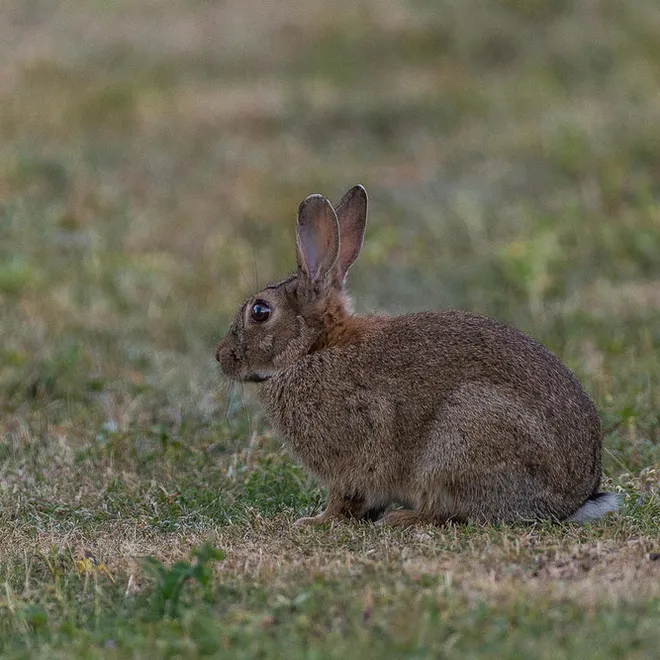
© Ola Jennersten / WWF-Sweden
Assessment results
Low risk

Conservation | Low risk
This animal is most likely not threatened by extinction, and/or the exotic pet trade does not impact the wild population. Please check that the animal you want comes from a reputable seller or rescue center that follows best practices when they source their animals.

Legality | Moderate risk
It’s likely that the animal has some national legal protections or import restrictions; however, exotic pet ownership is regulated at the state, county, or city level, so check your jurisdiction to see if you can own it. Keeping these protected or prohibited species can have legal consequences for the owner, including fines or bans on pet ownership or sale. Learn more about relevant exotic pet trade and ownership laws.

Human and public health | Low risk
It is likely that this animal is not a threat to human or public health, but make sure to practice good hygiene when handling any animal.

Invasiveness | Low risk
This species would not likely impact native biodiversity or habitats. However, never release a pet into the wild for any reason.

Animal welfare | Low risk
Care, diet, and housing needs of this species are relatively easy to meet for its lifetime to ensure it has a good quality of life.
⚠️ Important considerations
- The wild ancestor of the domesticated rabbit is invasive in many parts of the world and escaped or released domesticated rabbits have been found to establish feral populations as well. Ensure you have a secure enclosure for your rabbit and if you can no longer keep your pet, contact your local rescue center, responsible pet store, accredited zoo, veterinarian, or other trusted home to find someone that can take it in. Never release a pet outside, into the wild.
- Rabbits are active and playful, needing as much space as possible in their enclosure with various enrichment toys and plenty of supervised time outside their cage. They benefit from supervised outdoor activity in grass and plants that have not been treated with harmful chemicals, for exercise, grazing, and UV light exposure which may be important for optimal bone health.
- Ensure there is access to a veterinarian that specializes in rabbit care and consult them about proper habitat setup, diet, and care. They now require vaccinations for hemorrhagic disease. Find an exotic mammal vet near you.
Basic information
Taxonomy:
Lagomorpha, Leporidae
Lifespan:
6-13 years
Weight:
2-10 lbs. (1-5 kg), varying greatly depending on the breed
Size:
8- 20 in. (20-50 cm) in length, varying greatly depending on the breed
Native range and habitat:
Domesticated rabbits descended from the European Rabbit (Oryctolagus cuniculus) which is native to forest, savanna, shrubland, and grasslands of France, Portugal, and Spain
Diet:
85% hay and fresh grass, 10% dark leafy greens and vegetables, 5% rabbit specific pellets
Activity and behavior:
- Rabbits are social animals and should be kept in at least pairs with proper introductions and space, along with daily social time to play with their owner
- Diurnal, meaning they are most active during the day
© WWF-Japan