Cheetah
Acinonyx jubatus
There is a high risk associated with keeping this species as a pet. This is not a suitable pet.
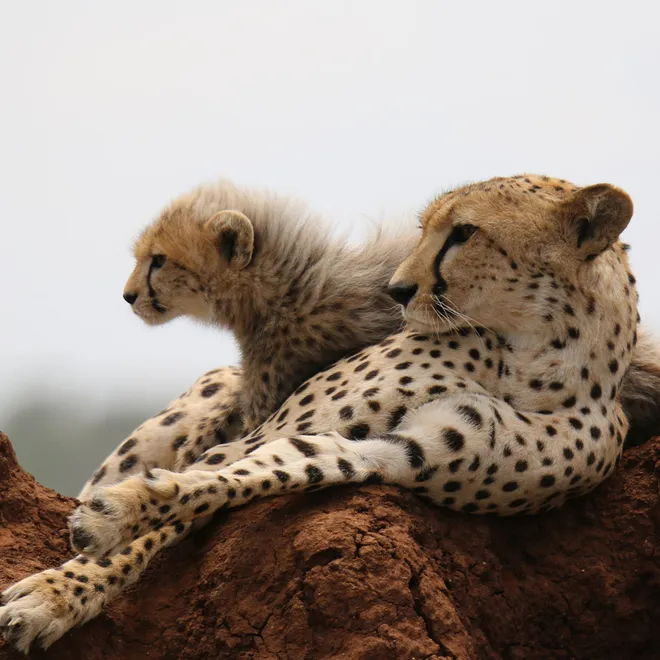
© Jeff Colton
Assessment results
High risk

Conservation | Low risk
This animal is most likely not threatened by extinction, and/or the exotic pet trade does not impact the wild population. Please check that the animal you want comes from a reputable seller or rescue center that follows best practices when they source their animals.

Legality | High risk
This animal is either protected by national law, is restricted to import into the US, and/or many states do not allow ownership. Keeping these protected or prohibited species can have legal consequences for the owner, including fines or bans on pet ownership or sale. Learn more about relevant exotic pet trade and ownership laws.

Human and pubilc health | High risk
It is likely that this animal is a threat to human or public health due to potential life-threatening zoonotic diseases and physical attributes that can harm humans. Learn more about animal-related illness and injuries.

Invasiveness | Low risk
This species would not likely impact native biodiversity or habitats. However, never release a pet into the wild for any reason.

Animal welfare | High risk
Care, diet, and housing needs of this species are extremely difficult to meet for its lifetime, and potential owners are unlikely to be able to provide a good quality of life. Learn more about the challenges with exotic pet welfare.
⚠️ Important considerations
- Cheetahs are a vulnerable species with declining wild populations due to habitat loss and poaching for illegal trade as pets and for their products.
- It is illegal to buy, sell, privately own, or interact with cheetahs in the US as of 2022 with the passing of the Big Cat Public Safety Act. Privately owned big cats obtained before December 2022 must be registered with the US Fish and Wildlife Service.
- Cheetahs possess speed and strength, large teeth, and claws that can cause life-threatening harm to humans and will show harmful behavior toward humans in close proximity, to protect themselves.
- Big cat housing and dietary needs are very hard to meet in captivity and are financially expensive and time-consuming, estimated to cost over $100,000 USD in the first year and over $10,000 each subsequent year. They need a very large amount of outdoor space to roam.
- As with all exotic mammals, when keeping a pet, ensure there is access to a veterinarian that specializes in their care and consult them about proper habitat setup, diet, and care. Find an exotic mammal vet near you.
Basic information
Taxonomy:
Carnivora, Felidae
Lifespan:
8-10 years in the wild, 12-15 years in zoos
Weight:
75-125 lbs. (34- 57 kg)
Size:
3-5 ft. (1-1.5 m) long, up to 7.5 ft (2.3 m) with their tail
Native range and habitat:
Grasslands, mountains, and deserts of southern and eastern Africa with a small critically endangered population of Asiatic cheetahs in Iran. This is only about 10% of their historic range.
Diet:
Smaller mammals like ungulates, and birds
Activity and behavior:
- Cheetahs have a unique social structure with females living independently or with their cubs, who stay with their mother until about 18 months of age. Males, on the other hand, often live in groups of two to three related or other males, or sometimes solitarily.
- Cheetahs are the fastest land mammal and skilled hunters, mainly hunting in the early morning and late afternoon as they are diurna.
© WWF-Japan
© WWF-US / WWFGifts
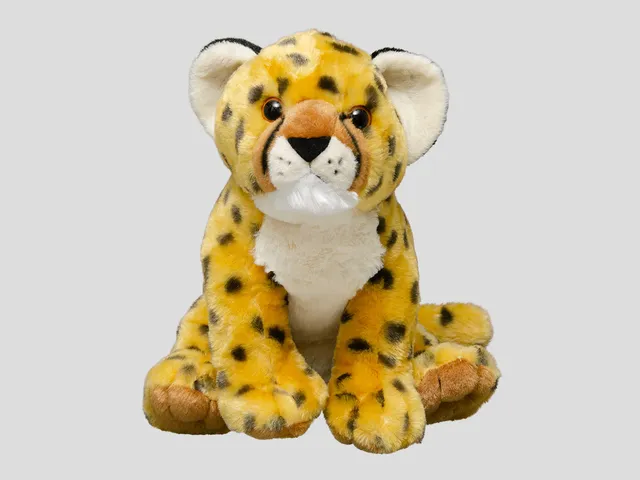
Adopt a cheetah
Support WWF’s global efforts to protect wild animals and their habitats and choose from kits with plush and more.