Dwarf hamster
Phodopus spp.
The risk associated with keeping this species as a pet is low. Dwarf hamsters are suitable pets if well cared for, but you can learn more below to check if it is a suitable pet for you.
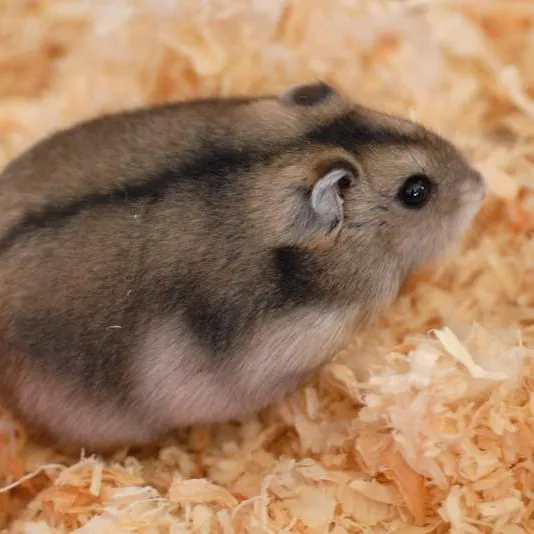
© Wikimedia Commons/Philipp Salzgeber
Assessment results
Low risk

Conservation | Low risk
This animal is most likely not threatened by extinction, and/or the exotic pet trade does not impact the wild population. Please check that the animal you want comes from a reputable seller or rescue center that follows best practices when they source their animals.

Leaglity | Low risk
This animal is not currently protected by any national laws or import restrictions. Exotic pet ownership, however, is regulated at the state, county, or city level, so check your jurisdiction to see if you can own it.

Human and public health | Moderate risk
It is likely that this animal is a potential threat to human or public health, either due to potential zoonotic diseases or due to physical attributes that can harm humans. Learn more about animal-related illness and injuries.

Invasiveness | Low risk
This species would not likely impact native biodiversity or habitats. However, never release a pet into the wild for any reason.

Animal welfare | Low risk
Care, diet, and housing needs of this species are relatively easy to meet for its lifetime to ensure it has a good quality of life.
⚠️ Important considerations
- Most experts consider them to be domesticated, but can easily get stressed and will give a painful bite if startled, so should be handled slowly and gently to establish trust.
- They can squeeze their bodies through openings as big as their head, so may be prone to escaping.
- Their teeth grow continuously throughout their life, so they need to chew on hard objects to prevent overgrowth.
Basic information
Taxonomy:
Rodentia, Cricetidae
* Dwarf hamsters including Roborovski, Syrian, Djungarian, Russian, and Chinese hamsters
Lifespan:
2-3 years
Weight:
0.2-0.3 lbs (85- 150 g)
Size:
2-4 in (7-10 cm)
Native range and habitat:
Central Asia
Diet:
Omnivore; in captivity they should eat hamster lab blocks and limited amounts of grains, vegetables, and fruits.
Activity and behavior:
- Dwarf hamsters have high energy and are most active at night when people are sleeping, so ensure they have a quiet wheel to run on.
- They love to burrow and hide, and need an environment to do so.
- They are known to be social and live in groups.
© WWF-Japan