Fennec fox
Vulpes zerda
There is moderate risk associated with keeping this species as a pet, as explained below. Prospective pet owners should research if they can safely keep the animal for its lifetime, including housing, proper food and veterinary care, and be sure it came from a legal source and can legally be kept.
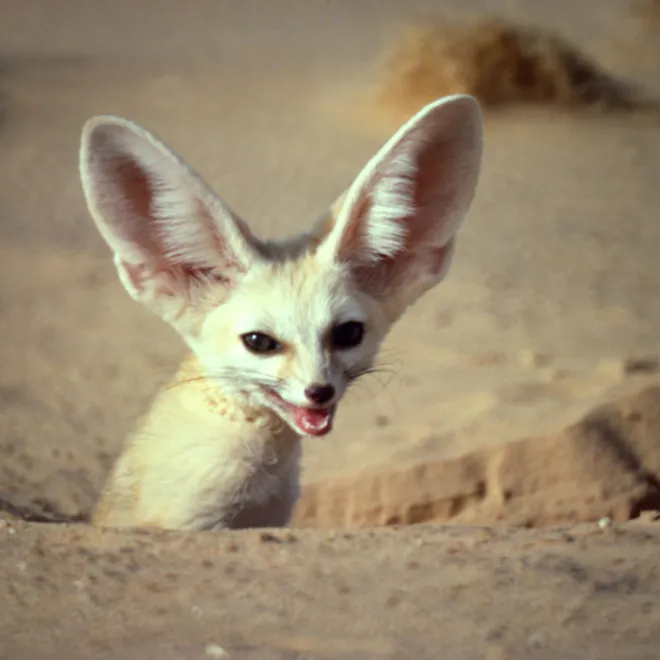
© John E. Newby / WWF
Assessment results
Moderate risk

Conservation | Low risk
This animal is most likely not threatened by extinction, and/or the exotic pet trade does not impact the wild population. Please check that the animal you want comes from a reputable seller or rescue center that follows best practices when they source their animals.

Legality | Low risk
This animal is not currently protected by any national laws or import restrictions. Exotic pet ownership, however, is regulated at the state, county, or city level, so check your jurisdiction to see if you can own it.

Human and public health | Moderate risk
It is likely that this animal is a potential threat to human or public health, either due to potential zoonotic diseases or due to physical attributes that can harm humans. Learn more about animal-related illness and injuries.

Invasiveness | Low risk
This species would not likely impact native biodiversity or habitats. However, never release a pet into the wild for any reason.

Animal welfare | High risk
Care, diet, and housing needs of this species are extremely difficult to meet for its lifetime, and potential owners are unlikely to be able to provide a good quality of life. Learn more about the challenges with exotic pet welfare.
⚠️ Important considerations
- Check your local laws on fennec fox ownership. Laws on pet ownership vary at the city, county and state level in the US and it is illegal or you need proper permits to keep a fennec fox as a pet in some states and municipalities.
- They are not domesticated, do not enjoy being handled, and can exhibit harmful behaviors toward humans out of fear.
- Their housing, diet, and social needs are very hard to meet in captivity, and are financially expensive and time consuming. Fennec foxes need a lot of room for running and exercise, and can be destructive if bored. They require warm temperatures, at least above 68 degrees Fahrenheit, low humidity and an adequate amount of the amino acid taurine in their diet. If these needs are not met, they may develop ringworm or other diseases.
- Not all vets are appropriately qualified to provide care for fennec foxes, so make sure you have access to a specialist that can. Find an exotic mammal vet near you.
Basic information
Taxonomy:
Carnivora, Canidae
Lifespan:
Maximum lifespan is 10 years in the wild and about 12 years in captivity.
Weight:
1.8-3 lbs (0.8-1.5 kg)
Size:
12-15 in (30-40 cm)
Native range and habitat:
Arid and semi-arid deserts in northern Africa.
Diet:
Omnivore—they feed on small mammals and birds, eggs, and insects, as well as plant leaves, berries, and roots.
Activity and behavior:
- Highly social, living in family groups of up to 10 animals, including one or more breeding pairs.
- Most active at night when people are asleep, and will mark their territory with urine
- They are hunters that dig burrows.
© WWF-Japan