Pygmy slow loris
Nycticebus pygmaeus
There is a high risk associated with keeping this species as a pet. This is not a suitable pet.
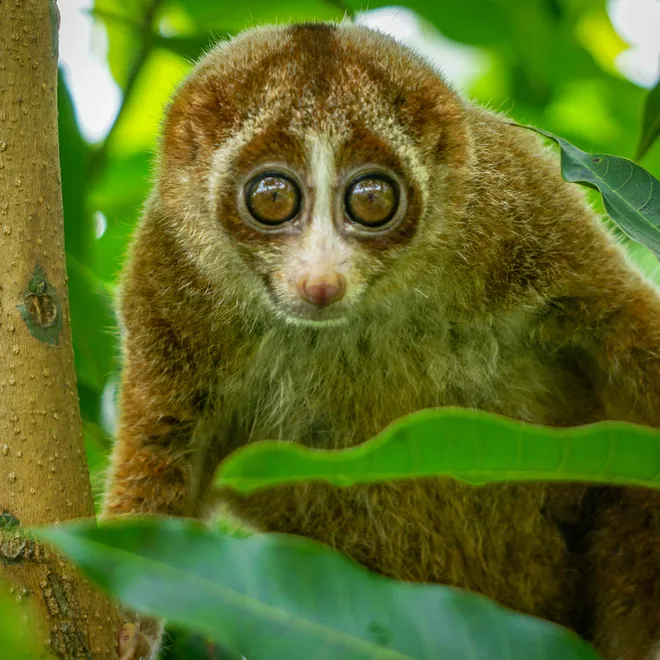
© Shutterstock
Assessment results
High risk

Conservation | High risk
This animal is threatened by extinction in the wild, and there is global demand which is creating potentially more unsustainable and illegal poaching of the species. By having it as a pet creates more demand for these animals, which can worsen their situation in the wild. Learn more about wildlife conservation and the pet trade.

Legality | High risk
This animal is either protected by national law, is restricted to import into the US, and/or many states do not allow ownership. Keeping these protected or prohibited species can have legal consequences for the owner, including fines or bans on pet ownership or sale. Learn more about relevant exotic pet trade and ownership laws.

Human and public health | High risk
It is likely that this animal is a threat to human or public health due to potential life-threatening zoonotic diseases and physical attributes that can harm humans. Learn more about animal-related illness and injuries.

Invasiveness | High risk
This species would not likely impact native biodiversity or habitats. However, never release a pet into the wild for any reason.

Animal welfare | High risk
Care, diet, and housing needs of this species are extremely difficult to meet for its lifetime, and potential owners are unlikely to be able to provide a good quality of life. Learn more about the challenges with exotic pet welfare.
⚠️ Important considerations
- Pygmy Slow Loris populations are declining in the wild and they are an endangered species, targeted for the illegal pet trade and traditional medicine products.
- Check your local laws on slow loris ownership. In most US states, primate ownership is illegal or restricted. It is also illegal to import any non-human primate to the US for pet trade.
- Slow lorises, especially those that come from the wild, are known to carry zoonotic diseases that can be life threatening to humans. In addition, pygmy slow lorises are venomous with glands secreting toxins that they can lick and give a venomous bite.
- To 'tame' primates as pets, babies are often taken from their mother when they are a few days old. Slow lorises need to be reared by their mother and experience further stress by human handling and the lifestyle in a person's home. Their teeth are also removed by poachers to prevent their venomous bite.
- Their housing, diet, and social needs are very hard to meet in captivity and are financially expensive and time consuming. They are not domesticated, hard to train, and do very poorly, experiencing high stress, in these conditions. They face many nutritional issues due to improper diet in captivity. Large outdoor facilities are the best environment for slow lorises in captivity, and they should not be handled once adults.
- As with all exotic mammals, when keeping a pet, ensure there is access to a veterinarian that specializes in their care and consult them about proper habitat setup, diet, and care. Find an exotic mammal vet near you.However, very few pet veterinarians are familiar with primate veterinary care.
Basic information
Taxonomy:
Primates, Lorisidae
Lifespan:
10-20 years
Weight:
~1 lb. (0.45 kg)
Size:
6-10 in. (15-25 cm) long
Native range and habitat:
Deciduous and evergreen forests
Diet:
Tree gum, saps and nectar, along with insects, fruit, and small animals
Activity and behavior:
- Spend most of their time in the trees, feeding on sap nightly
- Nocturnal, sleeping during the day in a tree hollow and roaming most of the night when warmer, and sleeping longer in the cooler months.
- Solitary animals that are often found living by themselves, coming together in larger groups to mate
© WWF-Japan