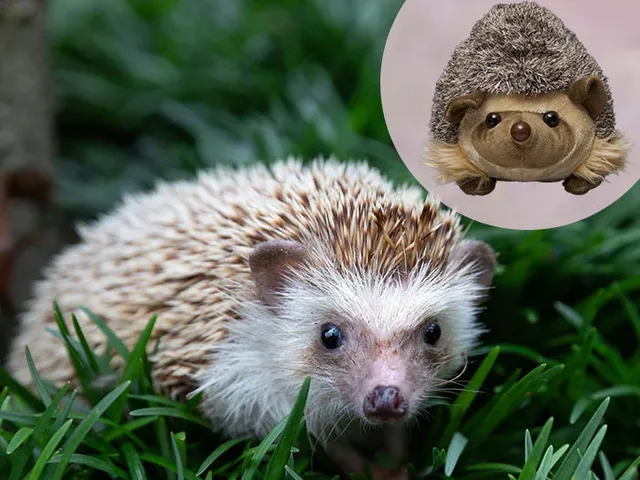
Four-toed hedgehog
Atelerix albiventris
The risk associated with keeping this species as a pet is low. Hedgehogs are suitable pets if well cared for, but you can learn more below to check if it is a suitable pet for you.
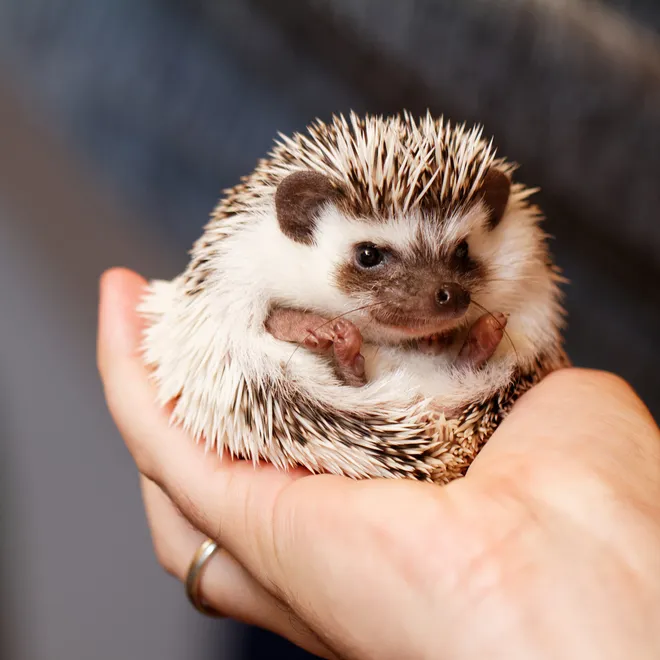
© Shutterstock/Nneirda
Assessment results
Low risk

Conservation | Low risk
This animal is most likely not threatened by extinction, and/or the exotic pet trade does not impact the wild population. Please check that the animal you want comes from a reputable seller or rescue center that follows best practices when they source their animals.

Legality | Moderate risk
It’s likely that the animal has some national legal protections or import restrictions; however, exotic pet ownership is regulated at the state, county, or city level, so check your jurisdiction to see if you can own it. Keeping these protected or prohibited species can have legal consequences for the owner, including fines or bans on pet ownership or sale. Learn more about relevant exotic pet trade and ownership laws.

Human and public health | Moderate risk
It is likely that this animal is a potential threat to human or public health, either due to potential zoonotic diseases or due to physical attributes that can harm humans. Learn more about animal-related illness and injuries.

Invasiveness | Moderate risk
This species would not likely impact native biodiversity or habitats. However, never release a pet into the wild for any reason.

Animal welfare | Low risk
Care, diet, and housing needs of this species are relatively easy to meet for its lifetime to ensure it has a good quality of life.
⚠️ Important considerations
- Check your local laws on hedgehog ownership. Laws on pet ownership vary at the city, county and state level in the US and it is illegal or you need proper permits to keep a hedgehog as a pet in some states and municipalities.
- Hedgehogs are known to carry and spread diseases to humans. Make sure to follow hygienic practices during and after handling like hand washing.
- They needs lots of exercise and should be provided a wheel in captivity.
- Ensure you have access to a veterinarian specializing in exotic mammals and consult them about proper habitat set up, diet, and care. Find an exotic mammal vet near you.
Basic information
Taxonomy:
Erinaceomorpha, Erinaceidae
Lifespan:
About 2-3 years in the wild, but 8-10 years old in captivity.
Weight:
0.5-1.5 lbs (230- 680 g)
Size:
6-11 in (15-28 cm)
Native range and habitat:
Central Africa
Diet:
Omnivorous, but mainly insectivorous. Feeds on spiders, insects, and other invertebrates, and may eat small amounts of plants and small vertebrates. In captivity, they eat specially formulated pellets, crickets, mealworms, fruits, and vegetables.
Activity and behavior:
- Hedgehogs are solitary and may fight with other hedgehogs, so they should be housed alone.
- Hedgehogs are most active at night when people are sleeping and should be provided an exercise wheel in captivity to allow for exercise.
- When they sense danger, they curl into a ball and raise their spines for protection.
- When the temperature becomes very high or very low, they go into hibernation or summer sleep.
- When a hedgehog gets introduced to a new scent or food, it begins to froth at the mouth and spreads its saliva over its spines. This may be stress release or a form of protection.
© WWF-Japan