Cockatiel
Nymphicus hollandicus
The risk associated with keeping this species as a pet is low. Cockatiels can be suitable pets if well cared for, but you can learn more below to check if it is a suitable pet for you.
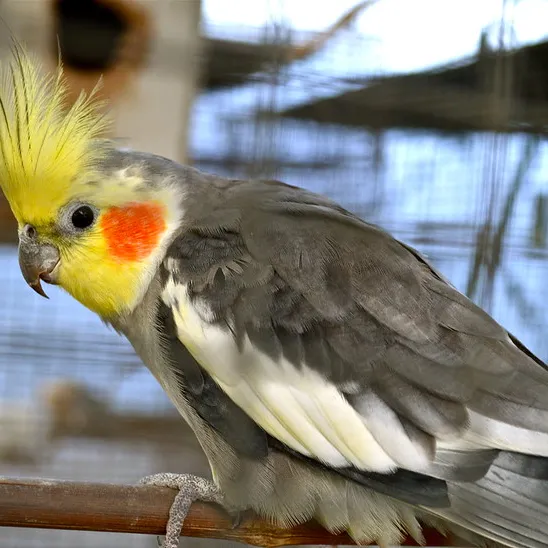
© Marilyn Brinker / Flickr.com / Creative Commons
Assessment results
Low risk

Conservation | Low risk
This animal is most likely not threatened by extinction, and/or the exotic pet trade does not impact the wild population. Please check that the animal you want comes from a reputable seller or rescue center that follows best practices when they source their animals.

Legality | Low risk
This animal is not currently protected by any national laws or import restrictions. Exotic pet ownership, however, is regulated at the state, county, or city level, so check your jurisdiction to see if you can own it.

Human and public health | Moderate risk
It is likely that this animal is a potential threat to human or public health, either due to potential zoonotic diseases or due to physical attributes that can harm humans. Learn more about animal-related illness and injuries.

Invasiveness | Low risk
This species would not likely impact native biodiversity or habitats. However, never release a pet into the wild for any reason.

Animal welfare | Moderate risk
Care, diet, and housing needs of this species are either insufficiently known or difficult, making it hard to ensure it has a good quality of life for its lifetime. Learn more about the challenges with exotic pet welfare.
⚠️ Important considerations
- Not suitable for people with asthma or allergies due to significant dandruff.
- This bird has a long lifespan of up to 25 years, so consider the financial and time commitment needed to care for your pet its whole life.
- Cockatiels need exposure to UV light, and one designed for birds should shine on the habitat 10-12 hours a day. Placing them in a window is not sufficient since windows often filter out UV rays.
- Cockatiels are very intelligent and need enrichment. They are also gentle and affectionate, but timid and prone to panic when surprised.
- Ensure you have access to a veterinarian that specializes in birds and consult them about proper habitat set up, diet, and care. Find an avian vet near you.
Basic information
Taxonomy:
Psittaciformes, Psittacidae
Lifespan:
In the wild, they live between 10-14 years. In captivity, they can live 15-25 years.
Weight:
0.15- 0.2 lbs (80-90 g)
Size:
10-14 in (25- 35 cm) long and 12-15 in (30- 35 cm) wingspan
Native range and habitat:
Widely distributed in Australian forests, savanna, grasslands, shrublands, and human-made environments. Also introduced to Puerto Rico.
Diet:
Herbivorous--their staple food is seeds, but they also eat fruits and insects. In captivity, formulated pellets should make up most of their diet, plus fresh fruits and vegetables, and a small amount of fortified seeds as an occasional treat.
Activity and behavior:
- They are highly social birds, pairing up early and operating in large flocks of up to several thousand birds. Pairs, small groups of 6-8 birds, or large flocks of several hundred birds forage on the ground.
- They are most active during the day, very intelligent, and timid by nature.
- They need to bathe and should be provided a shallow water dish in captivity.
© WWF-Japan