Sulfur-crested cockatoo
Cacatua galerita
There is a high risk associated with keeping this species as a pet. This is not a suitable pet.
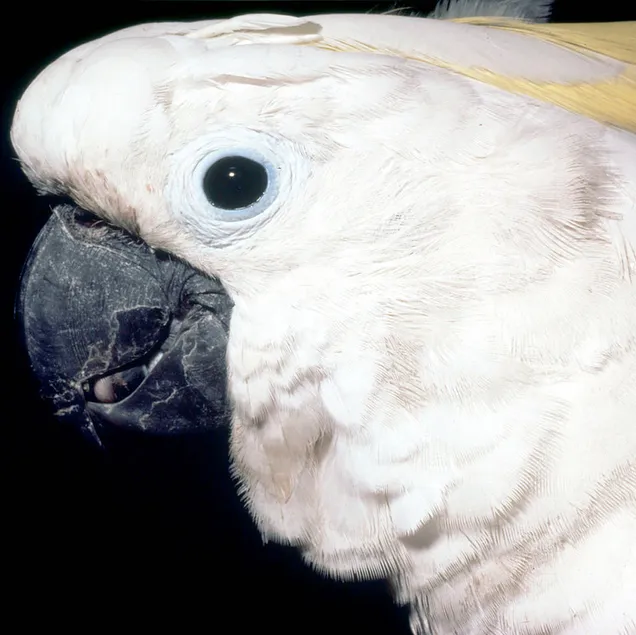
© Ian Craven / WWF
Assessment results
High risk

Conservation | Moderate risk
This animal is likely to be threatened by extinction in the wild, and/or it is subject to international trade controls due to demand in the pet trade. Please check that the animal you want comes from a reputable seller or rescue center that follows best practices when they source their animals. Learn more about wildlife conservation and the pet trade.

Legality | Moderate risk
It’s likely that the animal has some national legal protections or import restrictions; however, exotic pet ownership is regulated at the state, county, or city level, so check your jurisdiction to see if you can own it. Keeping these protected or prohibited species can have legal consequences for the owner, including fines or bans on pet ownership or sale. Learn more about relevant exotic pet trade and ownership laws.

Human and public health | Moderate risk
It is likely that this animal is a threat to human or public health due to potential life-threatening zoonotic diseases and physical attributes that can harm humans. Learn more about animal-related illness and injuries.

Invasiveness | Moderate risk
This species could negatively impact native biodiversity or habitats. However, never release a pet into the wild for any reason. Learn more about invasive species.

Animal welfare | Moderate risk
Care, diet, and housing needs of this species are extremely difficult to meet for its lifetime, and potential owners are unlikely to be able to provide a good quality of life. Learn more about the challenges with exotic pet welfare.
⚠️ Important considerations
- Sulfur-crested cockatoos are generally considered abundant in the wild, but their populations are declining, and they are restricted for import to the US.
- Sulfur-crested cockatoos are large, noisy and long-lived. Their housing, diet, and social needs are hard to meet in captivity. They need hours of stimulation and social time outside of their cage each day, along with a rotating variety of toys, puzzles, perches, and space to fly. Feather destructive behavior is a common problem in Sulfur-crested cockatoos from not having their care needs met. Ideally, they should be housed with multiple individuals in a large aviary for flight space.
- Though not currently considered an invasive species in the United States, but if you can no longer keep your pet, contact your local rescue center, responsible pet store, accredited zoo, veterinarian, or other trusted home to find someone that can take it in. Never release a pet outside, into the wild.
- As with all pet birds, ensure there is access to a veterinarian that specializes in birds and consult them about proper habitat set up, diet, and care. Find an avian vet near you.
Basic information
Taxonomy:
Psittaciformes, Psittacidae
Lifespan:
40 years on average and up to 100 years in the wild, 65 years on average and up to 120 years in captivity
Weight:
25-34 oz. (0.7-1 kg)
Size:
20 in. (51 cm) on average
Native range and habitat:
Tropical and subtropical rainforests and savannas of northern and eastern Australia
Diet:
Seeds, nuts, fruits, blossoms, insects, and insect larvae
Activity and behavior:
- Social birds that often live in flocks of 12 to several hundred individuals
- Most active and feed early and late in the day, traveling long distances to forage and staying sheltered during the middle of the day, and then returning to their original roost site.
© WWF-Japan