Gray parrot
Saimiri sciureus
There is a high risk associated with keeping this species as a pet. This is not a suitable pet.
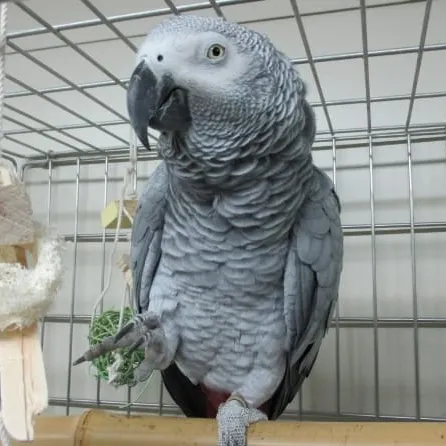
© Certified NPO TSUBASA
Assessment results
High risk

Conservation | Moderate risk
This animal is threatened by extinction in the wild, and there is global demand which is creating potentially more unsustainable and illegal poaching of the species. By having it as a pet creates more demand for these animals, which can worsen their situation in the wild. Learn more about wildlife conservation and the pet trade.

Legality | High risk
This animal is either protected by national law, is restricted to import into the US, and/or many states do not allow ownership. Keeping these protected or prohibited species can have legal consequences for the owner, including fines or bans on pet ownership or sale. Learn more about relevant exotic pet trade and ownership laws.

Human and public health | Moderate risk
It is likely that this animal is a potential threat to human or public health, either due to potential zoonotic diseases or due to physical attributes that can harm humans.Learn more about animal-related illness and injuries.

Invasiveness | Low risk
This species would not likely impact native biodiversity or habitats. However, never release a pet into the wild for any reason.

Animal welfare | High risk
Care, diet, and housing needs of this species are extremely difficult to meet for its lifetime, and potential owners are unlikely to be able to provide a good quality of life. Learn more about the challenges with exotic pet welfare.
⚠️ Important considerations
- Gray parrot (also called African gray parrots) populations are declining in the wild, targeted for poaching and illegal pet trade, and they are an endangered species. However, they can be captive bred with a proper set up and legal and legitimate breeding facilities exist. Make sure to obtain pet birds from a reputable captive breeding source.
- Check your local laws on gray parrot ownership. Laws on pet ownership vary at the city, county and state level in the US and it is illegal or you need proper permits to keep a gray parrot as a pet in some states and municipalities.
- Their housing, diet, and social needs are hard to meet in captivity. African gray parrots need hours of stimulation and social time each day, a reliable schedule, and room to fly. They are prone to behavioral and health issues without proper care.
- This bird has a long lifespan of up to 60 years, so consider the financial and time commitment needed to care for your pet its whole life.
- Ensure you have access to a veterinarian that specializes in birds and consult them about proper habitat setup, diet, and care. Find an avian vet near you.
Basic information
Taxonomy:
Psittaciformes, Psittacidae
Lifespan:
In the wild, their average lifespan is 22.7 years. While in captivity, they can live to be 40-60 years old.
Weight:
0.5-1.5 lb (230-680 g)
Size:
12-16 in (30-40 cm) long, 18- 20.5 in (45- 52 cm) wingspan
Native range and habitat:
Inhabits forested areas of Central and West Africa, including Principe Island (Gulf of Guinea)
Diet:
Herbivorous with the main diet in the wild consisting of nuts, oil palm, fruits, leaves, insects, bark, and flowers. In captivity, they should be fed a high-quality formulated diet, supplemented by leafy greens, fruits, and vegetables.
Activity and behavior:
- A very social bird, they nest in large groups of up to 10,000 individuals and feed in smaller groups of up to 30.
- A very social bird, they nest in large groups of up to 10,000 individuals and feed in smaller groups of up to 30.
- They are most active during the day and divide into small groups to travel long distances to forage.
- Young birds are cared for by older birds for several years.
- They have high cognitive abilities and are considered one of the most intelligent species.
© WWF-Japan