Chinchilla
Chinchilla spp.
There is moderate risk associated with keeping this species as a pet, as explained below. Prospective pet owners should research if they can safely keep the animal for its lifetime, including housing, proper food and veterinary care, and be sure it came from a legal source and can legally be kept.
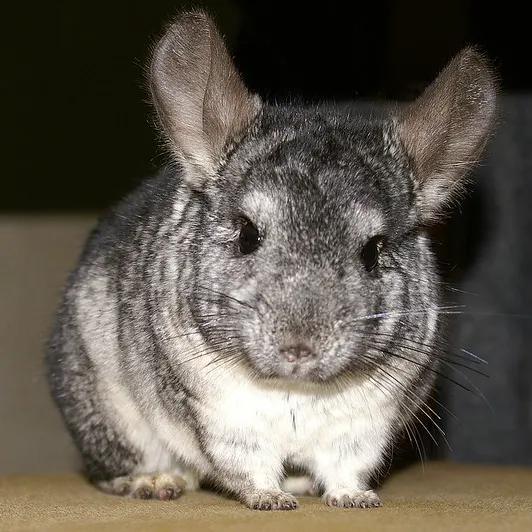
© Filipe Ramos / Flickr.com / Creative Commons
Assessment results
Moderate risk

Conservation | Low risk
This animal is most likely not threatened by extinction, and/or the exotic pet trade does not impact the wild population. Please check that the animal you want comes from a reputable seller or rescue center that follows best practices when they source their animals.

Legality | Moderate risk
It’s likely that the animal has some national legal protections or import restrictions; however, exotic pet ownership is regulated at the state, county, or city level, so check your jurisdiction to see if you can own it. Keeping these protected or prohibited species can have legal consequences for the owner, including fines or bans on pet ownership or sale. Learn more about relevant exotic pet trade and ownership laws.

Human and public | Moderate risk
It is likely that this animal is a potential threat to human or public health, either due to potential zoonotic diseases or due to physical attributes that can harm humans. Learn more about animal-related illness and injuries.

Invasiveness | Low risk
This species would not likely impact native biodiversity or habitats. However, never release a pet into the wild for any reason.

Animal welfare | High risk
Care, diet, and housing needs of this species are extremely difficult to meet for its lifetime, and potential owners are unlikely to be able to provide a good quality of life. Learn more about the challenges with exotic pet welfare.
⚠️ Important considerations
- Chinchillas are domesticated, but not suited for all households as their housing, diet, and social needs are hard to meet. They are messy, destructive, and need a significant amount of exercise outside of their cage. Most health issues arise due to poor living conditions and an unbalanced diet that is common in captivity, heart murmurs being a common issue seen. Their thick, soft fur protects them from the colder elements in their wild habitat, but in captivity it makes them susceptible to overheating and fungal skin infections when stressed, so they need cool temperatures and very low humidity. Their fur needs dust bathing 2-3 times a week to stay healthy as well and fur chewing or loss can be a sign of stress, boredom or poor diet.
- They are generally shy animals, so are best for older children or adults and need plenty of quiet space.
- Ensure you have access to a veterinarian specializing in exotic mammals and consult them about proper habitat setup, diet, and care. Find an exotic mammal vet near you.
Basic information
Taxonomy:
Rodentia, Chinchillidae
Lifespan:
In the wild, they live about 10 years, and in captivity, up to 20 years, though generally 12-14.
Weight:
1-2 lbs (450- 900 g)
Size:
8-15 in (20-40 cm) long with a tail length of 3-6 in (7- 15 cm)
Native range and habitat:
Andes mountains and the grasslands of northern Chile
Diet:
Herbivore--feeds on a high fiber diet of a variety of plant species, mostly grasses and seeds. They also eat insects and bird eggs. In captivity, they are fed grass hay, alfalfa, wheat, corn, oats, and pellets formulated for chinchillas.
Activity and behavior:
- In the wild, they are social animals and are known to live in groups of 100 or more and in captivity do best in small groups of the same sex.
- They are most active at dusk and throughout the night when people are asleep, and are very high energy animals.
- Females are aggressive during the breeding season.
© WWF-Japan