Publications
-
-
-
-
-
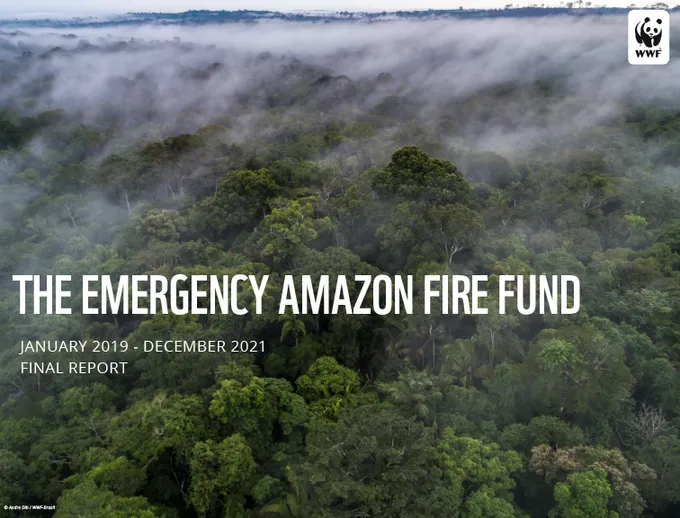
In 2019, the Amazon captured the world‚'s attention as fires tore through the world‚'s largest rain forest. This report outlines what enabled these fires, and what actions WWF and partners have taken to aid in response and recovery.
-
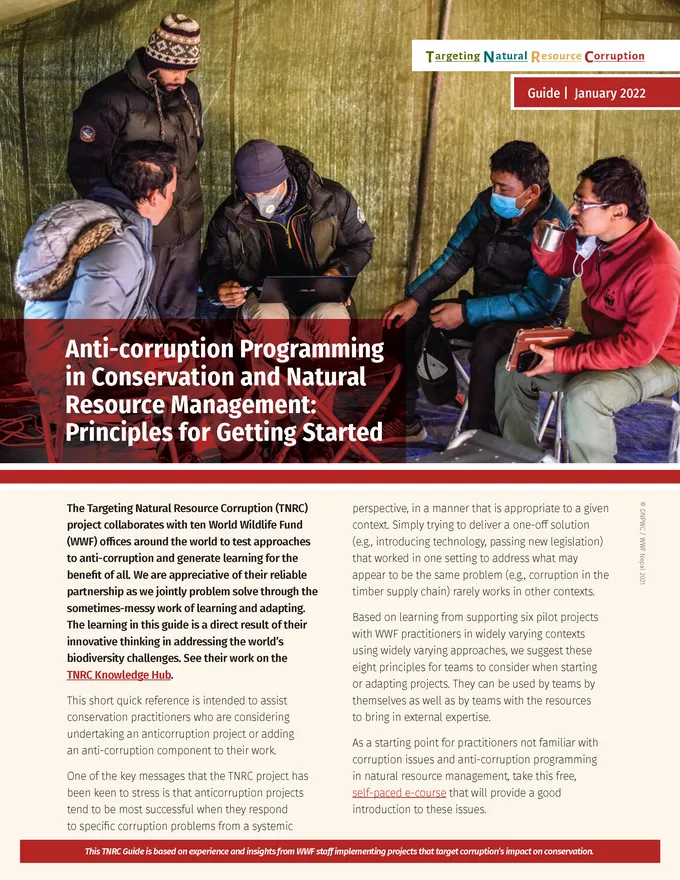
This short TNRC reference guide is intended to assist conservation practitioners who are considering undertaking an anti-corruption project or adding an anti-corruption component to their work. It outlines eight principles based on learning from supporting pilot projects with WWF practitioners in widely varying contexts using different approaches. A key message is that anti-corruption projects tend to be most successful when they respond to specific corruption problems from a systemic perspective, in a manner that is appropriate to a given context.
---
This content is made possible by the generous support of the American people through the United States Agency for International Development (USAID). The contents are the responsibility of World Wildlife Fund (WWF) and do not necessarily reflect the views of USAID, the United States Government, or individual TNRC consortium members.
-
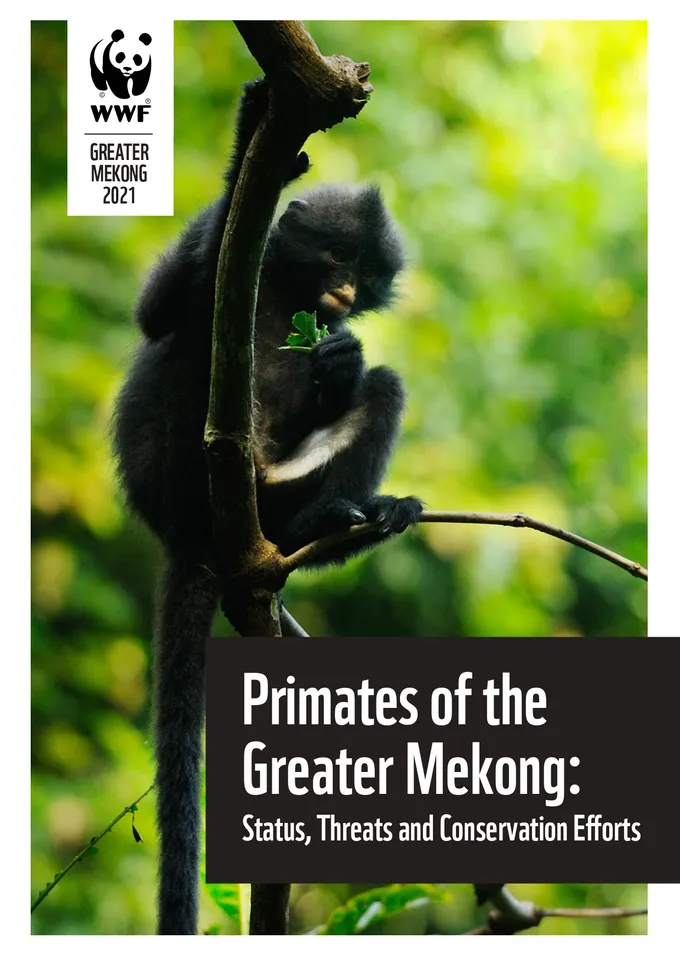
With approximately 512 species across 91 countries, primates are the third most species-rich mammalian group in the world. Of these species, about 125 occur in 22 Asian countries. The species numbers are not precise because new primate species are still being discovered or described. The Greater Mekong region‚ – spanning Cambodia, Laos, Myanmar, Thailand, and Viet Nam‚ – is home to 44 primate species. Some of these species are endemic to only one country. But deforestation, habitat degradation, and poaching driven by trade and consumption have forced many primate species to the brink of extinction.
-
In conservation and natural resource management (NRM), corrupt actions help actors seeking private gain and advantage to sidestep, derail, or even dismantle policies and processes for sustainable management of resources. These actions can take place at the source, when resources are traded, and/or where they are used or consumed. Corruption can be systemic – shaping nearly every aspect of how decisions governing resources are made – and it can also manifest in more singular or opportunistic individual actions and decisions. Importantly, it can exist at any level of a landscape or jurisdiction (country, province, etc.) and it can be related to any formal or informal authorities and functions.
As community-based or inclusive conservation objectives have gained prominence as strategies to achieve and sustain conservation and NRM outcomes, the impact of corruption in local resource management processes has also grown in importance. When local communities, Indigenous peoples, and other actors at national or sub-national levels seek to manage their forests, fisheries, and wildlife resources, they can encounter significant challenges caused by corruption.
---
This content is made possible by the generous support of the American people through the United States Agency for International Development (USAID). The contents are the responsibility of World Wildlife Fund (WWF) and do not necessarily reflect the views of USAID, the United States Government, or individual TNRC consortium members.
-
Money is at the heart of environmental crimes that exploit wildlife, forests, fisheries or other natural resources. These transnational crimes generate significant profits, estimated at USD 7-23 billion annually for wildlife crime alone, and are mostly “serious, organized crime on an industrial scale driven by the profit motive”. Wildlife traffickers rely heavily on bribery of officials, including rangers, customs, agents, prosecutors, and judges, as well as complex fraud and tax evasion.
---
This content is made possible by the generous support of the American people through the United States Agency for International Development (USAID). The contents are the responsibility of World Wildlife Fund (WWF) and do not necessarily reflect the views of USAID, the United States Government, or individual TNRC consortium members.
-
The case study programs highlighted in this report in Nepal, Vietnam, and Uganda all indicate that meaningful citizen participation and multi-stakeholder collaboration can contribute to local and national NRM governance systems with the potential for sustainably reducing corruption.
---
This content is made possible by the generous support of the American people through the United States Agency for International Development (USAID). The contents are the responsibility of World Wildlife Fund (WWF) and do not necessarily reflect the views of USAID, the United States Government, or individual TNRC consortium members.