Publications
-
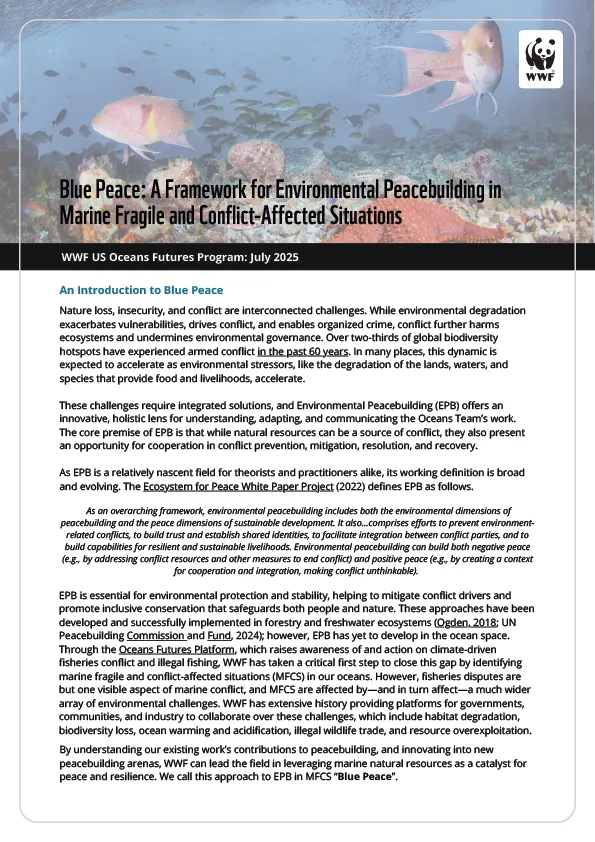
This PDF introduces WWF’s Blue Peace Framework, an environmental peacebuilding approach that leverages marine conservation to prevent conflict, strengthen cooperation, and promote long-term human and ecological security in fragile and conflict-affected ocean regions. Learn more about our peace and security work.
-
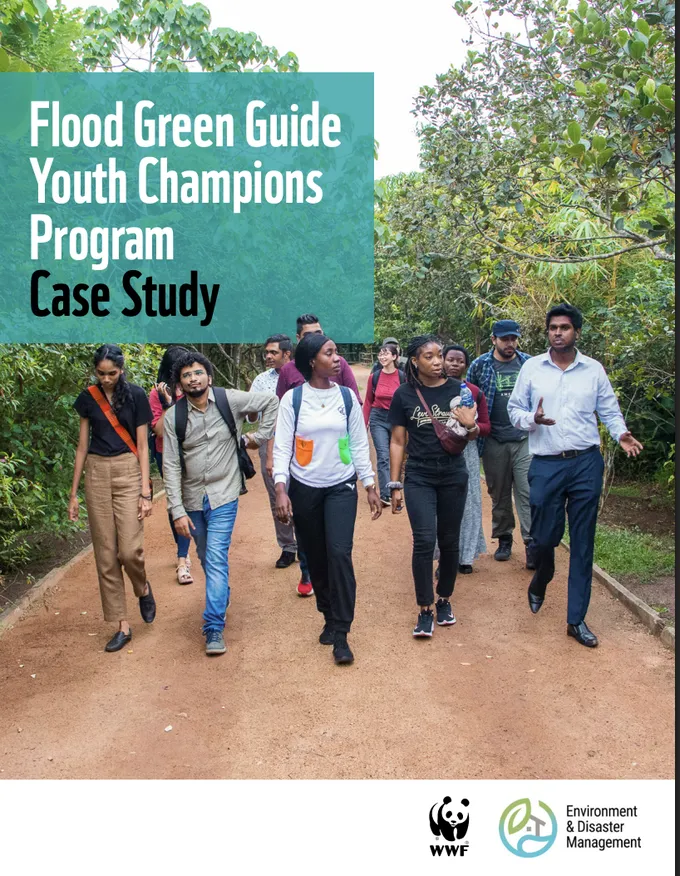
Youth are frequently overlooked in disaster management processes despite bringing valuable perspectives, technological skills, and innovative ideas. In nature-based flood risk management, their involvement is particularly important, yet few efforts currently focus on youth engagement for reducing flood risk. Including younger generations is essential not only because they represent future leadership but also because they bring their own experience, knowledge, ideas, and enthusiasm to problem-solving, ensuring that critical lessons are preserved and transferred across generations.
This case study examines the Flood Green Guide Youth Champions program, which exemplifies how co-creation strategies can effectively engage youth in disaster risk management. By involving young people from the project's inception, the program promotes agency and leadership while working toward more inclusive climate adaptation and risk reduction approaches. The case study demonstrates how youth can be equipped to become community change agents and advocates for nature-based flood management solutions, offering a replicable model for other projects seeking to develop shared visions with underrepresented groups while addressing the specific barriers that prevent youth participation in disaster risk management processes.
Learn more about the pilot program here.
-
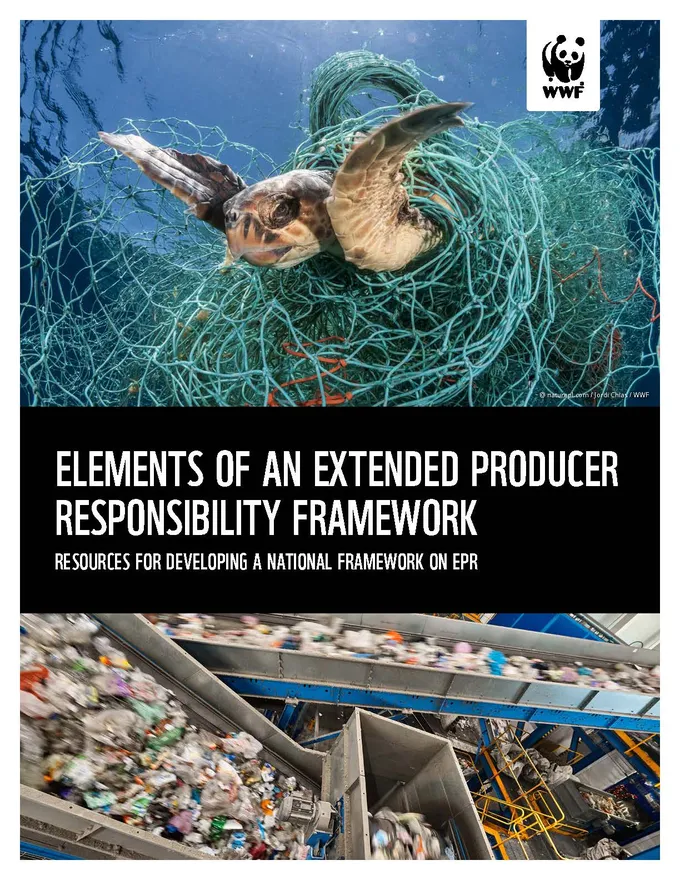
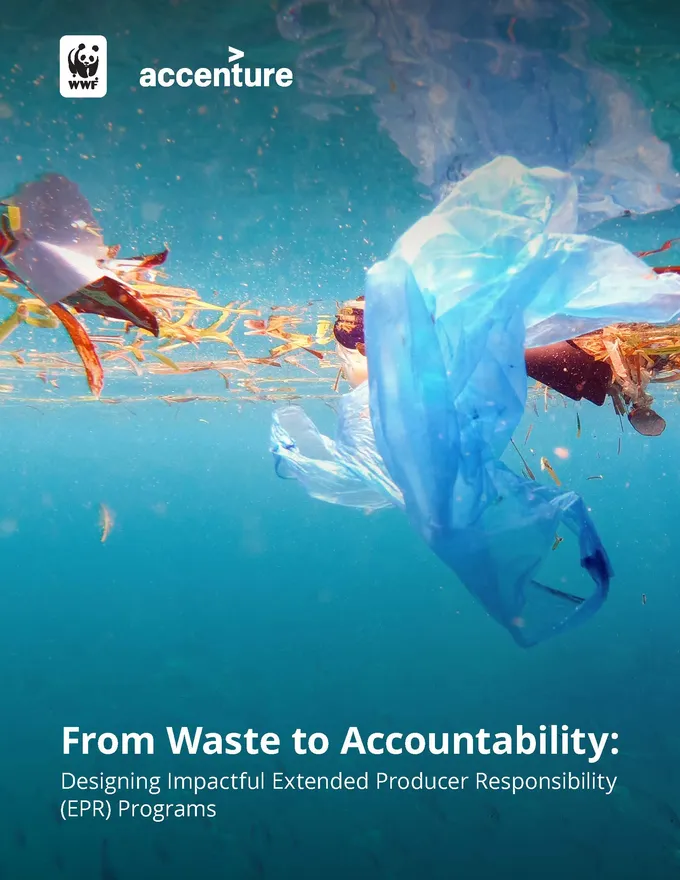
With Extended Producer Responsibility (EPR), producers of plastic packaging are financially responsible for the entire life cycle of their materials. It can ensure that all sectors‚ – public, private, and civil society‚ – come together to solve this collective problem.
As more states and the federal government consider enacting EPR and other related recycling and circular economy policies, it will be imperative to have harmonized definitions for specific key terms to ensure consistency across all jurisdictions.
-
From Waste to Accountability outlines a comprehensive framework for designing effective Extended Producer Responsibility (EPR) programs to combat plastic and packaging waste, emphasizing operational and financial structures, stakeholder collaboration, and policy standardization to drive environmental, social, and economic impact.
-
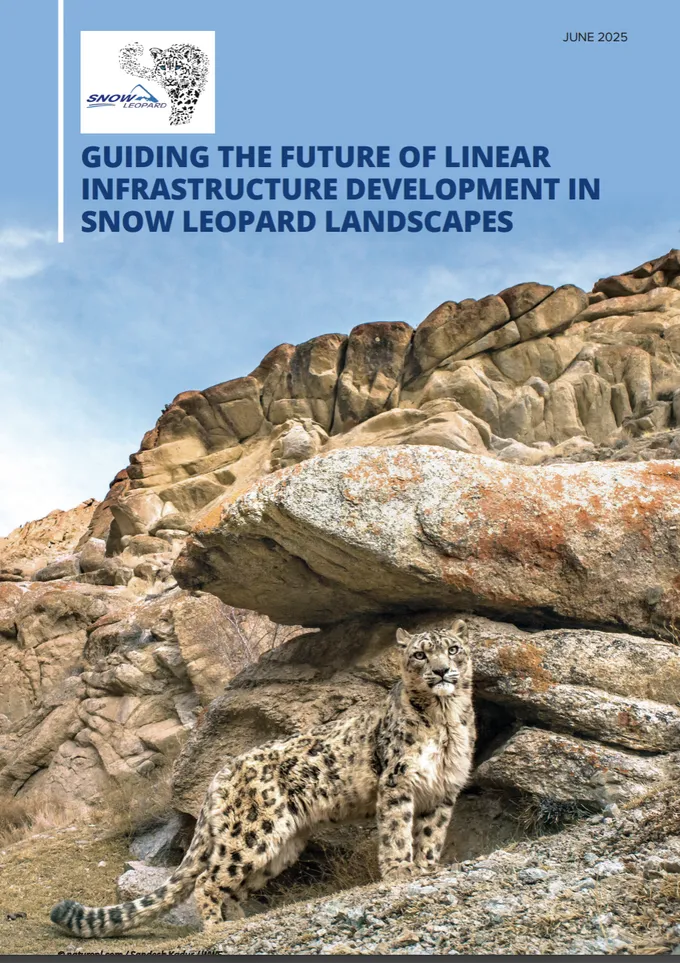
Linear infrastructure (LI)‚ – such as roads, railways, power transmission lines, canals, pipelines, and border security and other forms of fencing‚ – is necessary to connect people and services and support communities. However, it also threatens snow leopards and the high-mountain ecosystems they inhabit. Concerns include habitat fragmentation, illegal hunting and trade, wildlife-vehicle collisions, and other forms of human-wildlife conflict. In addition, feral dogs, invasive species, pathogens, and pollutants introduced by LI further disrupt the environment and drive biodiversity loss. Climate change worsens these threats, while LI itself exacerbates climate change.
The Global Snow Leopard and Ecosystem Protection Program (GSLEP), an alliance of the 12 countries comprising the snow leopard‚'s range, formed a working group of scientists and conservationists to create guidance for how infrastructure development can integrate protections for these big cats. Led by the International Snow Leopard Trust, WWF, and the Center for Large Landscape Conservation, the working group presented a guidance document, Guiding the Future of Linear Infrastructure Development in Snow Leopard Landscapes, at the 9th GSLEP Steering Committee Meeting in Cholpon Ata, Kyrgyz Republic, in June 2025, attended by environment ministers or their representatives.
This initial guidance recommends how governments, civil society, and local communities in snow leopard range countries can use avoidance and mitigation techniques to address these threats. It covers the infrastructure life cycle and follows the mitigation hierarchy‚ – a framework to avoid, minimize, and mitigate negative environmental impacts. The guidance offers solutions to protect biodiversity and ecosystem health throughout the infrastructure project‚'s life cycle, but it also revealed gaps in our knowledge that we propose addressing in future work. Implementing the measures defined here and working to address knowledge gaps will reduce risks to snow leopards and their prey, support human communities living in these ranges, preserve the ecosystem services snow leopards depend on, and lower the risk of infrastructure failure.
-
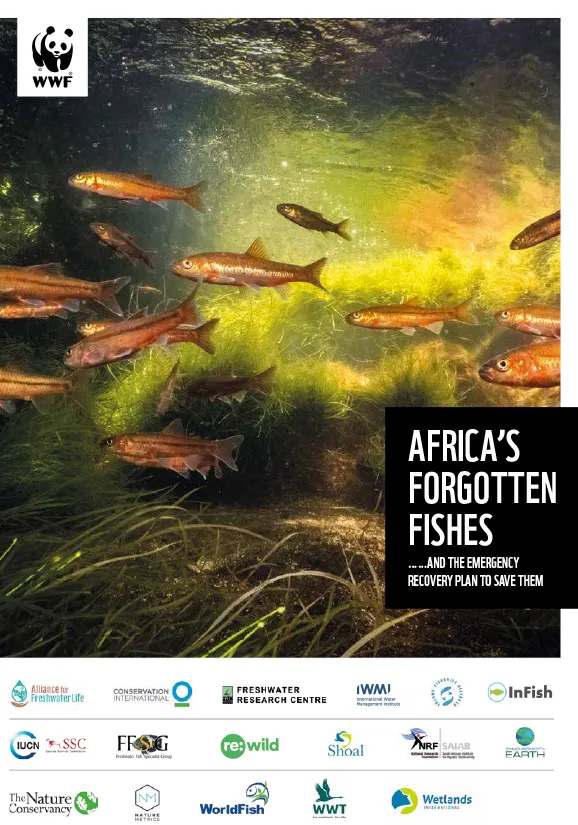
Africa‚'s Forgotten Fishes spotlights the extraordinary richness and critical importance of the continent‚'s freshwater fishes‚ – home to more than 3,280 species, most of them found nowhere else on Earth. These fishes are essential to the health of rivers, lakes, and wetlands across Africa, and they sustain the food security, nutrition, livelihoods, and cultures of tens of millions of people. Yet despite their value, freshwater fishes remain largely invisible in policy and development decisions, and are now facing alarming declines due to damming, habitat degradation, overexploitation, invasive species, and climate change. This report calls for urgent action, including adoption of a science-based Emergency Recovery Plan and broader participation in the African-led Freshwater Challenge, to protect, restore, and sustainably manage freshwater ecosystems‚ – securing a future for Africa‚'s fishes and the people who depend on them.
-
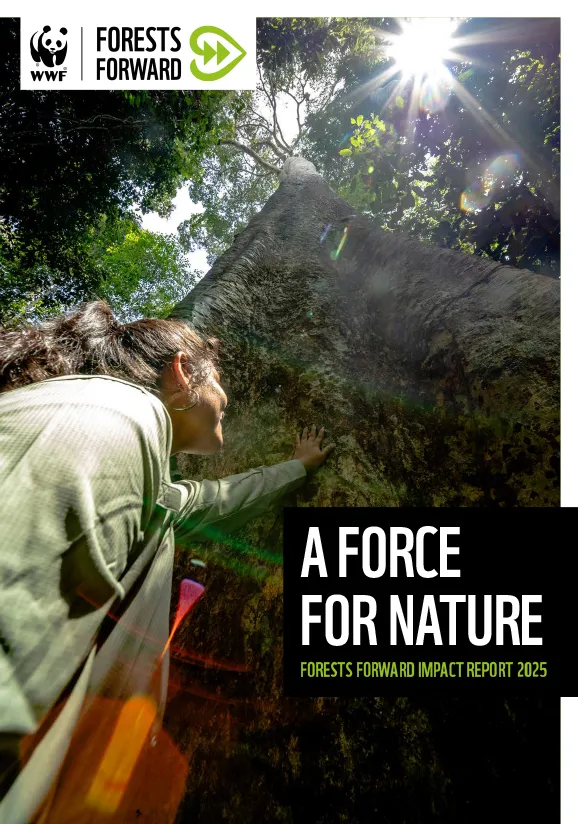
The Forests Forward Impact Report reveals that 26 leading companies, including US-based businesses, from nine sectors are improving forest management or going beyond responsible sourcing to support forest conservation projects around the world.
Through Forests Forward, WWF’s flagship program for corporate leadership on forests, WWF projects financed by private sector partners are helping conserve a total forest area of 1.3 million hectares in some of the most vital and vulnerable landscapes through actions such as forest restoration.
An additional 2.7 million hectares of tropical forest are benefiting from improved forest management measures implemented by forest management companies participating in Forests Forward. Responsible sourcing efforts being implemented by partner companies are also translating to many more hectares of improved forest management across the globe.
With less than five years until 2030 deadlines for global goals on nature and climate, the Forests Forward Impact Report emphasizes how critical the private sector is in filling finance gaps. It also outlines how forests play an outsized role in addressing biodiversity loss and economic equality.
-
In this guidance document, the Bioplastic Feedstock Alliance aims to align decision-makers on an approach for setting biobased plastic targets within the broader landscape of sustainability targets and environmental performance goals.
-
As we experience intensifying environmental changes and resource scarcity, humans and wildlife are altering their behaviors, leading to increased competition for food and water and escalating human-wildlife conflict. WWF‚'s Climate Crowd report highlights the interconnectedness of human and wildlife responses to climate stressors and the complex dynamics that drive conflict, based on data from key-informant interviews about how communities on the ground are experiencing and coping with climate change. The findings of this report underscore how climate stressors are putting people and wildlife at odds with each other, ultimately contributing to human-wildlife conflict.
-
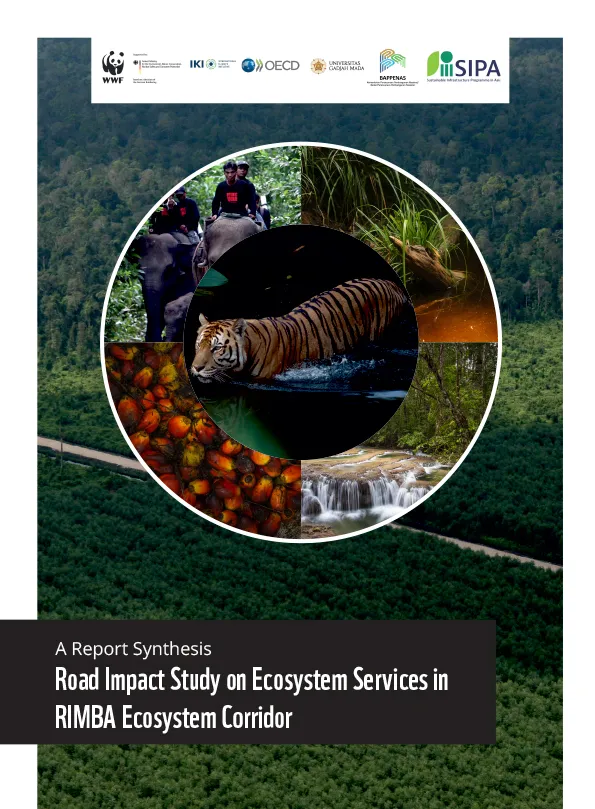
In the last five years, people in the central Sumatra have been cheering up the newly constructed toll roads that they perceive to be a potential economic growth. The section of toll road connecting two important cities in Riau Province (Dumai- Pekanbaru)‚ – and also the other sections between Jambi and Palembang (some section are under construction)‚ – is believed to give a hint that the Government is determined to put the linear infrastructure into the list of National Strategic Project. Being in charge of the toll road building, the Ministry of Public Works and Public Housing (PUPR) and Agrarian and Spatial Planning/National Land Agency (ATR/BPN) have received a feedback‚ – to be taken into account for ecosystem studies for the development of toll road infrastructure in the central Sumatra corridor containing‚ – stakeholders‚' concern for wildlife habitat, including WWF Indonesia. The planned toll road sections seemed to be a delicate issue at the beginning as some of them pass through elephant and tiger habitat areas, yet eventually, it can be overcome‚ – thanks to the decision that they made to build some animal bridge facilities through which wildlife still manage to make cross-section mobility. This approach is known as nature- based solutions (NbS).
We hope that this report synthesis can help policymakers and decision makers in understanding the impacts of linear infrastructure on ecosystems and wildlife. Chances are, there may be some imperfections in this report synthesis, and thus we encourage all stakeholders to share inputs and suggestions with us.