Publications
-
With your support, we are protecting some of the world's most vulnerable species, from tigers and elephants to polar bears and bison. Through this work, we are also supporting the people who rely on natural resources for economic survival and helping communities protect and advocate for these magnificent creatures.
-
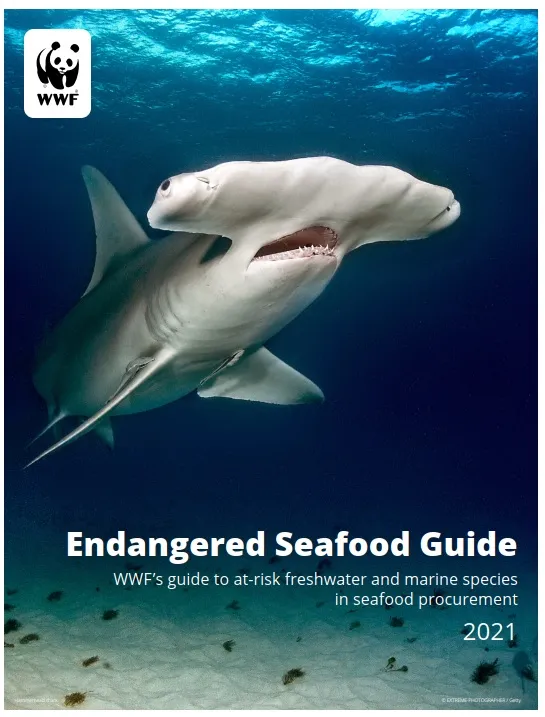
There are several hundred known endangered marine and freshwater species linked to human seafood consumption. As part of its continuous efforts to mitigate the effects of the global food system, WWF has developed a user-friendly and practical guide identifying the main at-risk creatures found in seafood supply chains. This resource aims at assisting companies, buyers, chefs, and consumers at large in making informed decisions while sourcing seafood. The Endangered Marine Species Guide was developed by WWF US in collaboration with marine experts across the global WWF Network.
-
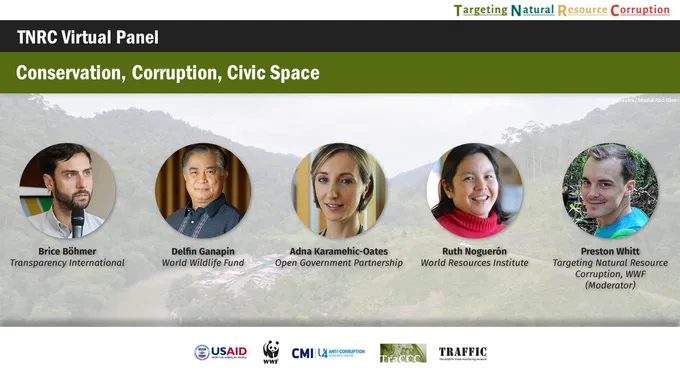
This presentation deck is from a TNRC Virtual Panel on 25 May 2021 on Conservation, Corruption, and Civic Space. This panel brought together experts from Transparency International, Open Government Partnership, World Resources Institute, and WWF-International to discuss the intersection of conservation and open government.
---
This content is made possible by the generous support of the American people through the United States Agency for International Development (USAID). The contents are the responsibility of World Wildlife Fund (WWF) and do not necessarily reflect the views of USAID, the United States Government, or individual TNRC consortium members.
-
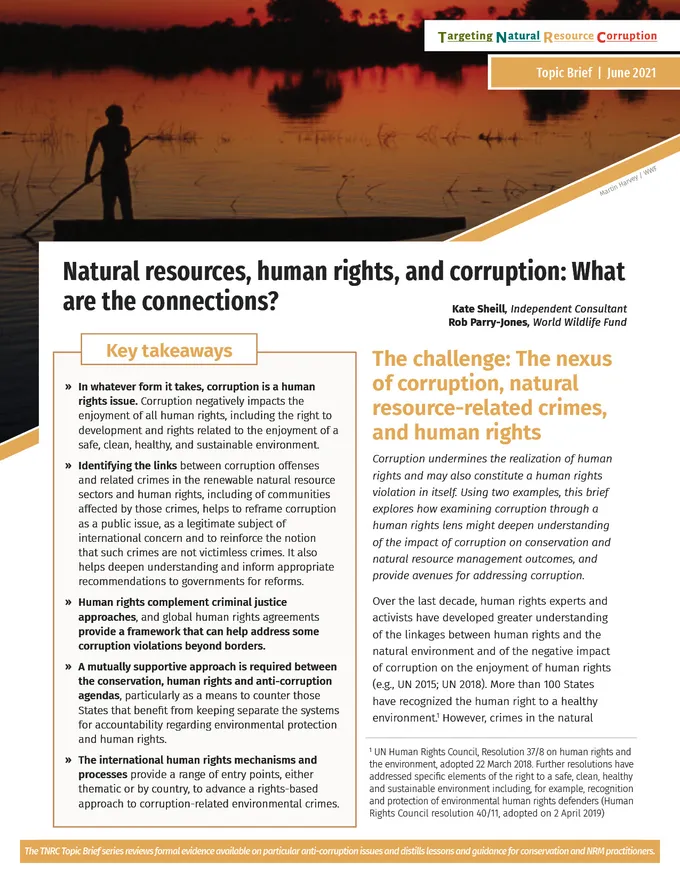
Corruption undermines the realization of human rights and may also constitute a human rights violation in itself. Using two examples, this brief explores how examining corruption through a human rights lens might deepen understanding of the impact of corruption on conservation and natural resource management outcomes, and provide avenues for addressing corruption.
For more from the Targeting Natural Resource Corruption project, visit the TNRC Knowledge Hub
---This content is made possible by the generous support of the American people through the United States Agency for International Development (USAID). The contents are the responsibility of World Wildlife Fund (WWF) and do not necessarily reflect the views of USAID, the United States Government, or individual TNRC consortium members.
-
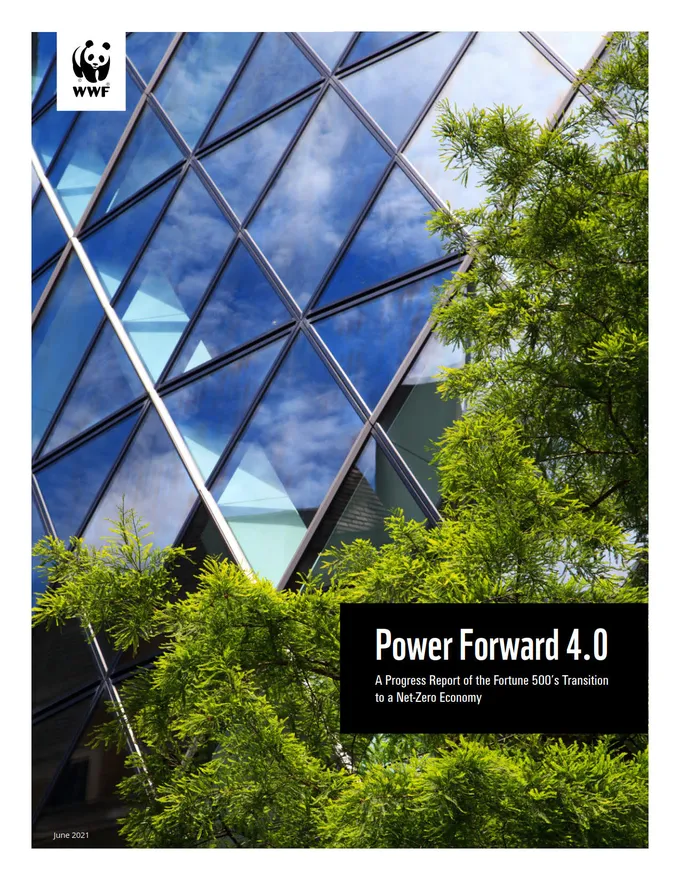
Since 2012, The Power Forward report series has been analyzing climate and energy commitments among the largest US companies. The latest iteration, Power Forward 4.0, summarizes the climate commitments of the Fortune 500, demonstrating the steady growth in corporate climate action, new emerging trends, as well as the remaining gaps.
Key Findings:
- 60% of Fortune 500 companies (2020) have set a climate or energy-related commitment. This represents a 12-percentage-point increase since Power Forward 3.0, published in 2017.
- Science-based target setting has grown significantly, with 63 Fortune 500 companies (13%) having set targets approved by the Science Based Targets initiative, six times the number of companies that had done so in 2017.
- The exciting and growing trend among companies is setting net-zero, carbon-neutral, or related commitments, with 83 (17%) of the Fortune 500 possessing such targets.
- Ninety-four companies have set a goal to buy or invest in renewable energy, up from the 53 that had done so in Power Forward 3.0. Fifty-eight of the 94 companies possess 100% renewable energy targets.
The report assesses how different sectors compare in setting targets, company progress in achieving those climate commitments and engaging their climate-related value chain. Additionally, the report highlights that despite significant growth in voluntary target setting, gaps in corporate climate action remain:
- 40% of the Fortune 500 do not have any type of public climate or energy-related target.
- 400 companies (80%) of the Fortune 500 have neither set, nor officially committed to set, science-based targets through the Science Based Targets initiative.
- Less than one in five Fortune 500 companies has a climate goal that covers scope 3.
- The quality and credibility of certain net-zero or related claims remains uncertain.
- Adoption of targets varies widely across industry sectors.
To drive more robust private sector action, this report provides key recommendations for companies and policy makers alike.
For additional information on the report, please contact [email protected].
For media inquiries, please contact [email protected].
For previous reports in the Power Forward series, please see:
- Power Forward 3.0: How the largest US companies are capturing business value while addressing climate change
- Power Forward 2.0: How American Companies Are Setting Clean Energy Targets and Capturing Greater Business Value
- Power Forward: Why the World's Largest Companies Are Investing in Renewable Energy
-
World Wildlife Fund, Inc. (WWF) has established a procurement policy and procedures to ensure the most efficient use of limited resources when obtaining the goods and services necessary for the operation of the organization and the implementation of its conservation activities. This policy should be supplemented with any donor or project specific requirements when applicable.
-
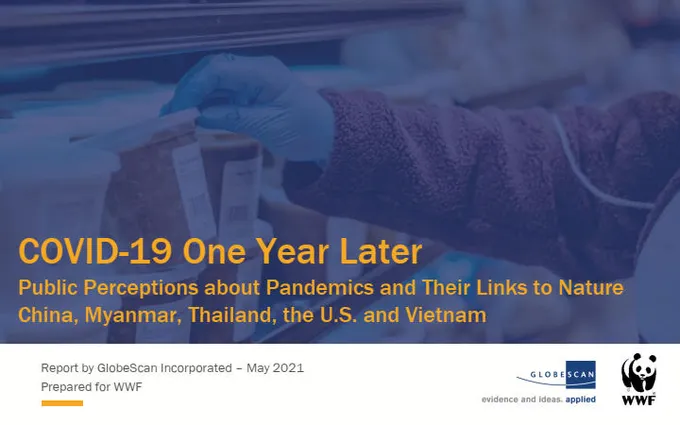
Public perceptions about pandemics and their links to nature in China, Myanmar, Thailand, the US, and Vietnam
-
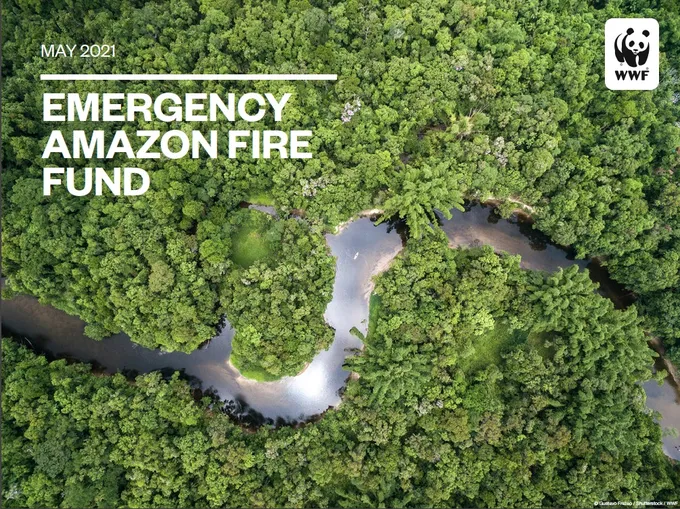
In the summer of 2019, WWF launched an emergency fund in response to the fires raging in the Amazon. At their peak in August, there were 30,901 fire outbreaks recorded – three times that of August 2018 – and by the end of the season, more than 12 million hectares were burned between Brazil and Bolivia. WWF formed the Emergency Fund for Amazon Fires to drive critical resources to the people at the front lines of the dramatic fires, specifically to local civil society organizations that represent and work with indigenous peoples, local governments and fire brigades, and local communities to protect the Amazon. Every dollar donated went to partners on-the-ground. This is our third report on those funds.
-
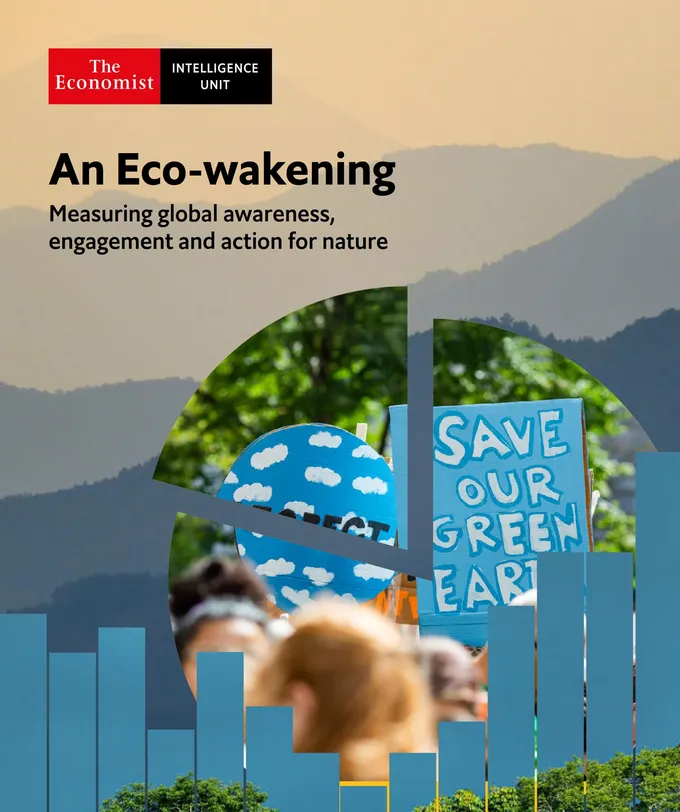
A new report by the Economist Intelligence Unit, commissioned by WWF, shows a growing number of people around the world are concerned about nature, changing the way they think about sustainabity and demanding action to protect the planet. Findings include a staggering 71% rise in popularity of searches for sustainable goods over the past five years, with continuing growth, even during the COVID-19 pandemic.
-
WWF‚'s Over 100 Years of Snow Leopard Research examines the current state of knowledge across the 12 countries within this iconic species‚' range by reviewing peer-reviewed published papers on the species and its habitat. This first-ever systematic review of snow leopard research conducted to date highlights some glaring gaps in our knowledge of this elusive and threatened big cat and reveals that lack of basic data could be hampering their conservation. Improved knowledge can provide opportunities for data-driven and targeted conservation actions that will not only help snow leopards but the other wildlife and communities that share their space.