Publications
-
A new WWF commissioned analysis shows there is a strong economic case for protecting ocean assets through expanding Marine Protected Areas globally. The report finds that increased protection of critical habitats could result in net benefits of between US $490 billion and US $920 billion accruing over the period 2015-2050.
-
BCG Economic Valuation: Methodology and Resources outlines the analysis, assumptions, and data sources that informed Reviving the Oceans Economy: The Case for Action—2015 and its conclusions regarding the ocean’s annual contribution and asset valuation. This reports triangulates and refines existing primary research with new scientific evidence, generated by the Boston Consulting Group, in order to determine the first economic assessment of this kind.
-
Reviving the Oceans Economy: The Case for Action—2015 brings into focus the economic value our oceans represent for this planet, as the future of humanity depends on their healthy living conditions. While figures in the report are a vast underestimation, the economic assets at risk accurately portray the losses we will incur should we continue on the current destructive trajectory.
-
Pulp is the base for a lot of products we use every day, such as napkins and paper. Pulp typically comes from natural fibers that are in trees. But purpose-grown and agricultural residue feedstocks ‚Äì such as bamboo, kenaf and wheat straw‚ – are being explored as alternatives to such fibers. WWF has created a tool for assessing the major environmental and social issues associated with the production of these alternative natural fibers. Responsible use of alternative natural fibers could reduce pressure on natural forests and have global benefits for biodiversity, ecosystem services, socio-economic development and climate stability.
-
Over the last 45 years, a small, little-known country in the distant Himalayas quietly and unassumingly became a conservation treasure. It is an incredible story few people are aware of.
-
Asian elephant habitat is threatened by invasive plants such as Lantana sp., which may further thrive under changing climatic conditions. Explore this and other traits which make Asian elephants vulnerable to climate change, as well as recommended climate-adaptive management strategies.
-
Today, we use the natural resources of 1.5 planets, depleting ecological goods and services faster than nature can replenish them. This is having a huge impact on nature and people, and threatening our very future. Better production will be vital if 9 billion people are to share this planet and its resources, equitably and sustainably, in the coming decades.
This report summarizes WWF's work on commodities with the biggest impact on areas of global conservation priority.
-
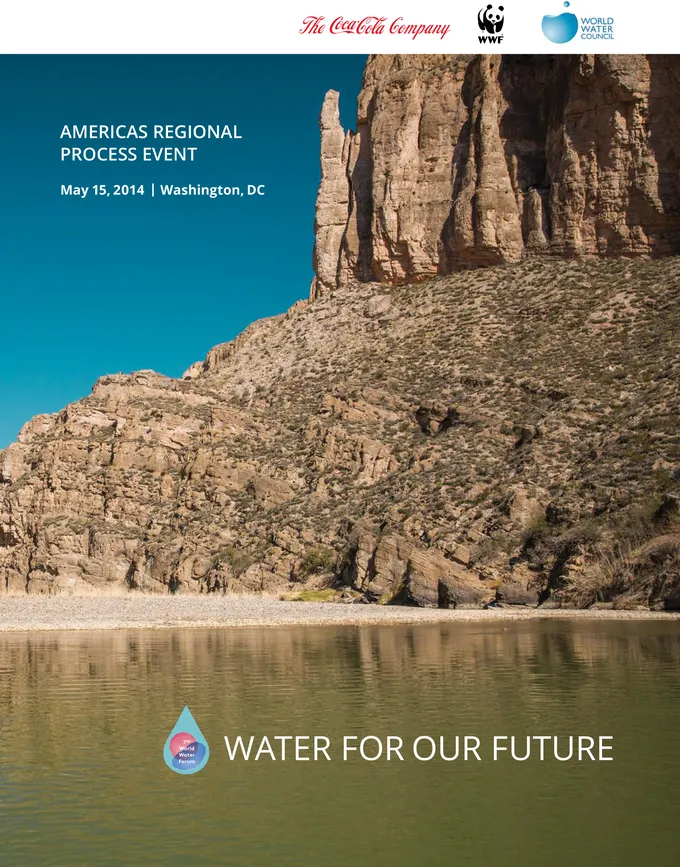
The World Water Council, World Wildlife Fund (WWF) and The Coca-Cola Company, with support from United Water and the US Army Corps of Engineers, invited diverse stakeholders working on water issues for panel discussions, conversations, and networking opportunities in Washington, DC, to discuss the future‚ – and how we can ensure water is part of it.
The daylong forum, Water for Our Future, focused on three of the 16 themes slated for discussion during the 7th World Water Forum: Green Growth, Water Stewardship and Industry; Water for Food; and Enough Safe Water for All. The global forum will be held in Korea on April 12–17, 2015.
As part of the regional planning process for the global forum, the conversations focused on North American perspectives and the efforts of US companies, NGOs, donors, government agencies, and US-based multilateral institutions. Nearly 150 professionals participated in person, while hundreds of others joined remotely. Together, we explored challenges and solutions and gathered input for the thematic agenda of the upcoming 7th World Water Forum.
-
WWF seeks to transform markets towards greater sustainability through partnerships with leading food and agriculture organizations and companies. By establishing ways to produce commodities at affordable costs with measurably reduced environmental impacts, and by creating significant demand for such products, entire commodity markets can improve their environmental outcomes on a large scale.
Dairy is one such commodity. Since 2009, WWF and the Innovation Center for US Dairy have been working to advance mutual conservation goals through a formal partnership to improve the environmental sustainability of the US dairy industry. Learn more about the partnership .
The Innovation Center for US Dairy is a sponsoring partner of the Sustainable Food for the 21st Century project and this white paper. WWF is solely responsible for the content of this paper. This paper presents the results from interviews with 52 thought leaders in the space of environmentally sustainable food production. The definitions and views regarding sustainable food production as shared by the interviewees include environmental, social and economic dimensions. WWF and the Innovation Center convened an advisory panel of food experts and thought leaders to identify solutions for sustainable food production systems for the 21st century, with a focus on US dairy. The summary of the advisory panel meeting is available here.
-
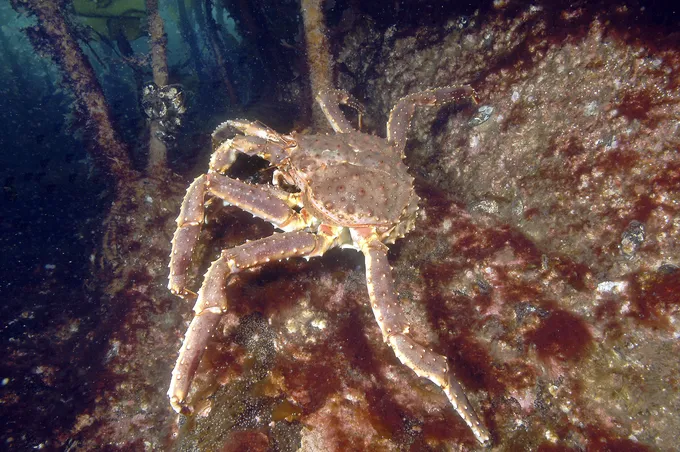
WWF investigated the trade flow of legal and illegal crab harvested in Russian waters throughout the North Pacific to better understand the impact on the global seafood market. Analysis used primary sources such as Russian crab stock assessments, publically accessible trade and customs data, satellite imagery of fishing boat movements, and interviews with experts to obtain a unique picture of the harvest of legal and illegal crab products.