Publications
-
-
-
-
A corruption-oriented situation analysis can help conservation and natural resource management (NRM) practitioners understand and respond to the threats that corruption poses to conservation and NRM outcomes. As part of the Targeting Natural Resource Corruption (TNRC) project, WWF teams in different countries conducted situation analyses to inform both small-scale pilot projects and large-scale investments, in each case aiming to get a better idea of the ways that corruption may impact NRM activities and how they could design projects that would respond more effectively to those threats. Part I of this guide collects lessons from their experience and provides insights on implementing this type of analysis. Part II shares three case studies and analysis tools for doing corruption-oriented situation analysis.
For more resources and tools, visit TNRCproject.org.
---
This content is made possible by the generous support of the American people through the United States Agency for International Development (USAID). The contents are the responsibility of World Wildlife Fund (WWF) and do not necessarily reflect the views of USAID, the United States Government, or individual TNRC consortium members.
-
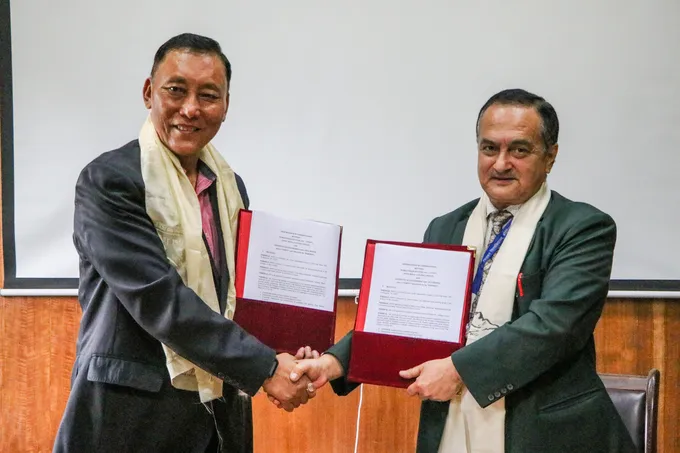
WWF Nepal signed a Memorandum of Understanding (MoU) with the Institute of Engineering (IoE), Tribhuvan University on May 04, 2023.
This MoU will help IoE develop a curriculum on "Natural Resource Safeguards in Infrastructure", which will be embedded in the course of the Bachelor's Degree for IoE (TU).
Dr. Ghana Shyam Gurung, Country Representative of WWF Nepal, and Professor Dr. Shashidhar Ram Joshi, Dean of IoE shared their commitment to promoting natural resource safeguard through academia.
-
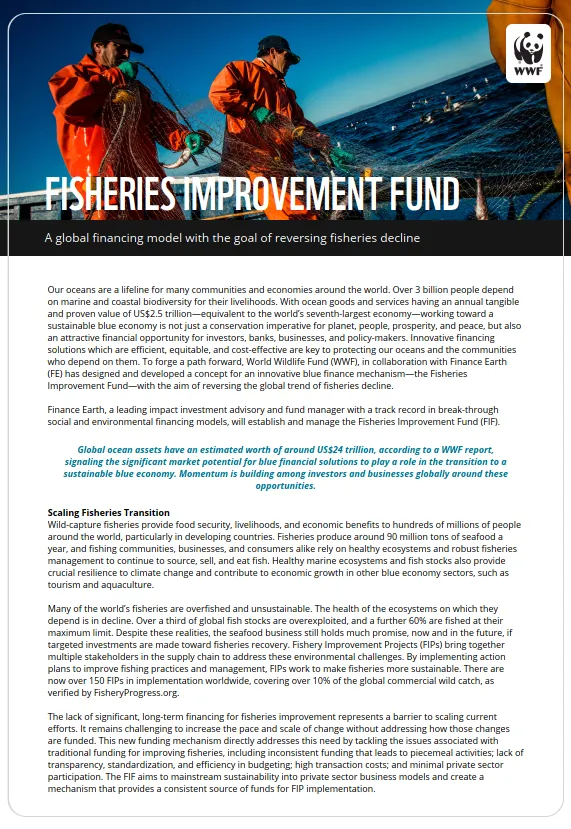
Sustainable finance is critical to scaling the transition towards more sustainable fisheries. New sustainable, efficient, equitable, and cost-effective models are needed to lead the way toward the establishment of a sustainable blue economy. To respond to this need, WWF, in partnership with Finance Earth and through a multi-stakeholder collaboration, designed and launched a new financing mechanism aimed at fishery transition: the Fisheries Improvement Fund.
-
TNRC - U4 Webinar - What shapes antic-corruption success and failure in renewable resources sectors?
These slides share key learning from new evidence research under the Targeting Natural Resource Corruption (TNRC) project. This three-country research was designed and conducted by the U4 Anti-Corruption Resource Centre . The findings were presented in a webinar hosted by U4 in February 2023. That discussion was introduced by Peter Evans (U4), moderated by Kyle Rearick (USAID) and featured Aled Williams, the research leader, and Achiba Gargule from U4. Further information on the recommendations below can be found in the TNRC paper, Pathways for targeting renewable resource corruption: A summary of evidence.
---This content is made possible by the generous support of the American people through the United States Agency for International Development (USAID). The contents are the responsibility of World Wildlife Fund (WWF) and do not necessarily reflect the views of USAID, the United States Government, or individual TNRC consortium members.
-
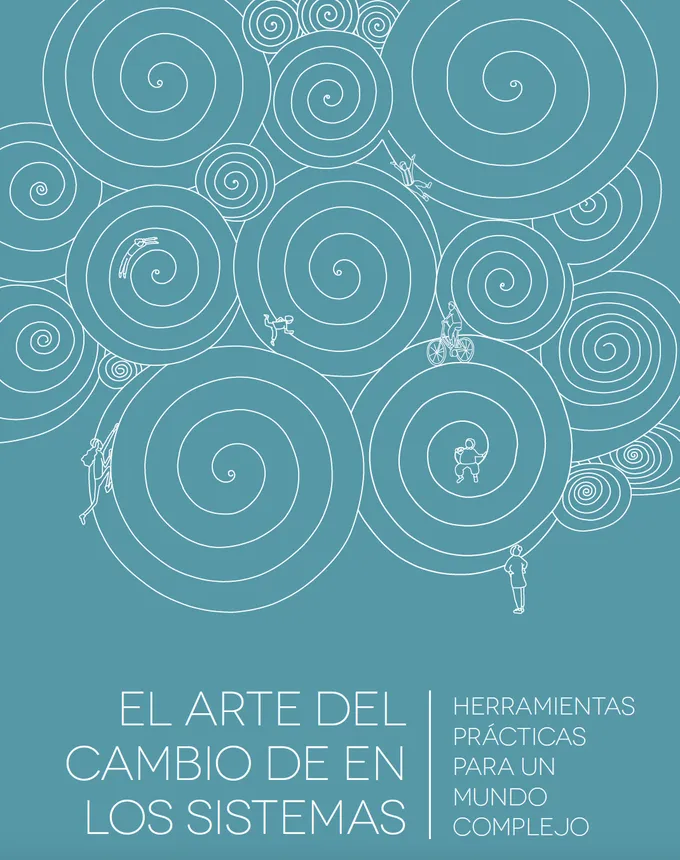
En 2019, varios profesionales y cientificos, todos "pensadores sistémicos", escribieron un libro llamado "The Art of Systems Change" (El arte del cambio en los sistemas). El libro hace una introduccion a los principios fundamentales del pensamiento sistémico y presenta un conjunto de ocho principios mutuamente reforzantes que pueden guiar los esfuerzos para abordar nuestros desafios ambientales y sociales más urgentes. Esta guia está diseñada para complementar ese libro, canalizando la filosofia de esos ocho principios en fases tangibles de una trayectoria. Esta guia contiene historias, herramientas y percepciones que respaldan una forma de trabajo que aspira a ser inclusiva, holistica e impactante.
-
This document presents funding proposal "FP203: Heritage Colombia (HECO): Maximizing the Contributions of Sustainably Managed Landscapes in Colombia for Achievement of Climate Goals," as approved by the Board of the Green Climate Fund at B.35.
-