Publications
-
-
WWFGEF Commodities Demand Terminal Evaluation Report
-
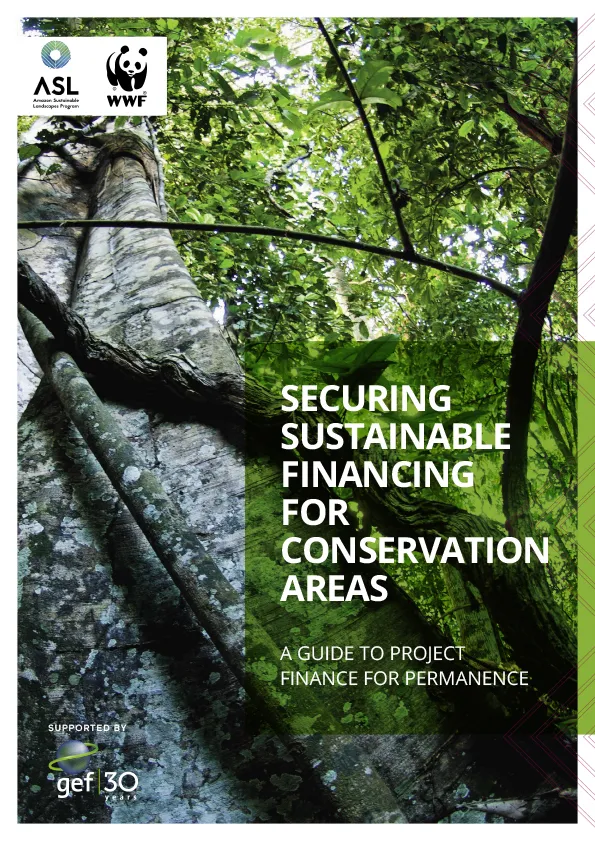
In the face of the twin crises of biodiversity loss and climate change, governments and their partners in communities and civil society have increased their efforts to protect and enhance sustainable use of nature. These efforts have been identified as strategic to fulfill the anticipated global goal to protect 30% of the planet by 2030. Reaching this goal will require more‚ – and more effectively managed‚ – protected areas and other effective area-based conservation measures, but current funding is not enough to cover existing needs or to increase the areas under protection.
Project Finance for Permanence (PFP) is an approach designed to secure the policies, capacity, institutional arrangements and full funding for the effective and long-lasting protection of our planet‚'s important natural places. It is being applied in Bhutan, Brazil, Canada, Costa Rica, and Peru, being designed in Colombia, and there is increased interest in applying the PFP approach in other countries.
This guide seeks to describe the PFP approach and capture the experience from practitioners and lessons learned to date. It is intended to be a reference for people from public or private organizations who want to implement a PFP.
-
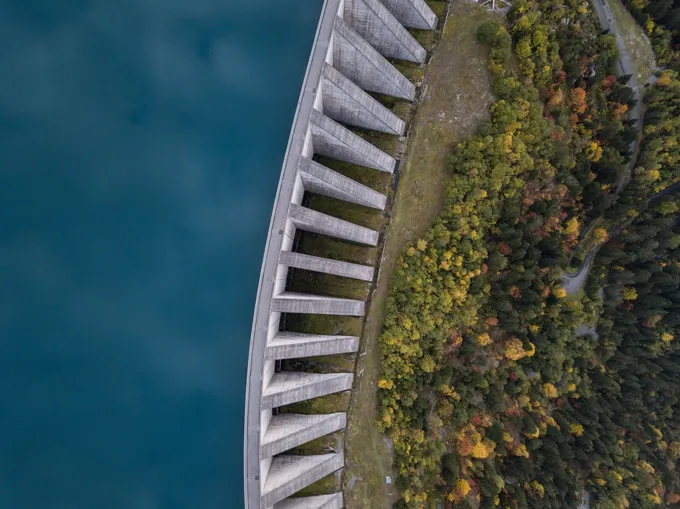
Hydropower dam projects are complex, costly, and devastate the potential benefits that healthy, free-flowing rivers provide, including a source of food for people and animals, habitat space, and a climate crisis solution. This first-of-its-kind guide to hydropower insurance was developed by WWF with the support of the UN Environment Program‚'s Principles for Sustainable Insurance to facilitate sustainable infrastructure projects and prevent high-impact hydropower projects for the long-term protection of rivers.
-
-
-
-
-
-