Publications
-
-
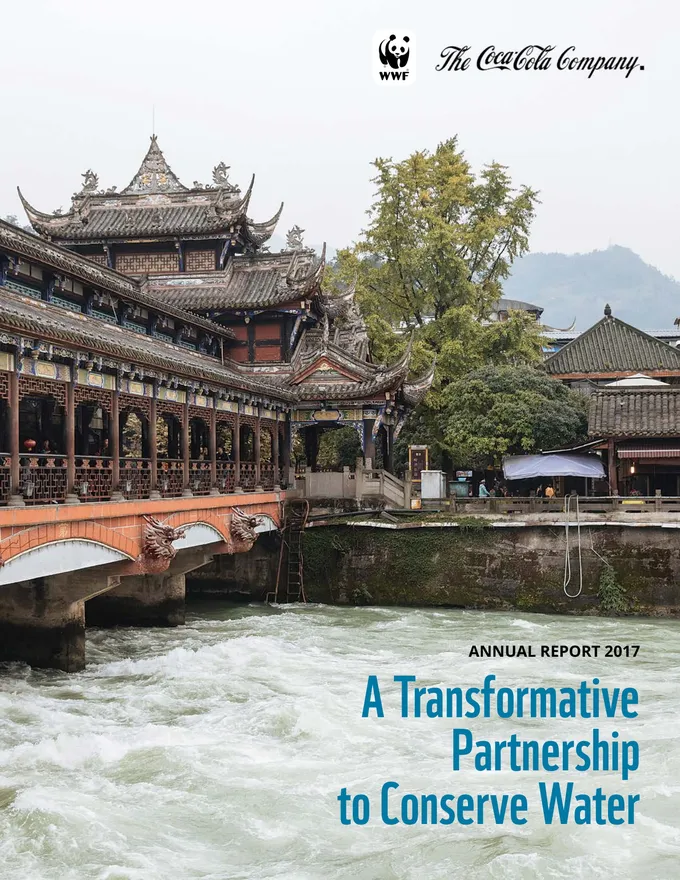
WWF and The Coca-Cola Company have worked together for a decade to help ensure healthy, resilient freshwater basins across the globe.
Since 2007, more than 2.2 million hectares of watershed and basin have benefitted from our collaboration. Learn more about the progress we made in 2017 to leverage our global scale for conservation solutions in the Mesoamerican Reef catchments in Central America and the Yangtze River in China.
-
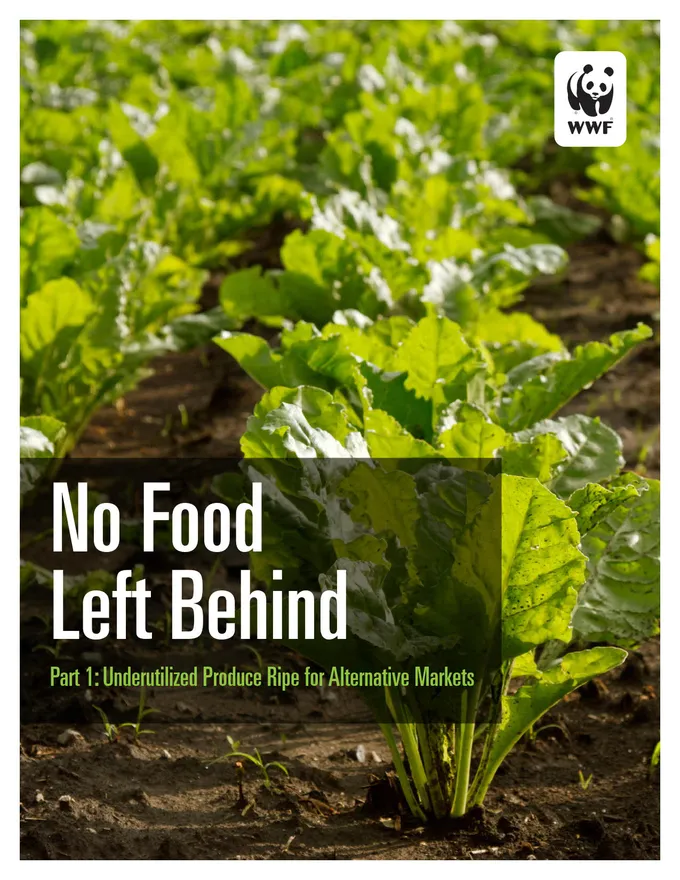
The US is a leading producer of agricultural products, including specialty crops. While the current system efficiently delivers a variety of products to market 365 days a year both at home and abroad, there is much loss that occurs across the supply chain, particularly at the endpoints - farms and retail. With that loss comes a great opportunity to improve and recover that produce for human consumption.
This report details research to begin to understand the magnitude of the opportunity through the collection of baseline data from farms on post-harvest losses of peaches, potatoes, tomatoes, and romaine lettuce. Quantitative and qualitative data results found that there is potential in the US to increase the availability of fruits and vegetables by better utilizing what is already being produce and in doing so, could mitigate the need to increase land conversion, water use, and the use of other resources to increase our food supply.
For methodology and technical research, please visit the Specialty Crop Loss Report .
-
-
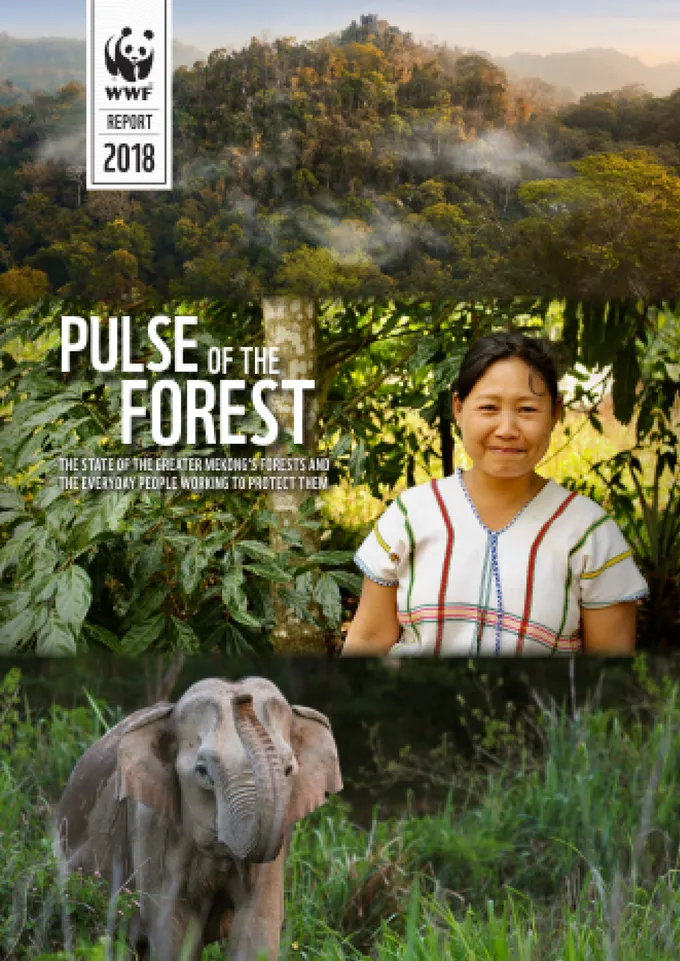
Deforestation is a major threat both to ecosystems and local economies. The Greater Mekong was the world's most densely forested area in the 1970s, but has now lost a third of its tree cover. It is on course to lose another third between 2010 and 2030 if trends continue.
-
World Wildlife Fund (WWF) and Royal Caribbean Cruises, Ltd. are now beginning our third year of partnership to help ensure the long-term health of the oceans. Our partnership was launched in 2016 based on the premise that no one organization or company can address conservation threats alone—but that together we can create meaningful, lasting change.
Learn more about our progress over the past year on our sustainability journey—from reducing Royal Caribbean’s environmental footprint by achieving ambitious, measurable targets around emissions reductions, sustainable sourcing, and responsible tourism, to raising awareness of the importance of oceans with the 5 million guests who travel with the cruise line annually.
-
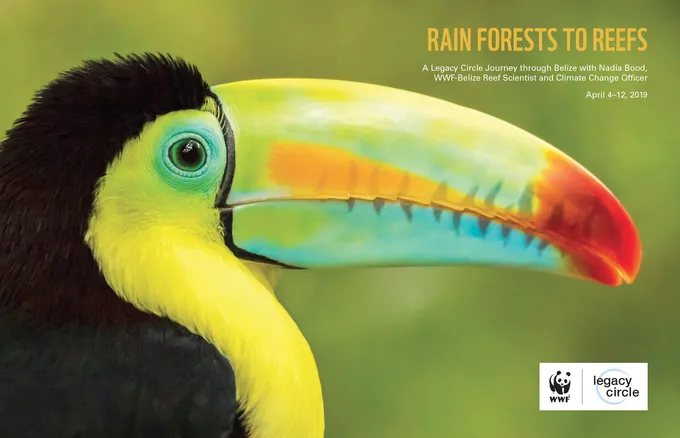
Rain forests to Reefs: A Legacy Journey through Belize with Nadia Bood, WWF-Belize Reef Scientist and Climate Change Officer
-
-
-