Are capybaras rodents? And 5 other capybara facts
Capybaras are rodents—and large ones, weighing an average of 108 pounds
© Days Edge Productions / WWF-US
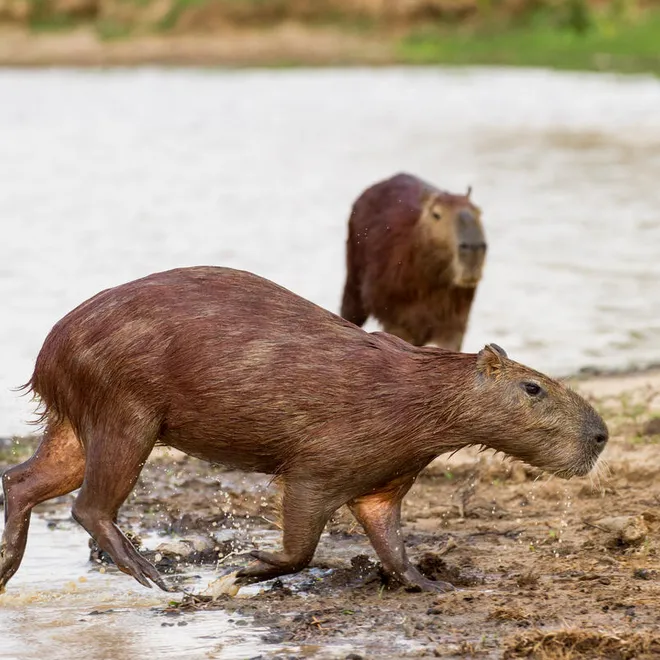
Meet the capybara (Hydrochoerus hydrochaeris), the largest rodent in the world! Native to South America, you can find capybaras scampering by the edges of mucky marshes, swimming through jungle ponds, and snacking in flooded grasslands.
By working to eliminate the conversion of forests, savannas, and grasslands for soy and beef production, WWF is helping to preserve the habitats that capybaras call home.
Here are six facts you might not know about this massive rodent:
1. Are capybaras rodents?

© David Lawson / WWF-UK
Capybaras are rodents—and big ones. Their average size is around 108 pounds, about the size of a full-grown wolf.
They are the last of many massive grass-eating rodent species that have historically lived in South America.¹
2. Do capybaras live on land?
© Ola Jennersten / WWF-Sweden
© Jaime Rojo / WWF-US
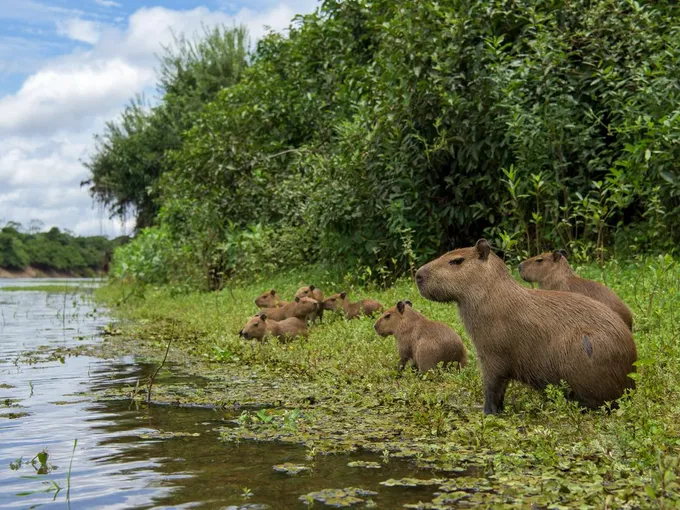
Capybaras are semi-aquatic, meaning they live partly on land and partly in water. Splitting time between land and water allows them to eat aquatic plants and keep cool.²
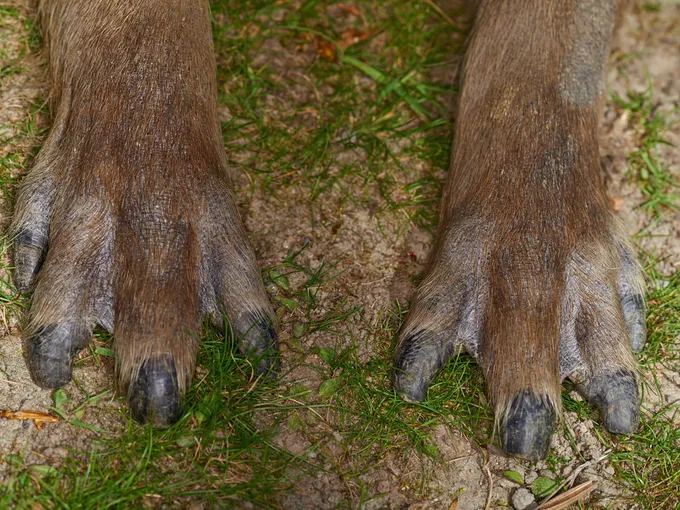
Capybaras have webbed feet like frogs and ducks, helping them swim fast. Plus, their eyes, ears, and nostrils are on top of their head, which lets them stay mostly submerged for long periods of time. That way, they are hidden from the watchful gaze of predators!
3. How do capybaras adapt to the dry and wet seasons?

© WWF-US / Marlon del Aguila
The nutrients in grasses differ between the dry season and the wet season. That’s no problem for capybaras! During the dry season, when their food is less nutritious, their small intestine grows, helping to absorb more nutrients. In the wet season, their intestines contract, as nutritious vegetation is bountiful!³ This flexible digestive tract is key to their survival.
4. Why do capybaras eat their own poop?
After waking up in the morning, capybaras often snack on their poop! Digesting their food a second time helps to absorb nutrients that weren’t absorbed the first time.4
5. What do capybaras eat?
© Day's Edge Productions
© Jaime Rojo / WWF-US
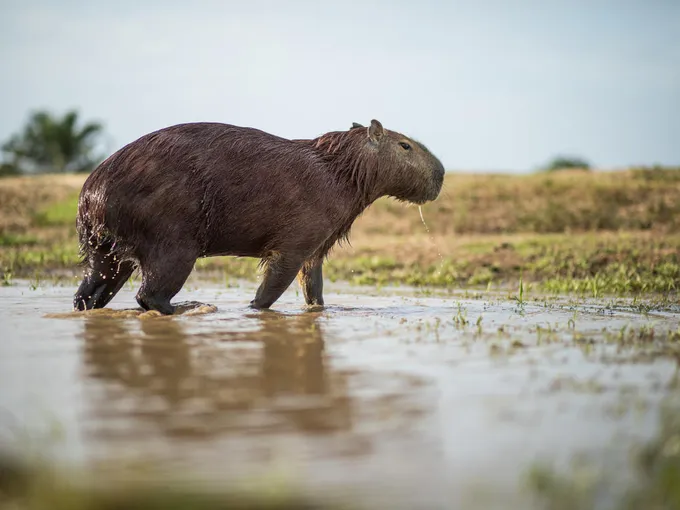
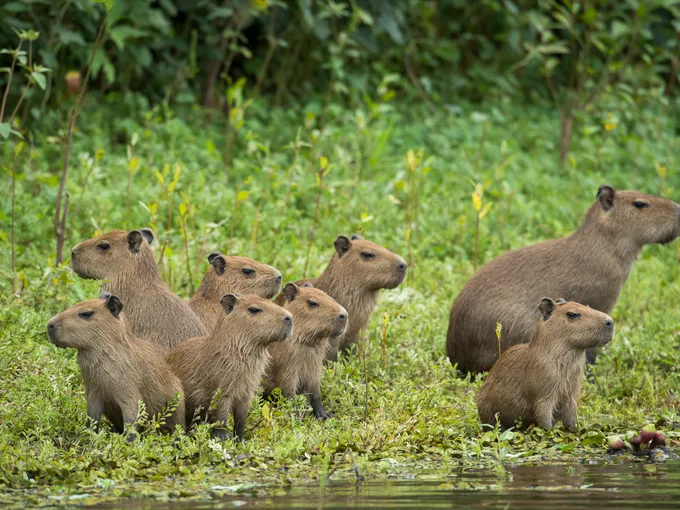
Capybaras’ preferred meal consists of grasses and aquatic plants. And these rodents have to watch out for jaguars and pumas, or else they’ll become a juicy snack themselves!
6. What threats do capybaras face?

© Suzie Hubbard / WWF-UK
Sadly, humans are cutting down forests and converting wetlands to make way for crop fields and cattle ranches, which destroys capybaras’ natural habitat. Overhunting is also a threat.
By working with people and communities to conserve ecosystems, we can help ensure that capybara populations stay healthy for years to come.
© WWF-US / WWFGifts
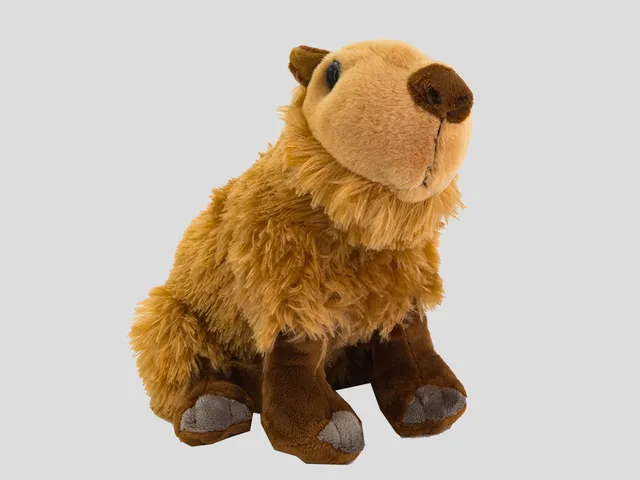
Adopt a capybara
Support WWF’s global efforts to protect wild animals and their habitats and choose from kits with plush and more.
References
[1]Moreira, J.R. et al. (2013). Taxonomy, Natural History and Distribution of the Capybara. In: Moreira, J., Ferraz, K., Herrera, E., Macdonald, D. (eds) Capybara. Springer, New York, NY.
[2]Moreira, J.R. et al. (2013). Taxonomy, Natural History and Distribution of the Capybara. In: Moreira, J., Ferraz, K., Herrera, E., Macdonald, D. (eds) Capybara. Springer, New York, NY.
[3]Moreira, J.R. et al. (2013). Taxonomy, Natural History and Distribution of the Capybara. In: Moreira, J., Ferraz, K., Herrera, E., Macdonald, D. (eds) Capybara. Springer, New York, NY.
[4]"Capybara Guide.” Discover Wildlife, BBC Wildlife Magazine, 14 Jan. 2023.