Bison facts: meet America's national mammal
Learn why bison are unique to our landscape and what WWF is doing to help
© Thomas Szajner / WWF-US
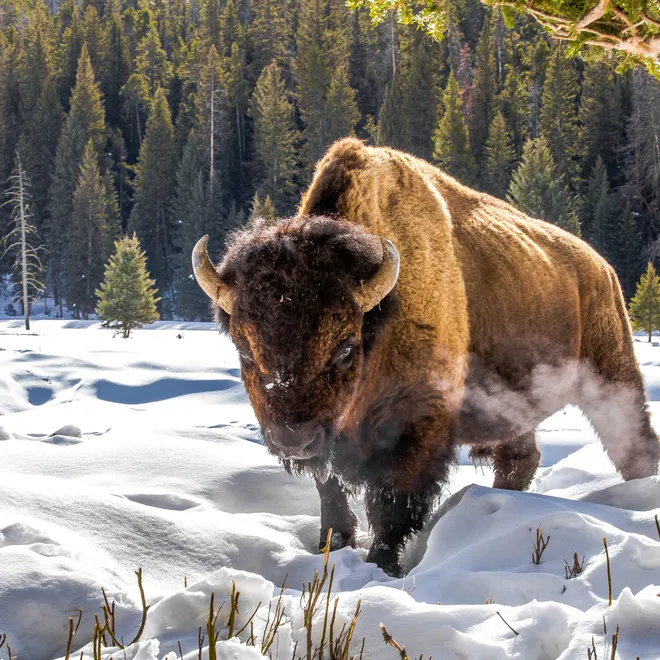
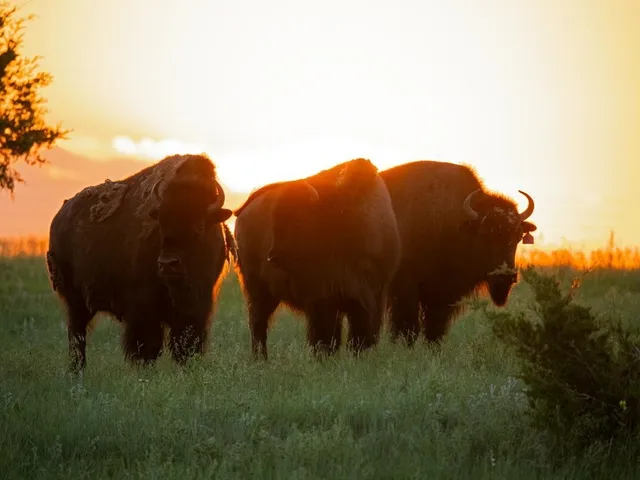
Bison are the largest native grazers of America’s Great Plains. This charismatic species that once roamed the grasslands freely by the tens of millions experienced a devastating blow to its population when the westward expansion of European settlers and market hunting pushed them toward extinction in the 1880s.
Beginning in 1905, the American Bison Society and the US government launched a campaign to save the species from extinction and restore bison numbers, an effort that succeeded but ended in 1935. Since that time, numbers have been stable, but small herd sizes have put bison genetic health and diversity at risk.
© WWF-US/Clay Bolt
Support Tribes restore buffalo to the Great Plains
The Indian Buffalo Management Act would strengthen support for Tribal Nations who are working to bring buffalo back from the brink of extinction.

© Thomas Szajner / WWF-US
1. How much do bison weigh?
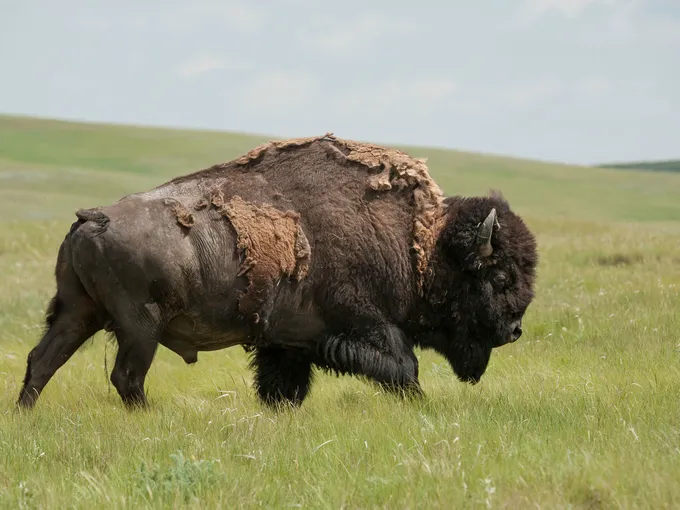
North America’s largest terrestrial mammal, bison can weigh up to a whopping 2,000 pounds, reaching a length of up to 12 feet. Despite their mass, they can still hit speeds of 40 miles per hour when running.
© WWF / Richard Stonehouse
© Thomas Lee / WWF-US
2. What do bison eat?
Bison are principally grazers, consuming the grasses of the Great Plains, along with a varied diet of flowering plants, leaves of woody plants, and lichens in the summer and fall. During the winter months, bison use their massive heads, powered by their muscled humps, to sweep aside snow to forage for buried food.

© Thomas Lee / WWF-US
3. Why did bison almost go extinct?
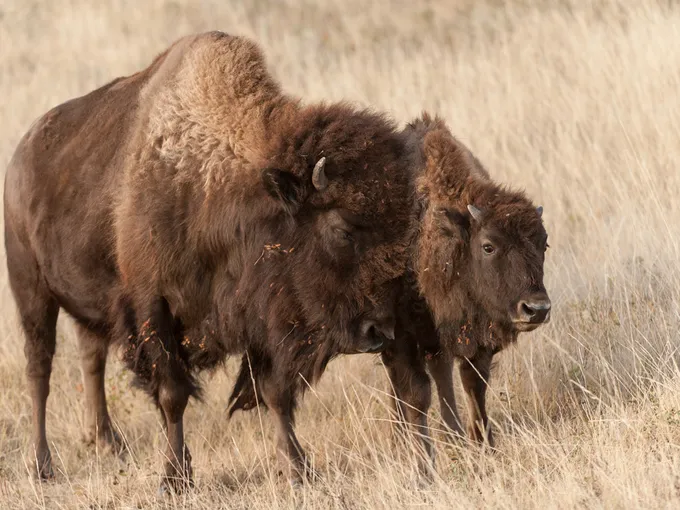
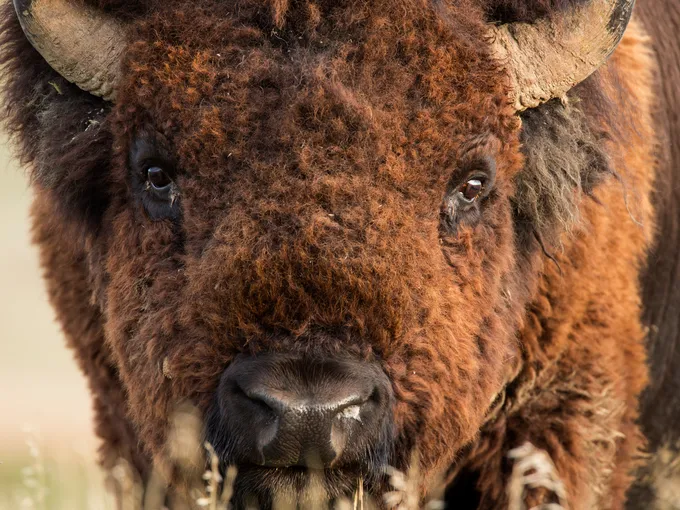
Tens of millions of bison once roamed North America’s grasslands. In the late 1800s, however, Western Expansion, commercial hunting, and deliberate US government efforts to undermine Indigenous Nations by destroying a species central to their food systems, shelter, and culture pushed bison to the brink of extinction. By the 1930s, however, Indigenous leaders and conservationists had succeeded in restoring a small remnant of the population on public and private lands. Today, bison are no longer at risk of extinction, but their recovery is ongoing. WWF is working to ensure large herds are restored and expanded across public and Tribal lands in the Great Plains.
© Thomas Lee/WWF-US
© Day's Edge / WWF-US
4. How does WWF help conserve bison?
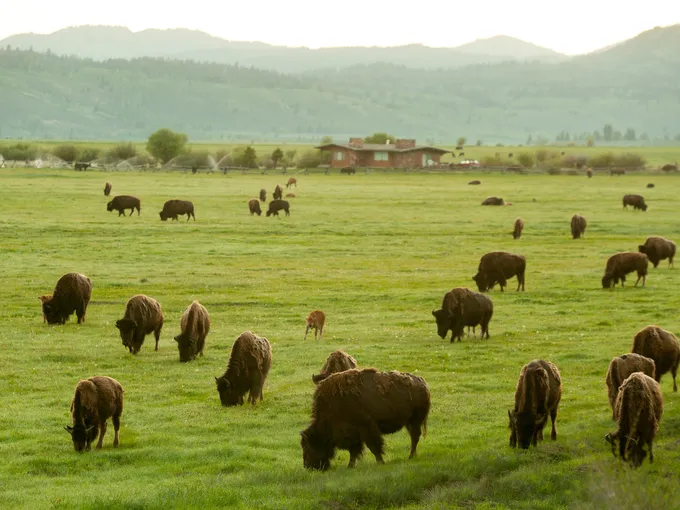
WWF works with public, private, and Tribal leaders to protect and restore bison across the Great Plains. We identify opportunities and help secure landscapes where bison can thrive in large, resilient herds— numbering more than 1,000 animals—across vast, connected grasslands. WWF also supports research and partner training in bison management and biology, while advancing understanding of how grassland species—such as native plants and birds—respond when bison are returned to the land.

© Thomas Szajner / WWF-US
5. Why are bison considered survivors?
Bison can live through the extreme heat and blizzards of the Great Plains that often threaten the survival of other contemporary native and domestic grazers. WWF is committed to ensuring not only the survival of the species but to reestablishing bison in numbers and at scale in suitable landscapes to secure the long-term genetic health of this ice age survivor.
© WWF-US / WWFGifts
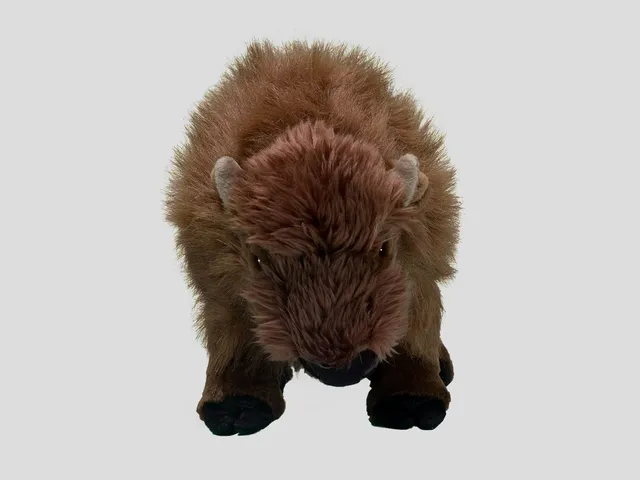
Adopt a bison
Support WWF’s global efforts to protect wild animals and their habitats and choose from kits with plush and more.