Food waste
Explore how the food we eat affects ecosystems around the world as your students learn from our experts, write creative letters, design meals to reduce waste, and become “food waste warriors.”
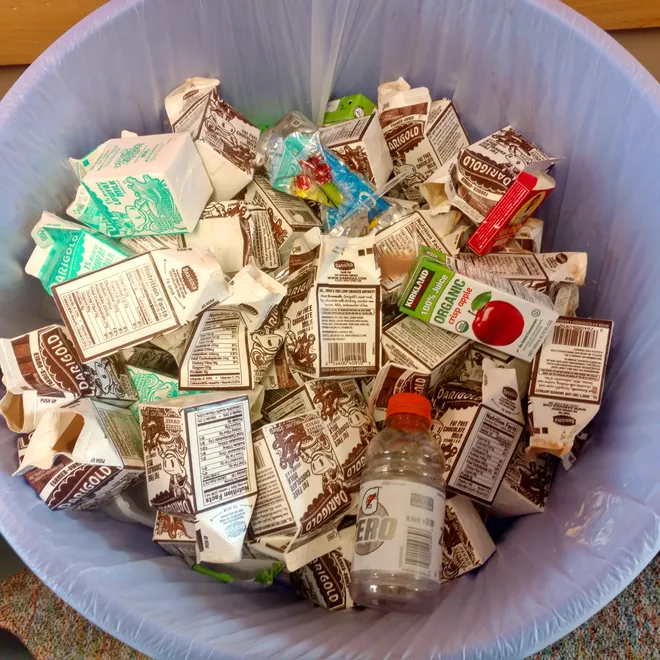
© JENNIFER SCALES/TRIANGLE ASSOCIATES
💡 Warm up
Introduction
Use the slides to introduce students to the issue of food waste, the resources used to produce our food, and the effects of food waste on the environment. After presenting the slides, prompt students to consider what actions they can take at school or at home to reduce food waste.

© WWF
💻 Tech time
Video: Why does food waste matter?
Help students understand the problem of food waste with the video that shows how food gets to their plates and how they can help the planet through the choices they make.
Recorded Livestream: Leftover Lunch: How Saving Food Saves the Planet
Join food waste experts Alex Nichols-Vinueza and Julia Borland as they discuss practical actions students can take to reduce food waste. Follow the link in the video description for supplemental materials including pre- and post-video questions to review the video concepts.
▶️ Activities
© WWF
Group Game (K-2)
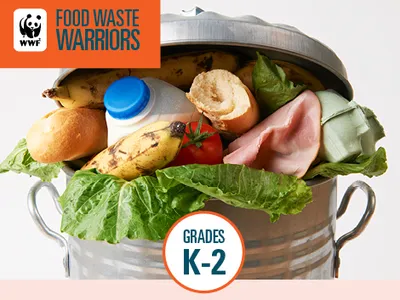
Food is Not Trash
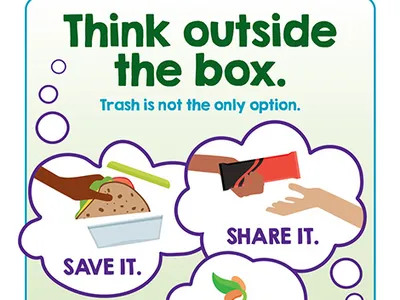
Students in grades K-2 can come together to play the game and sort food items by whether they should save it, share it, or compost it. (Game on page 5.)
© WWF
Writing (3-5)
Eating Our Planet
Read about food's impact on the environment and write a creative letter to an alien pen pal envisioning a healthier future with solutions for Earth's improved environmental health.
© WWF
Math (3-5)
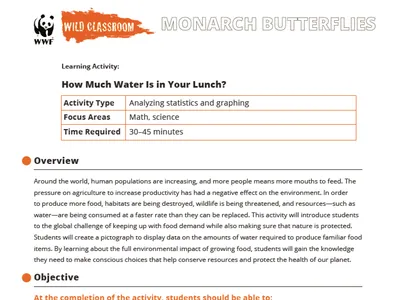
How Much Water is In Your Lunch?
Practice math skills by calculating the water needed to produce their lunch.
✔️ Assessment
© Kahoot!
Kahoot! Course
Food & Our Planet
Explore our Kahoot course to assess your students’ understanding of the problem of food waste and how they can protect nature by making smart eating choices. Each student or small group will need a device to play.
© WWF
Matching Game (K-2)
Where Does Our Food Come From?
Students in grades K-2 can play the matching game to explore the resources needed to produce their food. (Game on page 6.)
© WWF
Worksheet (3-5)
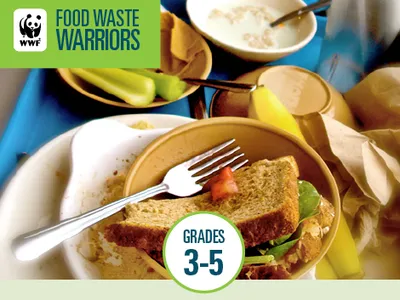
Top Leftover Chef
Challenge students in grades 3-5 to be the “top chef” of their class by designing meals made from common leftover foods. (Worksheet on page 5.)