Monarch milkweed finder
By planting milkweed, you can protect this iconic species
© Jamie Rojo
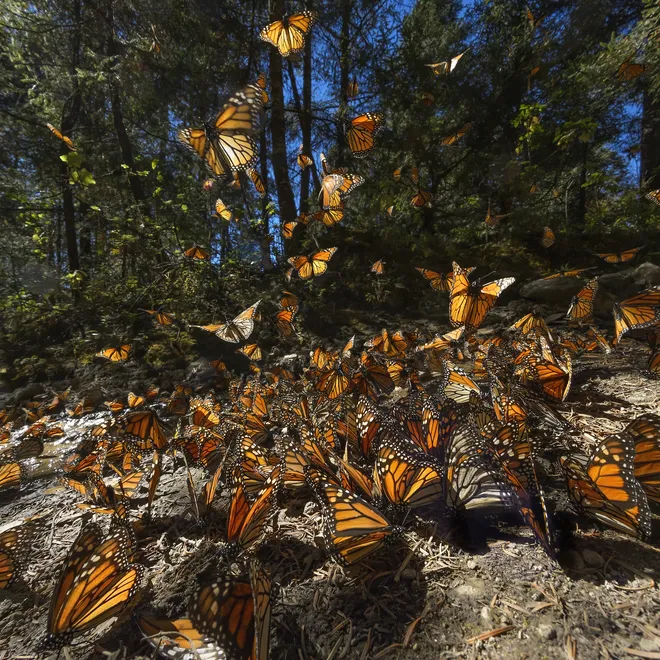
High in the mountains of central Mexico, oyamel forests are the overwintering home of the eastern migratory monarch butterflies. These pollinators migrate from Canada and the US to overwinter in Mexico’s Monarch Butterfly Biosphere Reserve. As spring arrives, they start their migration back north, seeking out milkweed to lay their eggs and nectar plants to eat.
Milkweed is essential to the monarch: It is the only plant on which they lay their eggs and the only source of food for baby monarch caterpillars. But the increased use of herbicides in combination with Roundup Ready crops (GMOs), agricultural expansion, and the paving over of land for urban growth have destroyed millions of acres of milkweed—so much so that the migratory monarch populations have plummeted.
Join the monarchs’ migration journey and help these amazing butterflies—and other pollinators—by planting nectar plants and the right species of milkweed in your own backyard.
What kind of milkweed should I plant to help monarchs?
Use the milkweed finder below to find the right type of milkweed to plant where you live. This small action can make a big difference in the survival of these beloved butterflies.
Different species of milkweed thrive in different parts of the country. Alaska, Hawai'i, and Puerto Rico are not included on this map because monarchs do not migrate to these regions.
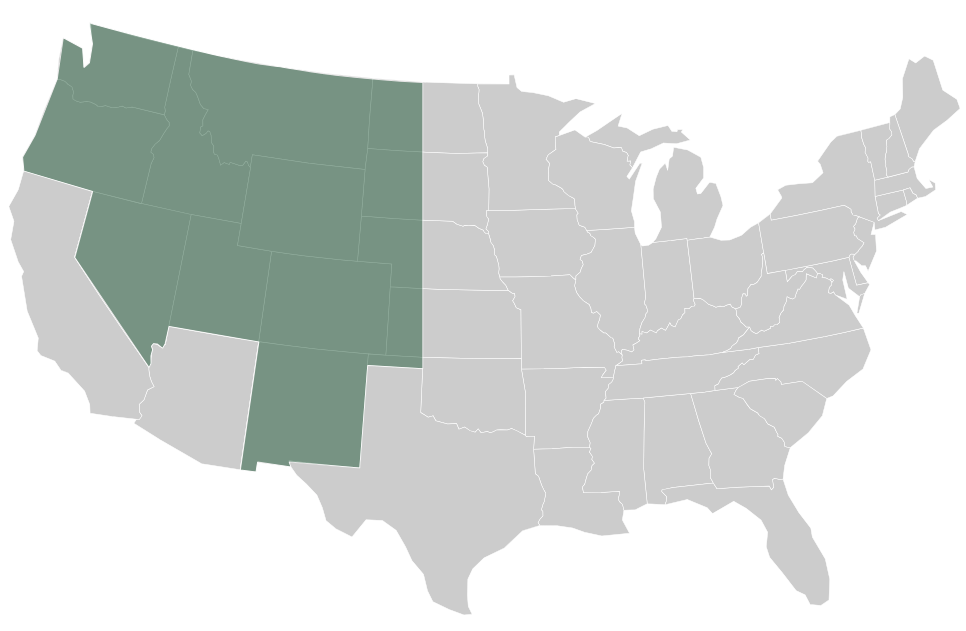
Western region milkweed species
States include Washington, Oregon, Nevada, Idaho, Montana, Wyoming, Utah, Colorado, New Mexico as well as western North Dakota, western South Dakota, western Nebraska, and western Kansas, and the Oklahoma panhandle.
Common Name: Mexican Whorled Milkweed
Scientific Name: Asclepias fascicularis
Ground Features: Dry climates and plains, except CO, UT, NM, and AZ
Common Name: Showy Milkweed
Scientific Name: Asclepias speciosa
Ground Features: Savannahs and prairies
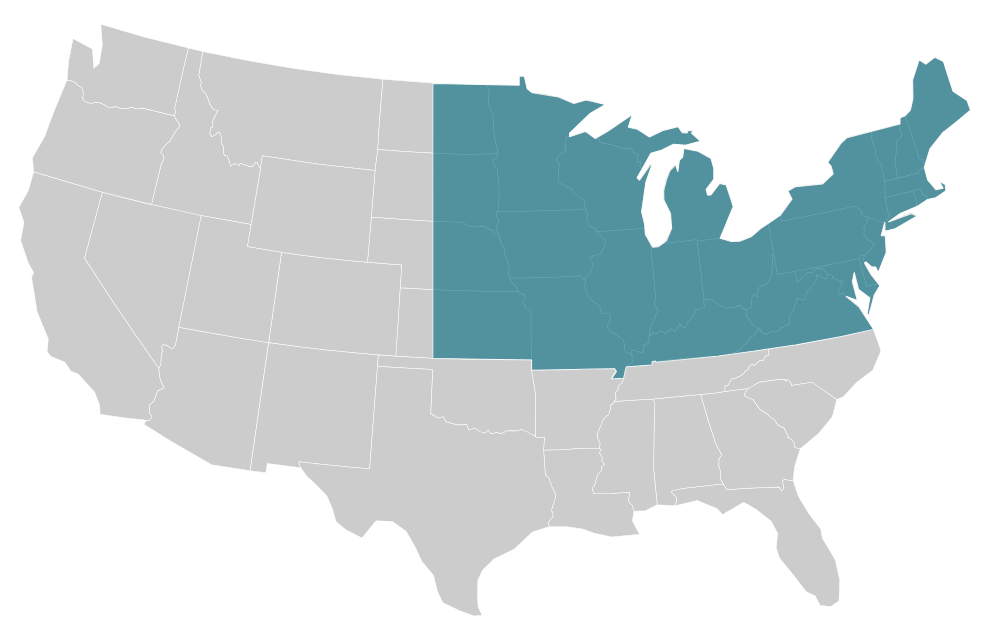
Northeast region milkweed species
States include Minnesota, Iowa, Missouri, Illinois, Wisconsin, Indiana, Ohio, Michigan, Kentucky, West Virginia, Virginia, Maryland, the District of Columbia, Delaware, Pennsylvania, New York, New Jersey, Connecticut, Massachusetts, Rhode Island, New Hampshire, Vermont, and Maine as well as eastern North Dakota, eastern South Dakota, eastern Nebraska, and eastern Kansas.
Common name: Common Milkweed
Scientific name: Asclepias syriaca
Ground features: Well-drained soil
Common name: Swamp Milkweed
Scientific name: Asclepias incarnata
Ground features: Damp, marshy areas
Common name: Butterfly Milkweed
Scientific name: Asclepias tuberosa
Ground features: Well-drained soil
Common name: Whorled Milkweed
Scientific name: Asclepias verticillata
Ground features: Prairies and open areas
Common name: Poke Milkweed
Scientific name: Asclepias exaltata
Ground features: Woodland areas
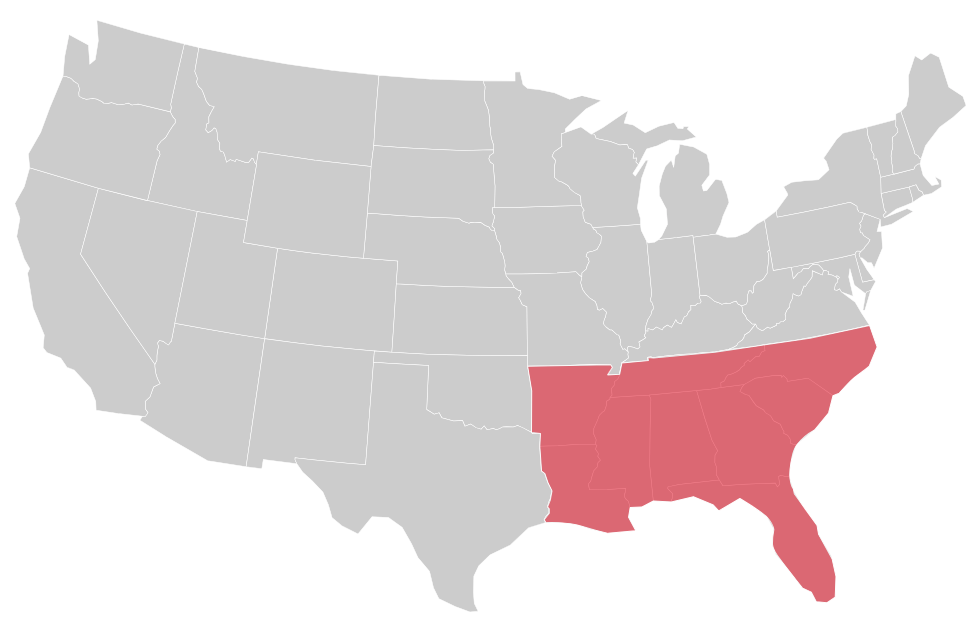
Southeast region milkweed species
States include Louisiana, Arkansas, Mississippi, Alabama, Tennessee, Georgia, Florida, South Carolina, and North Carolina.
Common name: Butterfly Weed
Scientific name: Asclepias tuberosa
Ground features: Well-drained soils
Common name: Whorled Milkweed
Scientific name: Asclepias verticillata
Ground features: Prairies and open areas
Common name: White Milkweed
Scientific name: Asclepias variegata
Ground features: Thickets and woodlands
Common name: Aquatic Milkweed
Scientific name: Asclepias perennis
Ground features: Hydrated soils
Common name: Sandhill/Pinewoods Milkweed
Scientific name: Asclepias humistrata
Ground features: Dry sandy areas and soils, Florida
South-central region milkweed species
States include Texas and Oklahoma excluding the panhandle.
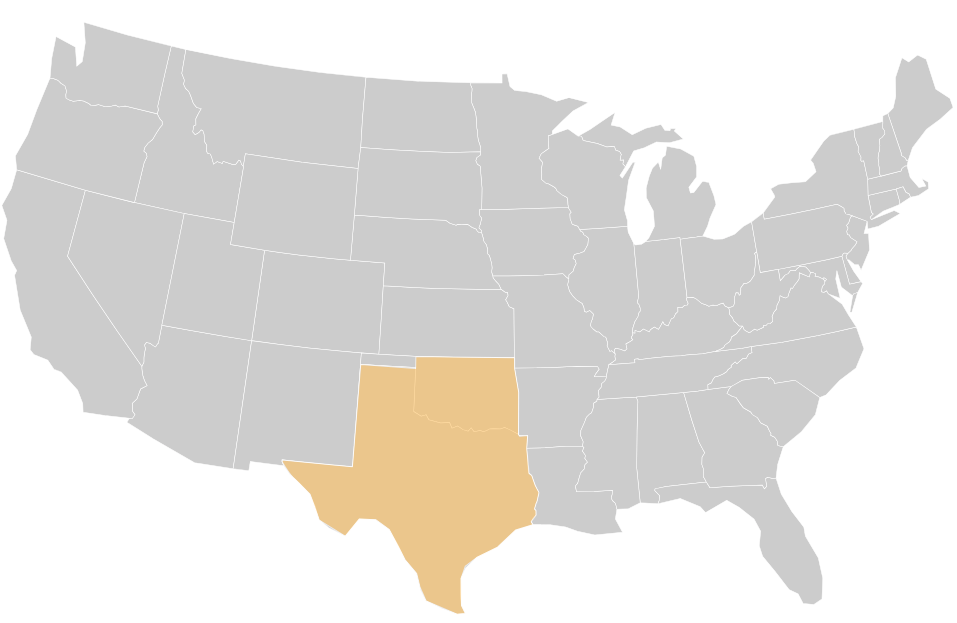
Common name: Green Antelopehorn Milkweed
Scientific name: Asclepias viridis
Ground features: Dry and prairie areas
Common name: Antelopehorns Milkweed
Scientific name: Asclepias asperula
Ground features: Desert and sandy areas
Common name: Zizotes Milkweed
Scientific name: Asclepias oenotheroides
Ground features: Sandy/rocky prairies and fields
Arizona milkweed species
Wildflower species you can find in Arizona.
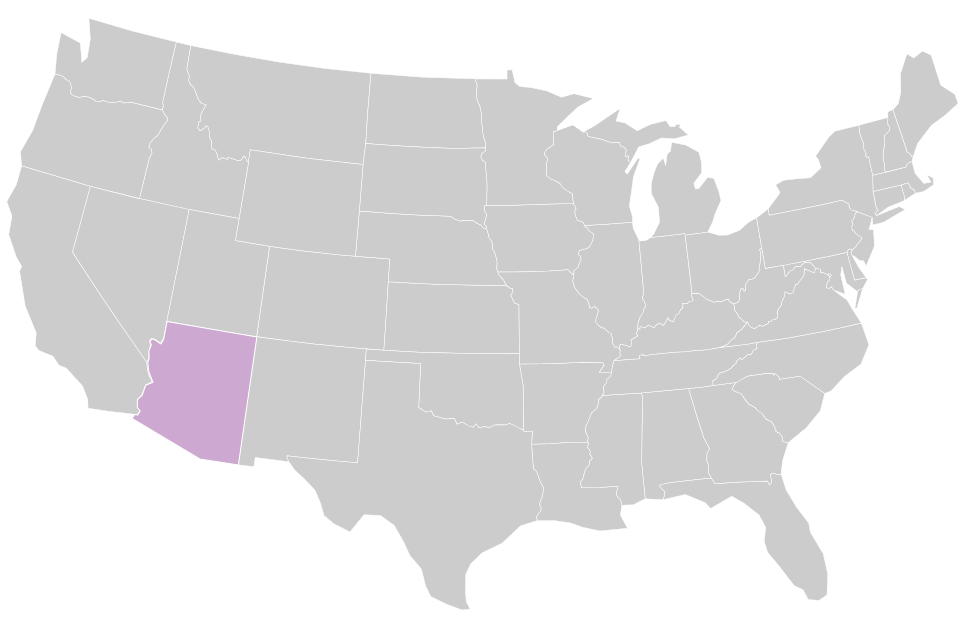
Common name: Butterfly Milkweed
Scientific name: Asclepias tuberosa
Ground features: Well-drained soils
Common name: Antelopehorns Milkweed
Scientific name: Asclepias asperula
Ground features: Desert and sandy areas
Common name: Rush Milkweed
Scientific name: Asclepias subulata
Ground features: Desert areas
Common name: Arizona Milkweed
Scientific name: Asclepias angustifolia
Ground features: Riparian areas and canyons
California Milkweed Species
Wildflower species you can find in California.
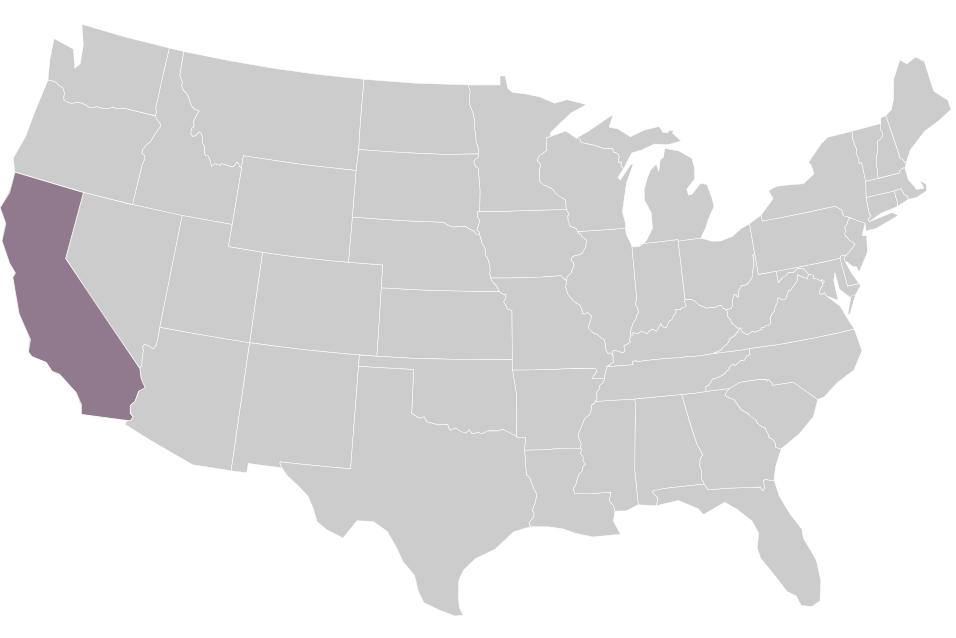
Common name: Mexican Whorled Milkweed
Scientific names: Asclepias fascicularis
Ground features: Dry climate and plains
Common name: Showy Milkweed
Scientific names: Asclepias speciosa
Ground features: Savannahs and prairies
Common name: Desert Milkweed
Scientific names: Asclepias erosa
Ground features: Desert regions
Common name: California Milkweed
Scientific names: Asclepias californica
Ground features: Grassy areas
Common name: Heartleaf Milkweed
Scientific names: Asclepias cordifolia
Ground features: Rocky slopes
Common name: Woolly Milkweed
Scientific names: Asclepias vestita
Ground features: Dry deserts and plains
Common name: Woolly Pod Milkweed
Scientific names: Asclepias eriocarpa
Ground features: Clay soils and dry areas
Find your milkweed
Find a nursery or other plant retailer in your area with the right kinds of milkweed, or buy milkweed directly from Monarch Watch. To help as many monarchs as possible, plant a variety of milkweed, as well as other plants that provide adult monarchs with nectar. For example, choose plants that bloom at different times of the year to help monarchs as they fly south at the end of summer and north in the spring as they return to their breeding grounds in the US and Canada.
Plant your milkweed
The plants should come with instructions. If not, check out these tips to make the most of your monarch waystation. For example, make sure your milkweed is planted in as much sunlight as possible and shield it from wind.
Beyond milkweed: Five native plants that help power monarch migrations
While milkweed is the only food source for monarch caterpillars, adult butterflies rely on the nectar of many flowering plants to make their incredible migration, particularly at the end of the blooming season in the fall. See what you can plant now to help them on their journey.

© WWF-US / WWFGifts
Adopt a monarch butterfly
Support WWF’s global efforts to protect wild animals and their habitats and choose from kits with plush and more.