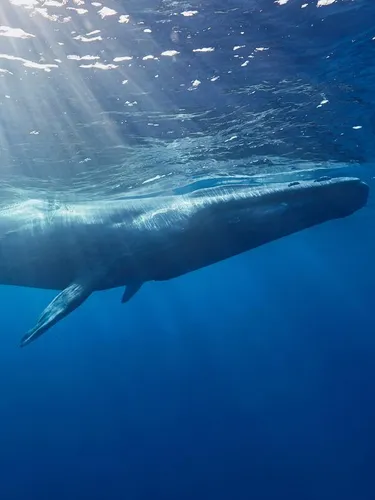
© Shutterstock / Ajit S N / WWF
Blue whales
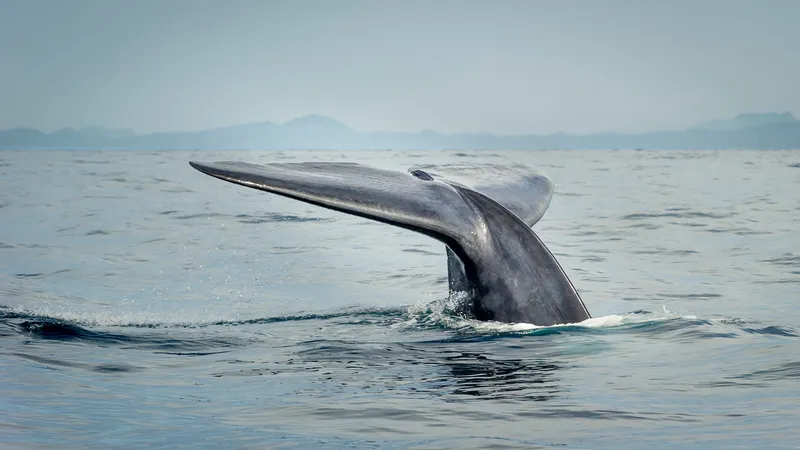
The blue whale is the largest animal on the planet, weighing as much as 200 tons (approximately 33 elephants). The blue whale has a heart the size of a Volkswagen Beetle. Its stomach can hold one ton of krill and it needs to eat about four tons of krill each day. They are the loudest animals on Earth and are even louder than a jet engine. Their calls reach 188 decibels, while a jet reaches 140 decibels. Their low frequency whistle can be heard for hundreds of miles and is probably used to attract other blue whales.
Blue whale facts
- Status View status categories and descriptions
- Endangered
- Population
- 10,000–25,000
- Scientific name
- Balaenoptera musculus
- Weight
- About 200 tons
- Length
- 80–100 ft.
- Habitats
- Oceans
News and stories
Why blue whales matter
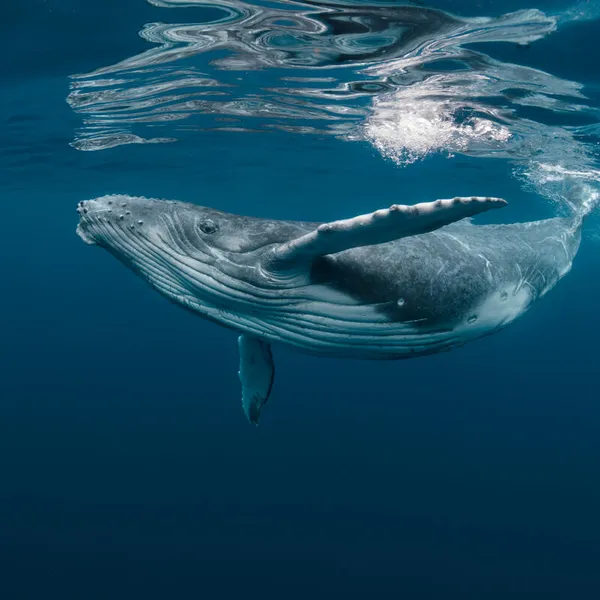
© Richard Barrett / WWF-UK
Whales are at the top of the food chain and have an important role in the overall health of the marine environment. During the 20th century, the blue whale was an important whaling target and even after it was protected and commercial whaling stopped in 1966, exploitation efforts by the former Soviet Union persisted.
Threats to blue whales

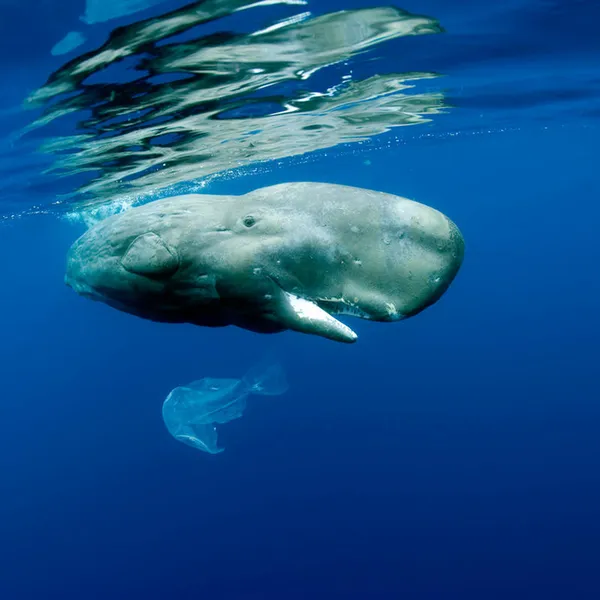
© naturepl.com / Alex Mustard / WWF
Like other large whales, blue whales are threatened by environmental change including habitat loss and toxics. Blue whales can also be harmed by ship strikes and by becoming entangled in fishing gear. Although commercial whaling no longer represents a threat, climate change and its impact on krill (shrimp-like crustaceans), blue whales' major prey, makes this cetacean particularly vulnerable.
How WWF is taking action to protect blue whales

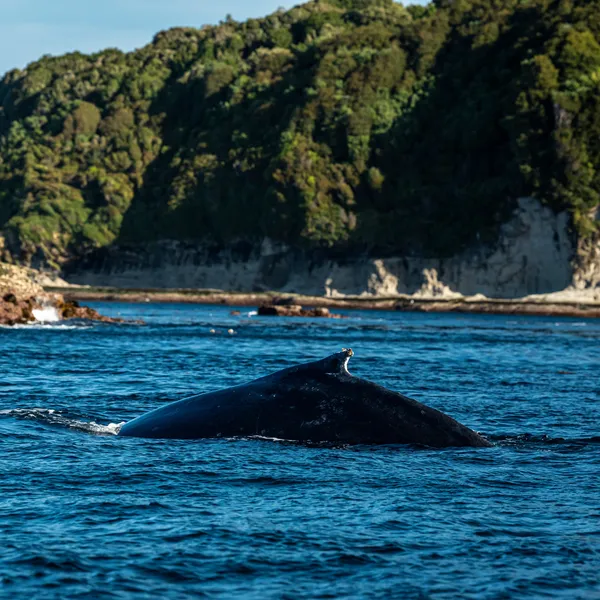
© Gustavo Ybarra / WWF-Canon
Satellite tracking
Southern Chile’s Gulf of Corcovado is an important feeding area for blue whales. However it is also home to the country’s abundant salmon farms and utilized by artisanal and industrial fisheries. Collectively they create multiple threats to whales, from marine debris to bycatch to vessel strikes. WWF is using satellite tags to see what specific routes are used by the whales and which areas are used the most often. This information will help inform decisions about protected areas, to prevent interactions between whales and salmon farms or wild-caught fisheries.
Protecting through policy
The International Whaling Commission (IWC) is the body charged with regulating whaling and addressing the vast number of other threats to whales, dolphins and porpoises in our oceans such as shipping, climate change, and bycatch. WWF works to make the IWC more effective in reducing all these threats to whales.
Experts
How you can help
© George Walsh
Strengthen the Endangered Species Act
More than 99% of the species listed under the Endangered Species Act have avoided extinction due to the law’s protections. Today, those protections are under threat — at the exact moment wildlife needs them most.