© _
Hector's dolphins
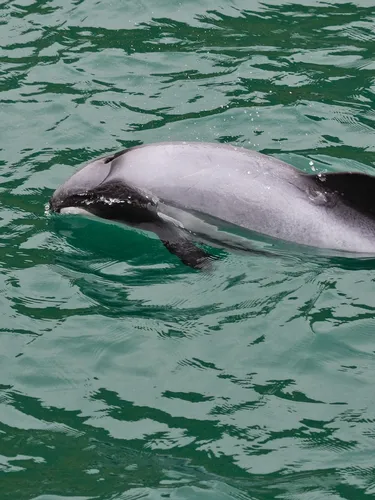
Hector’s dolphins are the smallest and rarest marine dolphins in the world. They have distinct black facial markings, short stocky bodies, and a dorsal fin shaped like a Mickey Mouse ear. There is a subspecies of Hector’s dolphin known as Maui’s dolphin that is critically endangered and estimated to have a population of only 55. They are found only in the shallow coastal waters along the western shores of New Zealand’s North Island.
Hector’s and Maui’s dolphins only live in New Zealand’s shallow coastal waters. They are both at risk of becoming extinct.
At a glance
- Status Learn more about endangered status categories and explanation
- Endangered
- Population
- About 7,000
- Scientific name
- Cephalorhynchus hectori
- Weight
- Up to 110 lbs.
- Length
- 4 ft.
- Habitats
- Oceans
Threats to Hector's dolphins

© Stephen Dawson / WWF-Canon
Living close to shore is a problem for the dolphins. Bycatch—becoming tangled in recreational and commercial gill and trawl nets—is the biggest threat they face. Gillnets, for example, are made of a fine mesh that dolphins are unable to detect underwater, and they accidentally swim into them and become caught. Other threats include being struck by boats, pollution in their habitat, coastal development, and seabed mining.
How WWF is taking action to protect Hector's dolphins
WWF works to end gill net use and trawling in Hector’s and Maui’s dolphin habitat. After the 2012 International Whaling Commission meeting, New Zealand agreed to ban gillnets in a portion of Maui’s dolphin habitat. This is a positive step, but a ban throughout the dolphin’s entire range is needed to ensure their survival. WWF is urging New Zealand Prime Minister John Key to protect the last remaining Maui’s dolphins by prohibiting dangerous fishing gear from their habitat, safeguarding the region from sand mining and the threat of oil and gas exploration, and establishing a protected ocean corridor.
Experts
How you can help
© WWF-US / WWFGifts
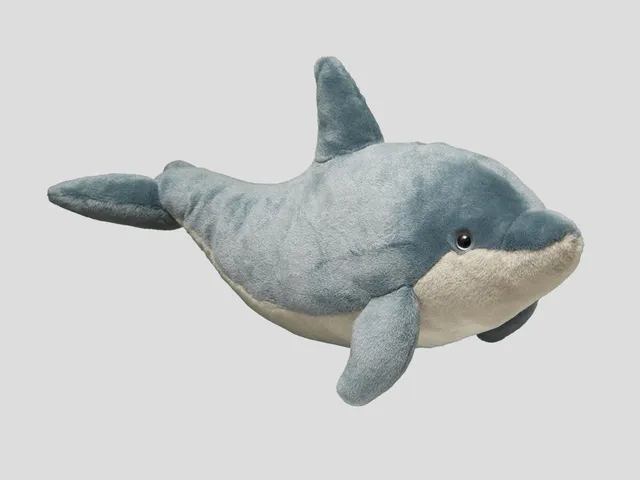
Adopt a dolphin
Support WWF’s global efforts to protect wild animals and their habitats and choose from kits with plush and more.