
© Clay Bolt / WWF-US | Diane Hargreaves
Swift foxes
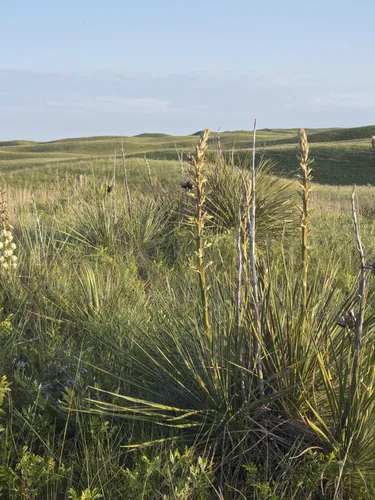
Although historically common and widely distributed in short- and mixed-grass prairies of the Great Plains, swift foxes have experienced significant population declines and are now estimated to occupy less than half of their historic range in the United States. In the face of this enormous decline, a multi-stakeholder, comprehensive approach is required to restore swift fox populations across the Northern Great Plains and beyond. Collaboration among tribal communities, universities, conservation organizations, state and government agencies, and private landowners is essential for the swift fox to make a viable comeback.
At a glance
- Status Learn more about endangered status categories and explanation
- Least concern
- Scientific name
- Vulpes velox
- Weight
- 5–7 lbs.
- Height
- 12 in.
- Length
- 23–34 in.
- Habitats
- Short- and mixed-grass prairies
News and stories
Why swift foxes matter
© Diane Hargreaves
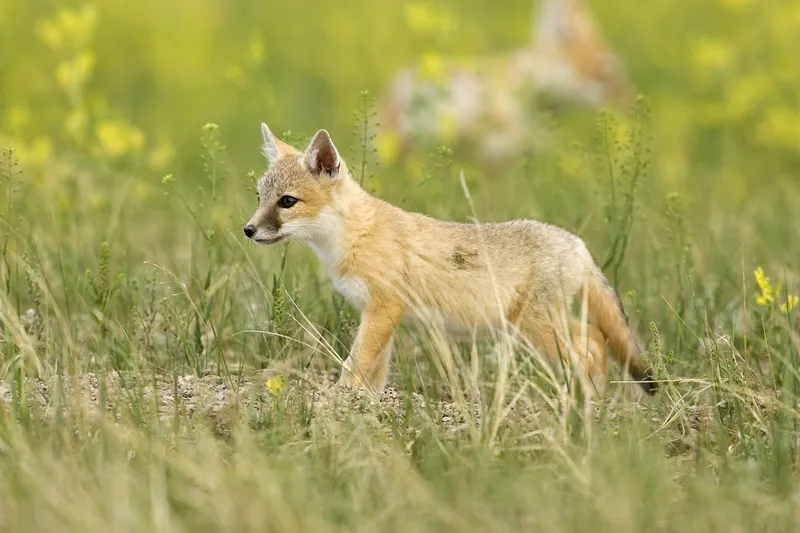
Where present, swift foxes are indicators an intact grassland ecosystem. Conserving habitat for and populations of swift foxes benefits other wildlife species that share similar habitat, such as prairie dogs, ground squirrels, and grassland birds.
Threats to swift foxes

© Diane Hargreaves
Current threats to swift foxes include a lack of suitable habitat, predation by coyotes, and vehicle collisions.
How WWF is taking action to protect swift foxes

© naturepl.com / Gerrit Vyn / WWF
To ensure the long-term survival and stability of swift fox populations range-wide, WWF works with a diverse group of stakeholders on three priorities:
- Determining the current swift fox distribution in the Northern Great Plains.
- Monitoring the status of swift fox populations in the Northern Great Plains.
- Identifying areas for potential reintroductions to connect swift fox populations.
Experts
How you can help
© George Walsh
Strengthen the Endangered Species Act
More than 99% of the species listed under the Endangered Species Act have avoided extinction due to the law’s protections. Today, those protections are under threat — at the exact moment wildlife needs them most.