WWF's Payal Luthra on making fashion a force for good
By
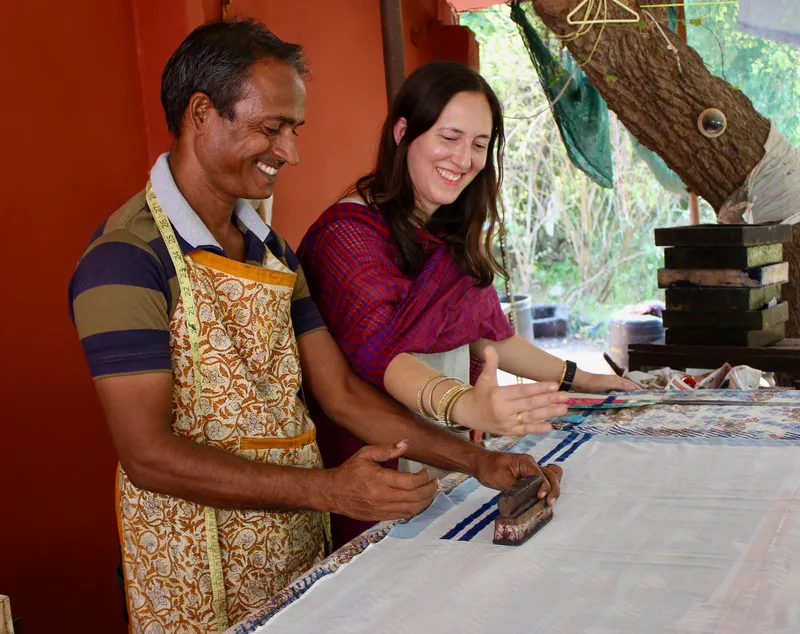
© COURTESY OF PAYAL LUTHRA
Ethical style
My journey into design began with architecture and planning, where I was especially drawn to participatory design, which is an inclusive way of working with communities to meet their needs. This approach continued into my slow fashion* brand, where I sought to create modern, timeless garments that were ethically sourced and celebrated artisan craft.
Donning a new hat
The first fabric I worked with was Mongolian cashmere—a beautiful, luxury fiber sourced from goats native to the region. I soon discovered that unsustainable demand was leading to overgrazing, land degradation, and wildlife habitat loss, while pushing herders away from traditional practices. This deepened my understanding of how practices around material cultivation and manufacturing can harm nature, inspiring me to enhance my brand’s sustainability efforts and change its mission to support nature conservation. Over time, I transitioned away from design to focus on the systemic changes needed in the industry. That’s what brought me to WWF.
Collective action
One of my main goals is to push for collective action across environmental initiatives including freshwater and nature conservation. This means collaborating with other NGOs, with the public and private sectors, and across industries to bring everyone together with the common goal of sustainability. With limited time, funding, and resources, collective action is critical to achieving meaningful change.
Holistic work
WWF works with the apparel and textile sector due to its outsized environmental impact. Many apparel-producing regions are biodiversity hotspots facing threats like water pollution, soil degradation, and resource depletion. We support cotton farmers in India, Pakistan, and Türkiye to adopt sustainable practices for water and soil management. In countries like Pakistan, Viet Nam, and China, we help suppliers implement cleaner production and chemical management practices. We also guide brand partners on their sustainability policies and practices.
Fashion forward
Fashion is incredibly influential—it’s tied to people’s self-expression and identity. Instead of using that influence to get people to buy more, what if it encouraged them to reimagine what they value? When people understand the connection between fashion and nature, they behave differently. It becomes less about quantity, and more about investing in long-lasting, ethically made pieces that they can wear for years. There’s a lot of power in that, and WWF is invested in shaping that story so people and nature can both benefit.
* Slow fashion prioritizes quality and durability over trends and low prices.
© Andy Rouse / naturepl.com / WWF
Explore more
Keep reading this issue of World Wildlife magazine