Marilyn Maxwell on using art to inspire conservation support

© MARILYN MAXWELL
What inspired your love of African wildlife?
When I was very young, I was fascinated by the fables in Rudyard Kipling’s Just So Stories about African animals. When my dad took me to the zoo, I realized those animals were real, and I was awestruck. In 2013, I traveled to Tanzania, and my heart broke when I discovered they are threatened by habitat loss, poaching, and human-wildlife conflict. That experience made me want to dedicate my photography to helping protect them.
Tell us about your art.
I photograph in black and white because it has a timeless quality—each photo could be from any point in time. I use a converted infrared camera, which gives these images striking qualities—strong contrast and almost glowing vegetation. To me, the approach suits the subject perfectly. When I’m photographing, I feel energized and focused—I want that energy to come through in each print so the viewer pauses, looks, and feels a genuine connection to the animal and its habitat.
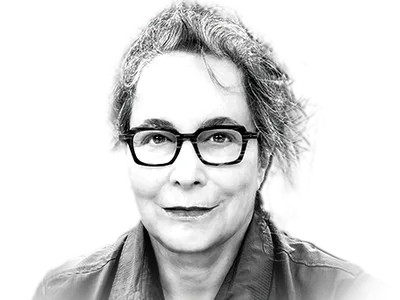
© Courtesy of Marilyn Maxwell
Marilyn Maxwell, a WWF Leadership Partner, is a fine art photographer in Santa Fe, New Mexico. A trip to Africa in the late 1990s sparked her passion for photography. Through her art, she celebrates the beauty of African wildlife and landscapes—and calls attention to the urgent need for conservation.
During a trip to Zimbabwe, I was lucky to spend a morning with two cheetah brothers. They took turns climbing trees, looking for breakfast. When one was in the tree scanning the landscape, the other rested in the shade. I was able to capture one of them looking straight into the camera from the tree—an image that, to me, conveys his spirit and presence.
What do you hope for the future?
My photographs are both a tribute to these animals and a call to action. I hope they touch people’s hearts and inspire them to support conservation projects—like those that WWF undertakes with its partners and communities—while there is still time. Humans are the only stewards planet Earth has. Nature cannot save itself. It needs us.
Nature needs partners
WWF Leadership Partners include passionate supporters who are committed to building a better future for people, wildlife, and our planet—and who make an annual gift of $10,000 or more to WWF.
© Paul Robinson
© Sarah Mosquera / WWF-US
Explore more
Keep reading this issue of World Wildlife magazine