Washington State Representative Liz Berry tackles the plastic pollution problem
Why is plastic pollution an issue you care about?
As a mom of two young children, I think about the world my kids are inheriting. Years ago, I learned that PFAS—called “forever chemicals” because they stay in the environment indefinitely—were showing up in breast milk. That drove me to propose my first bill, which sped up the state’s regulation of those toxins. Now, microplastics are appearing in our food, water, wildlife—and even our bodies. That’s alarming, and it’s unacceptable. People deserve protection from the very real dangers of plastic pollution.
How can Extended Producer Responsibility (EPR) help curb pollution?
EPR flips the system on its head. Today, families and local governments foot the bill for recycling. Instead, EPR requires that the companies that design and profit from plastic packaging also manage it at the end of its life. It’s a fairer system—one that takes the burden off consumers already trying their best.
© LSS Photo
HOME Seattle, Washington
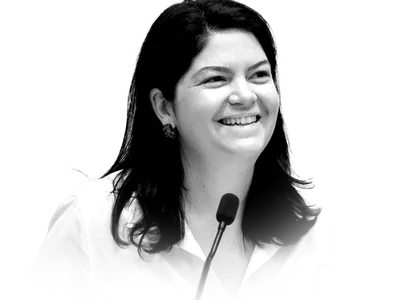
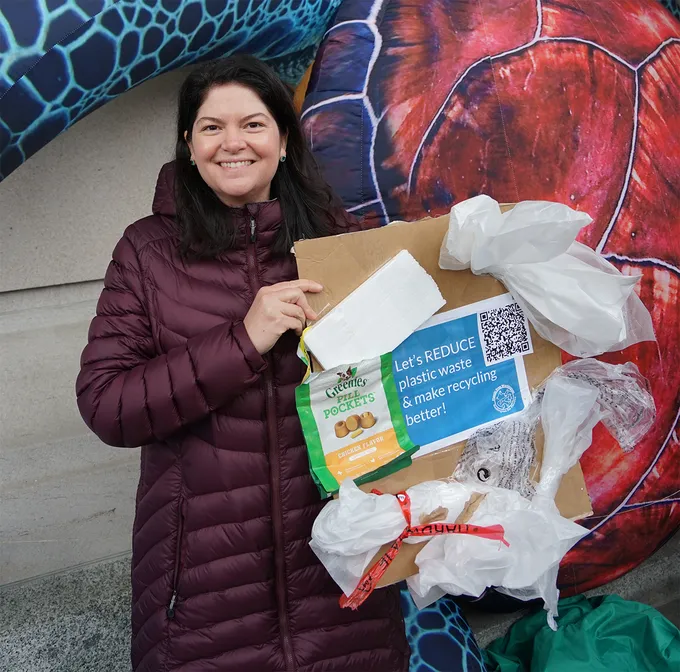
BIO Liz Berry represents Washington’s 36th Legislative District and sponsored the state’s landmark Recycling Reform Act. Passed in early 2025 with WWF support, the bill will expand and improve curbside recycling while ensuring that plastic producers are responsible for the plastic packaging they create. As chair of the Labor and Workplace Standards Committee and member of the Environment and Energy and Transportation committees, Berry also champions policies that protect families, address climate change, and foster safer, more sustainable communities.
Implementing recycling reforms isn’t easy. How did you push for change?
I just didn’t give up. Some moments were hard—after one bad setback a few years ago, my team and I felt deflated. But I took time to reflect, rest, and recharge, and then got right back into the process. By the time we returned to the table, lawmakers saw the effort we’d put into listening to every perspective and working through the issues. That trust is what ultimately got the Recycling Reform Act across the finish line.
What do you hope will be different in 10 years?
I want all people across Washington—whether in the heart of Seattle or on a farm outside of Spokane—to enjoy consistent access to recycling. Every household will have free curbside service. Products will be created with less packaging, and people will know exactly what happens to the materials they recycle. Above all, the biggest impact will be healthier communities and a cleaner environment.
© REPRESENTATIVE LIZ BERRY
© ISTOCK.COM/BUZZANIMATION

© Sarah Mosquera / WWF-US
Explore more
Keep reading this issue of World Wildlife magazine